
 English
 русский
 Español
No. 200 Gaoxin RD, Shanghua St, Lanxi, Zhejiang, P. R China
The multiple sizes high precision rack pinion gear system is an essent...
See DetailsAn automatic gate can look simple enough from the outside, sliding open with barely a sound, but its movement actually depends on several parts working together behind the scenes. When a gate moves unevenly, makes an unusual grinding contact, or stops short before reaching its intended position, the problem often traces back to the alignment of the gear rack rather than the motor everyone tends to blame first. For installers and gate system designers, understanding rack position can make a genuinely noticeable difference during assembly and every day of operation afterward.
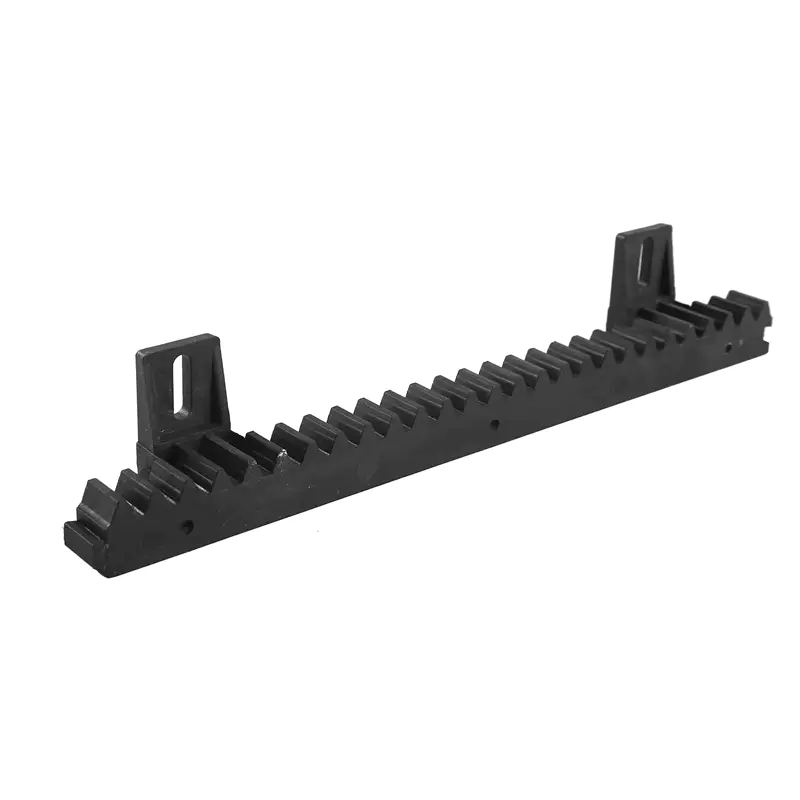
The gear rack provides the path through which rotational movement gets transferred to the gate itself. Its position, connection points, and relationship with the drive gear all shape how that movement actually travels along the length of the gate. A rack that isn't properly aligned can create uneven contact, unnecessary resistance, or shifting movement characteristics as the gate rolls from one end to the other. These issues make alignment a real part of automatic gate installation, not some minor finishing touch left for the end of the job.
Gear rack alignment matters because the rack and drive gear need to maintain a suitable relationship throughout the entire travel of the gate, not just at the starting point. If the rack shifts position somewhere along that path, the gear engages differently from one section to the next. The gate then feels less consistent every time it opens or closes, sometimes catching slightly or speeding up in one spot.
The rack should follow the gate structure in a controlled, even manner from end to end. Its connection points need to hold that position firmly without allowing unnecessary drift or wobble over time. When installers treat the rack as part of the gate's actual moving system, rather than just an accessory bolted onto the frame afterward, potential problems become a lot easier to spot before they turn into a service call.
Several areas deserve attention during installation:
| Alignment AreaInstallation Concern | |
|---|---|
| Rack levelness | Helps maintain a consistent position along the gate |
| Connection points | Keep the rack attached to the gate structure |
| Rack spacing | Maintains the intended relationship with the drive gear |
| Gate frame | Provides the supporting structure |
| Drive gear position | Needs to correspond with the rack location |
A suitable installation never depends on one single adjustment done well. The gate frame, rack, drive unit, and supporting hardware all shape how the whole system actually behaves once it's running.
Rack levelness shapes how the drive gear makes contact with the rack throughout movement. When the rack rises or dips noticeably along the gate's length, the relationship between the two components starts to change from section to section. This can produce genuinely different movement characteristics at different points of the opening cycle, something homeowners often describe as the gate "sticking" partway through.
A level rack gives the drive system a far more consistent path to follow from start to finish. It also makes installation easier to verify, since the rack position can get compared visually along the entire length of the gate. Small differences that seem trivial up close can become a lot more noticeable once the gate travels the full distance from one end to another.
Installers can inspect the rack before ever connecting the drive system to it. Sighting down the length of the rack can reveal visible dips or rises in height that aren't obvious from a single angle. Checking the mounting points also shows whether one section is quietly pulling away from the gate structure under its own weight.
The goal isn't forcing every part into some rigid, forced position without regard for the actual gate underneath it. The rack should follow a stable mounting path that genuinely suits the gate structure it's attached to, letting the drive gear engage naturally without extra force.
Connection positions determine how the rack gets supported along the full length of the gate. If one section sits firmly bolted down while another has more freedom to shift, the rack may not maintain the same relationship with the drive gear once the gate starts moving regularly.
This kind of issue often develops gradually rather than appearing all at once. A gate may run smoothly during an initial inspection, while repeated daily movement can expose a section that slowly shifts out of position. Loose mounting points can also allow regular vibration to move the rack little by little.
A practical installation review can focus on:
The connection method also needs to suit the rack material chosen for the job. Gate Rack Nylon products, for instance, often get considered when the application calls for a lighter rack structure and more practical installation handling on site. The rack still needs proper support regardless, since material choice alone can't fix a mounting position that was never quite right to begin with.
For suppliers and installers, the connection area becomes part of the overall rack design conversation. A well-chosen rack can still perform poorly on the gate if its attachment method doesn't genuinely suit the structure it's bolted to.
The rack and drive gear work as a matched pair, not two independent parts that happen to sit near each other. The gear turns, its teeth engage with the rack, and that engagement transfers the motion into the gate's actual movement. If their relative positions shift during travel, the whole movement can feel noticeably less consistent to anyone watching the gate operate.
Gear meshing depends entirely on the rack staying in a suitable position throughout. Too much separation reduces the intended contact between the two components, sometimes causing a faint clicking sound. Excessive contact, on the other hand, creates unnecessary resistance that can wear down teeth faster than expected. The practical goal stays simple: maintain a stable relationship throughout the entire travel of the gate.
This is exactly why rack installation should get checked across the full travel path, not just eyeballed at a single spot near the motor.
A simple inspection involves moving the gate slowly by hand or at reduced speed while watching the rack and drive gear closely. Changes in contact, an unusual grinding sound, or visible movement in the rack can signal that a particular section deserves a closer look before the gate goes into daily use.
| ObservationPossible Installation Area to Review | |
|---|---|
| Uneven movement | Rack position along the gate |
| Unusual contact | Relationship between rack and gear |
| Movement changes near joints | Rack connection positions |
| Increased resistance | Alignment and gate structure |
| Visible rack movement | Mounting support |
The drive unit shouldn't be expected to quietly compensate for an unstable rack position on its own. The mechanical relationship between the two needs consideration as one complete assembly, not two separate problems.
Rack material can shape how an installer physically handles the product on site, but alignment stays important no matter what material ends up on the gate. Different rack constructions carry different characteristics when they're cut, joined, mounted, or fine-tuned during installation.
Nylon racks often get valued for their handling characteristics in certain gate applications, particularly where weight matters. A Nylon Gear Rack Factory may produce racks meant for a range of different gate structures, which means buyers still need to think through how that specific rack will get installed on their actual project rather than assuming one size fits every gate.
Material selection should connect directly to the installation environment it's headed for. A rack might need to follow a long residential driveway gate, join across several sections on a commercial entrance, or work around an existing frame that wasn't originally designed for automation. The selected product should match that physical arrangement rather than getting picked purely by material type off a spec sheet.
The same logic applies to metal rack systems just as much. A Helical Gear Rack Factory may offer products built around different transmission arrangements entirely, but the rack still needs proper positioning and support once it actually arrives at the installation site.
For project buyers, this means rack selection and installation planning deserve consideration together from the start. A suitable product becomes a lot easier to work with when its physical characteristics genuinely match both the gate structure and the installation method planned for it.
Installation checks are more useful when carried out throughout the process rather than postponed until the gate is fully assembled and difficult to adjust. Checking the position along the way allows installers to address alignment issues before other components restrict access.
The gate frame should provide a stable reference point throughout the job. The rack can then get positioned along that structure while installers check its direction and relationship with the drive unit at each stage. Sections should meet cleanly, without creating a visible step or sudden kink in the rack's overall path.
A useful installation sequence may include the following stages.
Look closely for areas where the frame changes shape or shifts position along its length. These sections can affect how the rack ends up mounted later in the process.
Place the rack along the intended movement path and check its general level by eye before securing the final attachment. A quick visual check from one end can reveal obvious alignment issues early.
Attach the rack while keeping its position consistent along the entire gate. Avoid letting one section shift out of place while another gets bolted down first.
Wherever separate rack sections meet, check carefully that the connection doesn't create a sudden change in alignment or a visible bump.
Move the gate through its full operating path at least once and watch closely whether the rack and drive gear maintain a consistent relationship the entire way.
This process helps catch installation issues while they're still relatively easy and cheap to correct, well before the gate goes into regular daily use.
Alignment problems don't always show up as an immediate, obvious failure on day one. A gate can keep moving just fine while quietly placing uneven demands on the rack, drive gear, or supporting structure underneath. Over months of repeated movement, these small differences tend to become a lot more noticeable, sometimes showing up as an unexpected repair bill.
A rack that shifts slightly during operation can create inconsistent contact with the drive gear over time. A joint that sits even a little differently from its neighboring sections can also interrupt the smooth path of movement across the gate. The end result is often a gate that feels different at various points along its travel, something a homeowner might describe simply as the gate "not feeling right anymore."
Maintenance teams can fold rack alignment checks into their routine inspection schedule as a matter of course. They don't need to wait for an obvious operating problem before taking a closer look at the installation itself.
Useful checks include the following.
These checks matter especially for gates that operate frequently, like a commercial loading entrance opening dozens of times a day. Regular observation helps catch small installation changes before they turn into something a lot more disruptive to daily operations.
Automatic gates get used across genuinely different environments, and their physical layouts aren't remotely identical from one job to the next. A residential sliding gate typically has a different frame arrangement than a commercial entrance handling delivery trucks, or an industrial access gate built around heavier equipment. The rack needs to fit that structure, rather than forcing the structure to accommodate a component that was never quite right for the job.
Rack length, section arrangement, connection method, and material all shape installation planning from the earliest stage. The drive unit also needs to sit in a practical position relative to the rack itself. Space around the gate deserves consideration too, so installers can actually reach the relevant components during both assembly and any future maintenance visit.
| Gate SituationRack Installation Focus | |
|---|---|
| Residential sliding gate | Compact positioning and clean attachment |
| Commercial entrance | Stable connection across the gate |
| Industrial access gate | Consistent support along the travel path |
| Replacement project | Compatibility with the existing frame |
| Multi-section gate | Careful attention to rack joints |
This is exactly where communication between manufacturers, suppliers, and installers earns its keep. A Nylon Gear Rack Factory can provide product information tied to installation and application, while installers on the ground assess whether that rack genuinely matches the actual gate structure they're working with.
The same holds true when working with products from a Helical Gear Rack Factory. Product selection should stay connected with the drive arrangement, gate structure, and intended installation method, rather than getting treated as some standalone purchasing decision made months before installation even begins.
Good planning also makes future replacement work a lot easier down the line. When the rack position gets clearly documented from the start, maintenance workers have a genuinely practical reference point when checking an existing system or installing a replacement section years later.
The rack and drive unit remain closely connected within the system, so their positions should be planned together rather than handled separately. Installing the drive unit without considering the full rack path can leave little room for adjustment after everything has been secured.
The drive gear needs to reach the rack at a suitable position throughout the gate's entire travel, not just near the motor housing. If the rack has already gotten fixed too high, too low, or too far from the intended drive position, correcting that problem later often means undoing and adjusting other parts of the installation that seemed finished.
Planning the relationship early on tends to simplify the whole job considerably.
The gate structure provides the physical path everything else follows. The rack follows that path along its length. The drive unit gets positioned to engage with the rack correctly. Supporting components then help keep all these relationships stable once the gate goes into daily operation.
This way of thinking shifts attention away from individual components in isolation and toward the complete gate movement as a whole system. Gate Rack Nylon, Nylon Gear Rack Factory, and Helical Gear Rack Factory may each describe different product and supply considerations on paper, but the practical installation question stays the same across all of them: can the selected rack maintain a suitable position within the actual automatic gate system it's installed on?
When installers pay attention to levelness, connection positions, gear contact, and the gate frame as one connected arrangement, rack alignment becomes part of the engineering process from day one, rather than an afterthought someone deals with once the gate starts acting up.
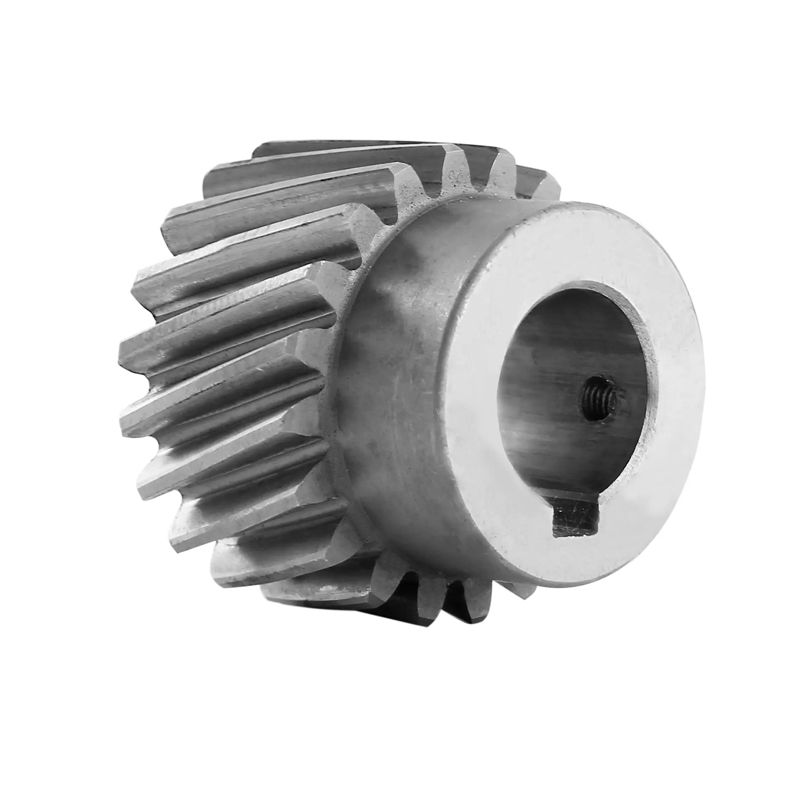
The multiple sizes high precision rack pinion gear system is an essent...
See Details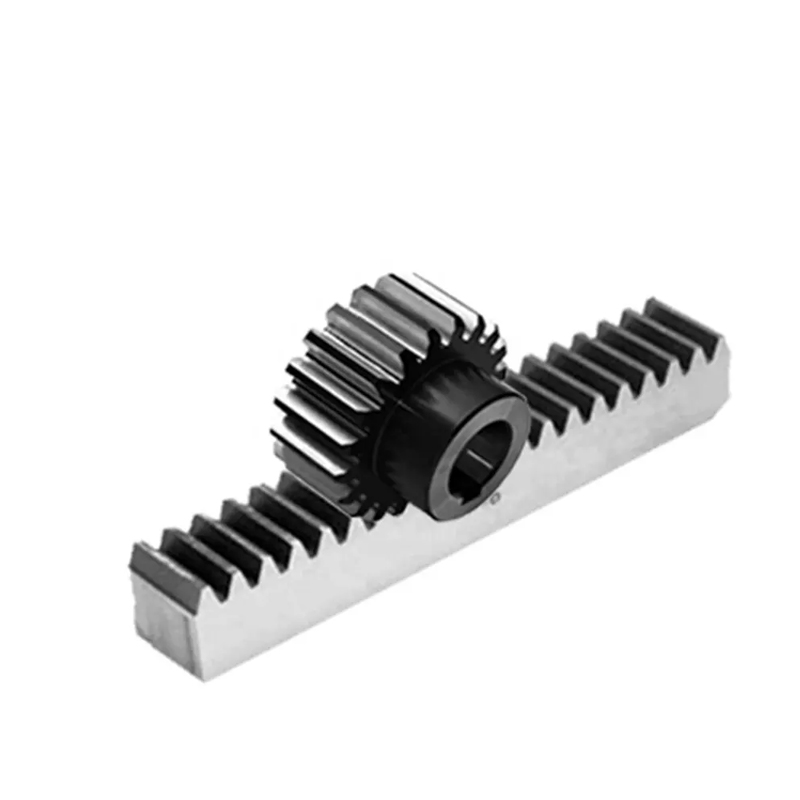
The Rack Pinion Gear for automatic door openers is a crucial component...
See Details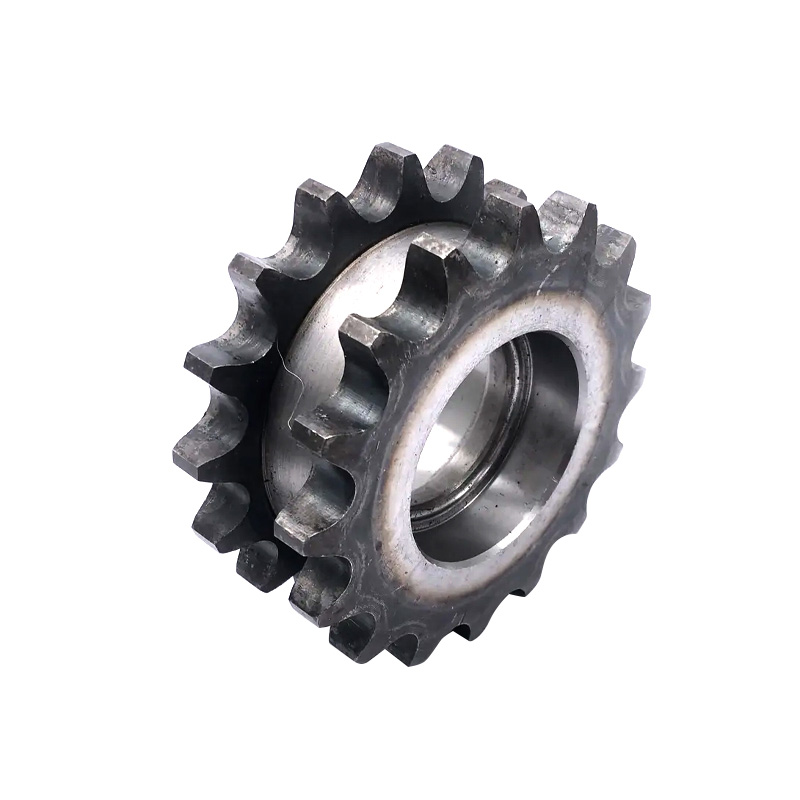
The Double Pitch Sprocket Rack Pinion Gear is a specialized mechanical...
See Details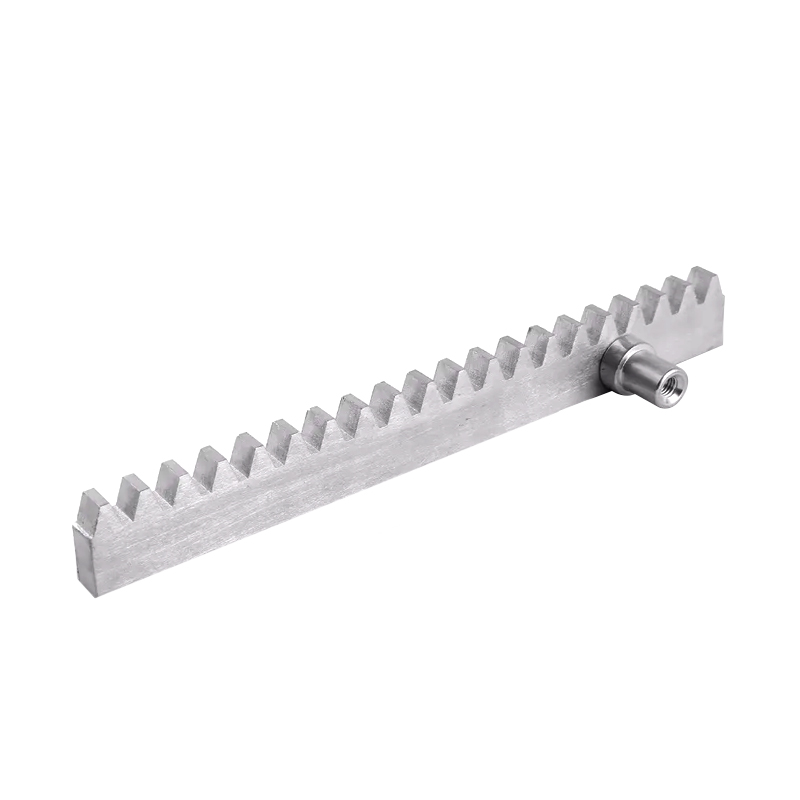
The Galvanized Sliding Door Steel Gear Rack is a robust and versatile ...
See Details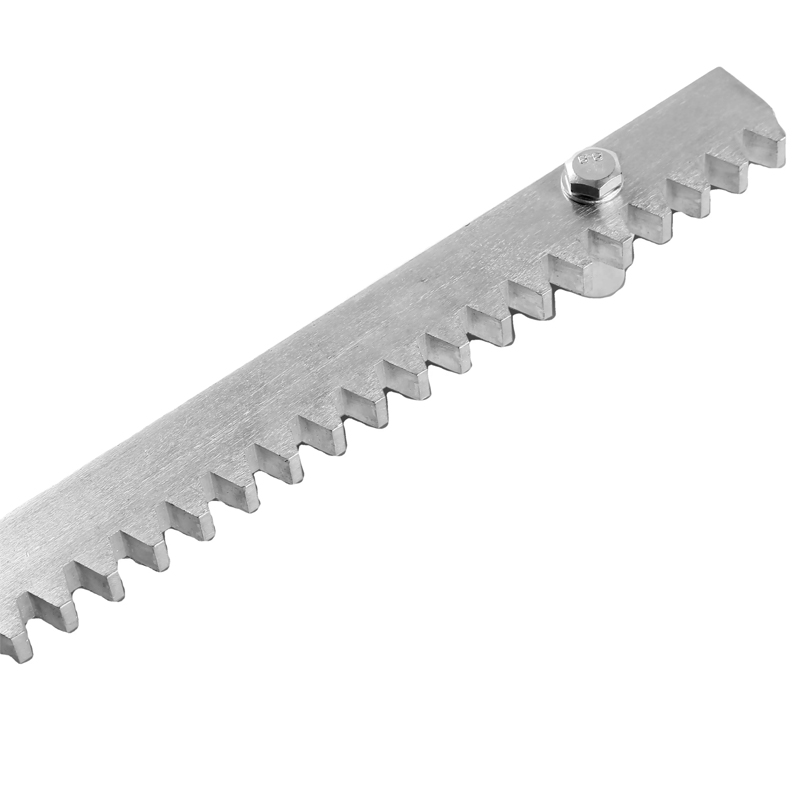
The Mounting Holes Sliding Door Steel Gear Rack is a critical componen...
See Details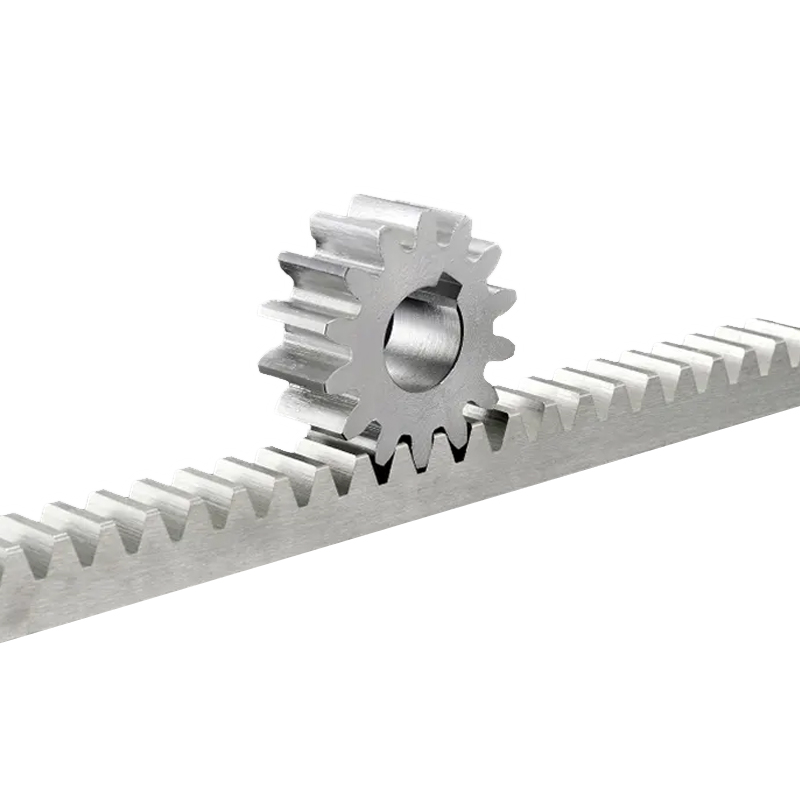
The stainless steel sliding door steel gear rack is an essential compo...
See Details
The Color Customization Sliding Door Steel Gear Rack is a highly funct...
See Details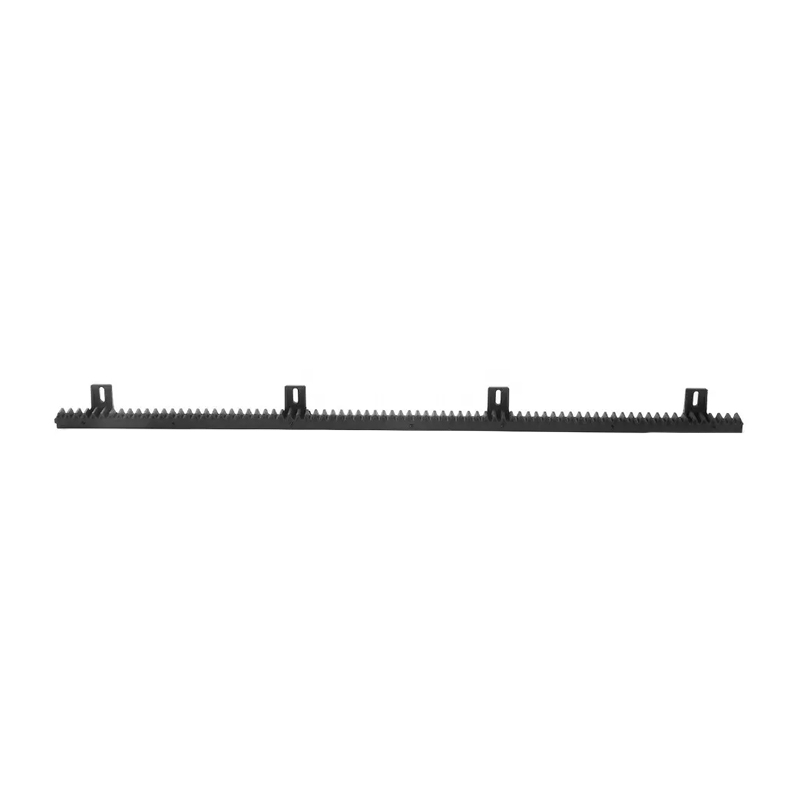
The Enhancement Sliding Door Nylon Gear Rack is designed for smooth, q...
See Details
