
 English
 русский
 Español
No. 200 Gaoxin RD, Shanghua St, Lanxi, Zhejiang, P. R China
CNC machine tools sliding doors rack pinion gear is a mechanical trans...
See DetailsGate drive systems are supposed to move without drawing attention to themselves, yet the sound they make while running often gets pushed aside during design. A gate can open and close dozens of times over the course of a normal day, and that repeated mechanical contact tends to make small noises stand out more the longer a system runs.
That reality has pushed equipment designers to look more closely at the materials and structures sitting inside gate control systems. A Nylon Gear Rack offers a different way of handling gear engagement compared with conventional metal components sitting side by side.
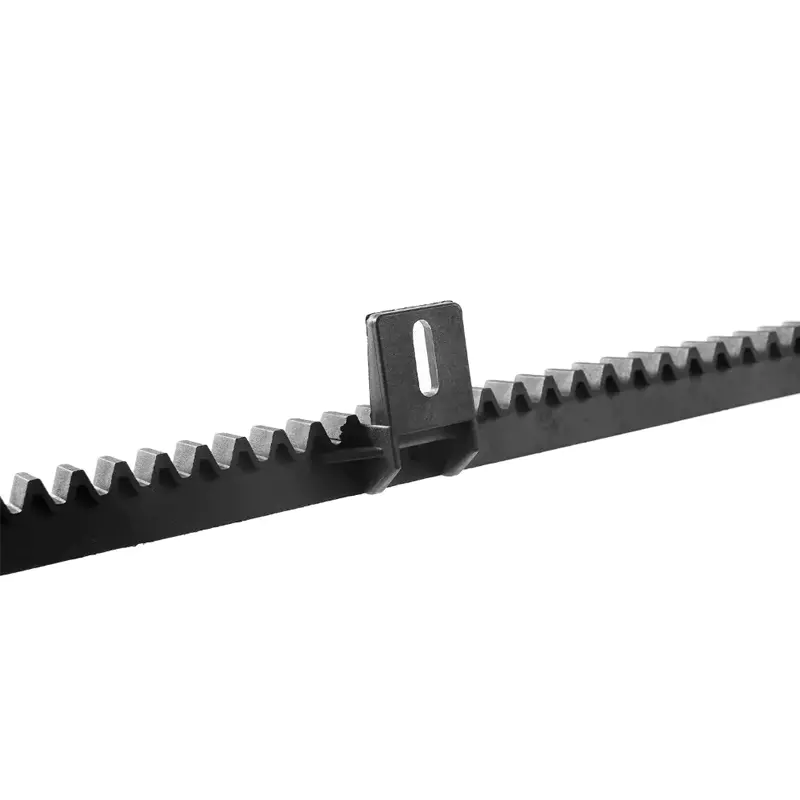
Its material behavior, tooth shape, and interaction with the drive gear all play into how sound builds up during movement. For a Nylon Gear Rack Factory, keeping noise down also ties back to manufacturing consistency, tooth geometry, material choice, and how the rack gets prepared for different gate setups.
Making a gate silent isn't really the point here. A more grounded goal is a smoother operating feel, paired with movement that still works properly, installation that stays practical, and a product that holds up over time.
Noise in a gate drive system can come from more than one place at once. The motor generates the movement, and gears carry that movement over to the rack and then to the gate itself.
As the teeth come together and pull apart, small shifts in contact can build up into vibration. The gate structure itself can then pick up some of that vibration and carry or even amplify parts of the sound.
| Noise Source | Possible Effect |
|---|---|
| Gear contact | Creates sound during tooth engagement |
| Vibration | Can transfer movement into the gate structure |
| Uneven contact | May produce irregular operating sounds |
| Loose components | Can create additional movement |
| Gate movement | May transmit sound through connected structures |
The environment around the gate also shapes how noticeable a sound turns out to be. A large metal gate, an enclosed entrance, or a narrow passage can all make mechanical sounds carry further than they would in an open space.
Noise control, then, isn't only about the motor sitting behind everything. The gear rack, the drive gear, the mounting structure, and the gate itself each play a part in the overall feel of the system. A change to one piece tends to ripple into how the rest of the assembly behaves.
Material choice has a direct bearing on how mechanical parts behave when they meet. Nylon generally carries a lighter, less rigid feel compared with many conventional metal gear materials sitting next to it.
When a Nylon Gear Rack meets a compatible drive gear, the material can soften some of the sharp contact sounds that show up when harder surfaces meet head-on. What actually happens depends on the gear system as a whole, but the material itself gives designers something worth weighing when operating noise matters to a project.
| Material Characteristic | Potential Design Benefit |
|---|---|
| Lighter construction | Can reduce unnecessary structural mass |
| Slight material flexibility | May soften contact behavior |
| Smooth surface | Supports consistent tooth interaction |
| Non-metal construction | Can change the character of operating sounds |
| Easy shaping | Allows different rack designs |
Nylon won't erase noise on its own. How the teeth are formed, the quality of the mating gear, where the rack sits once installed, and the condition of the gate all still matter a great deal.
Material is worth treating as one piece of a noise-control strategy, not the whole plan. For manufacturers, that opens a chance to think about sound early in rack development, rather than dealing with it as a complaint after the product is already assembled and shipped.
The teeth are the spot where the rack and drive gear actually touch. Their shape decides how the two parts meet, move together, and let go of each other again.
Irregular contact tends to make the movement feel rougher and can push the resulting sound closer to a rattle than a hum. A Nylon Gear Rack built with care can support steadier engagement once it's paired with a drive gear that suits it.
| Tooth Design Area | Noise-Related Consideration |
|---|---|
| Tooth shape | Influences how surfaces meet |
| Tooth spacing | Supports consistent engagement |
| Surface finish | Can affect contact smoothness |
| Rack alignment | Helps maintain stable tooth contact |
| Drive gear compatibility | Supports coordinated movement |
The rack shouldn't really be judged apart from the gear driving it. A tooth profile that works well with one gear arrangement might behave differently paired with another, which is why manufacturers need to look at the whole transmission relationship rather than one piece in isolation.
The goal is steering clear of sudden contact changes during normal gate movement. Smoother engagement tends to cut down on unnecessary vibration and keeps the sound of a gate opening and closing feeling consistent from one cycle to the next.
Noise doesn't come only from the rack and gear working together. The gate itself travels along a track or support structure, and wheels, guides, hinges, rollers, and other parts can each add their own sound to the mix.
A rack can run smoothly while some other part of the gate produces a noticeable rattle instead. Because of that, noise control needs to look at the entire movement path rather than stopping at the gear.
| Gate System Area | Possible Noise Factor |
|---|---|
| Gear rack | Tooth engagement |
| Drive gear | Contact with the rack |
| Gate rollers | Movement along the track |
| Guide structure | Vibration during travel |
| Mounting frame | Transfer of mechanical sound |
| Gate panel | May amplify vibration |
A Nylon Gear Rack can help smooth the connection between the motor and the gate, but it can't fix every source of sound on its own. The gate needs to move freely and stay properly seated within its intended structure.
A gate that's hard to move forces the drive system to work harder than it should, and that extra strain tends to show up as sound during operation. Manufacturers can improve how a system feels overall by treating the rack as one part of a full gate movement system rather than the whole story.
Even a well-suited material can end up noisy when parts aren't positioned correctly. If the rack sits unevenly against the drive gear, tooth contact can shift as the gate moves back and forth.
That shift can settle into a repeated pattern of vibration or an irregular sound that shows up every cycle. Correct positioning keeps the teeth in a steady relationship with each other throughout the movement.
| Alignment Check | Purpose |
|---|---|
| Rack position | Keeps the rack within the intended drive path |
| Gear position | Supports consistent tooth contact |
| Mounting surface | Helps prevent unnecessary movement |
| Gate travel | Allows the rack to remain properly engaged |
| Connection points | Reduces unwanted shifting |
Installation, in other words, plays a real role in noise management. A well-made rack can't make up for a mounting arrangement that keeps shifting under load.
The rack should be supported in a way that suits the gate structure it's attached to, and fastening needs to match the actual application rather than a generic approach. When the rack remains stable during operation, the drive gear can engage with it more consistently, helping create a smoother sound pattern and reducing unnecessary mechanical disturbance.
A Nylon Gear Rack Factory does more than turn out a finished strip of material with teeth cut into it. Manufacturing choices shape tooth consistency, surface condition, dimensions, and how well the rack ends up fitting the drive system it's paired with.
Small differences in the finished product can change how the rack behaves against a gear once it's installed. Production consistency matters here because the rack is meant for repeated gate operation, not a one-time test run.
| Manufacturing Area | Relevance to Operation |
|---|---|
| Material preparation | Supports consistent product behavior |
| Tooth forming | Helps maintain the intended gear profile |
| Surface finishing | Supports smooth contact |
| Cutting and shaping | Helps match installation requirements |
| Inspection | Identifies visible production differences |
A manufacturer can also think about the intended gate application while a product is still in development. A lightweight sliding gate has different needs from a larger entrance gate carrying more weight.
An indoor partition system faces a different environment than an outdoor gate exposed to weather and dust. Those differences can shape the material choice, the rack structure, and the mounting arrangement, and working from the actual application rather than one design fits every situation tends to produce a more workable result.
A Helical Gear Rack Factory may build racks with angled tooth arrangements instead of relying only on straight tooth patterns. That angled layout changes how the teeth come into contact with the mating gear.
Rather than treating contact as a single direct meeting point, the engagement moves along the tooth surface gradually. That can support smoother transmission when the rack and gear are designed with each other in mind from the start.
| Design Approach | Potential Effect |
|---|---|
| Straight tooth arrangement | Direct engagement pattern |
| Helical tooth arrangement | More gradual contact pattern |
| Suitable material pairing | Can influence contact feel |
| Consistent tooth formation | Supports predictable engagement |
| Correct installation | Helps maintain the intended relationship |
A helical design doesn't automatically quiet every gate system it's dropped into. The drive gear, rack material, installation, and gate structure still need to work together as a set.
For manufacturers, the value comes from thinking about tooth movement and contact behavior as part of the product design from the start. That's worth extra attention where a smoother feel genuinely matters to the person using the gate day to day.
Noise can creep in over time simply because a system gets dirty or falls behind on upkeep. Dust settles around the rack, debris finds its way into the gate movement area, and fastening points can loosen after repeated cycles of opening and closing.
A nylon rack can make some parts of routine handling easier since the material stays relatively light and simple to work with. That said, maintenance is still part of the job and doesn't disappear just because the material changed.
| Maintenance Area | Practical Action |
|---|---|
| Rack surface | Remove accumulated dirt |
| Gear teeth | Keep the contact area clear |
| Mounting points | Check for unwanted movement |
| Gate track | Keep the travel area clean |
| Moving parts | Follow the equipment care instructions |
Applying unsuitable cleaning products or forcing the rack when something feels stuck is worth avoiding. Care instructions should take priority since different products can use different materials and construction methods underneath a similar-looking exterior.
A clean, correctly installed rack helps keep the intended relationship between the teeth and drive gear steady. That also makes it easier to figure out whether a new sound is coming from the rack itself or from some other part of the gate system entirely.
Noise is a useful thing to think about during design, but it shouldn't be the only factor on the list. A rack also has to fit the gate structure, the drive arrangement, the installation method, and the environment it will actually operate in.
Designers can walk through a handful of factors before settling on a product.
The rack needs to fit the physical arrangement of the gate and the path it travels along.
The rack needs to work with the gear used to carry movement over from the motor.
Indoor and outdoor installations tend to bring different cleaning and maintenance needs with them.
The rack should be simple to position securely without creating movement that wasn't intended.
The finished system should leave practical room for inspection and cleaning once it's in use.
Working through these points helps keep the decision from resting on material or appearance alone. A Nylon Gear Rack can contribute to a quieter gate system when its material, tooth design, drive gear, mounting arrangement, and gate structure are all considered together rather than one at a time.
For a Nylon Gear Rack Factory, understanding these application factors also supports product development across different gate control needs. What comes out of that process isn't just a different rack material sitting on a shelf.
It's a broader way of designing gate movement around smoother contact, controlled vibration, practical installation, and an operating environment that's genuinely more comfortable to live and work around.
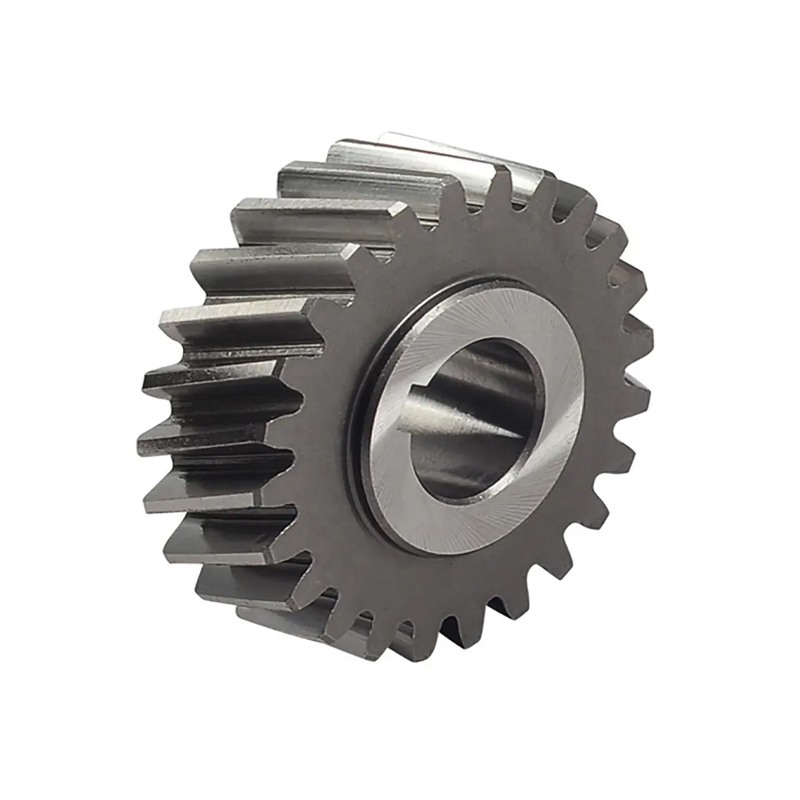
CNC machine tools sliding doors rack pinion gear is a mechanical trans...
See Details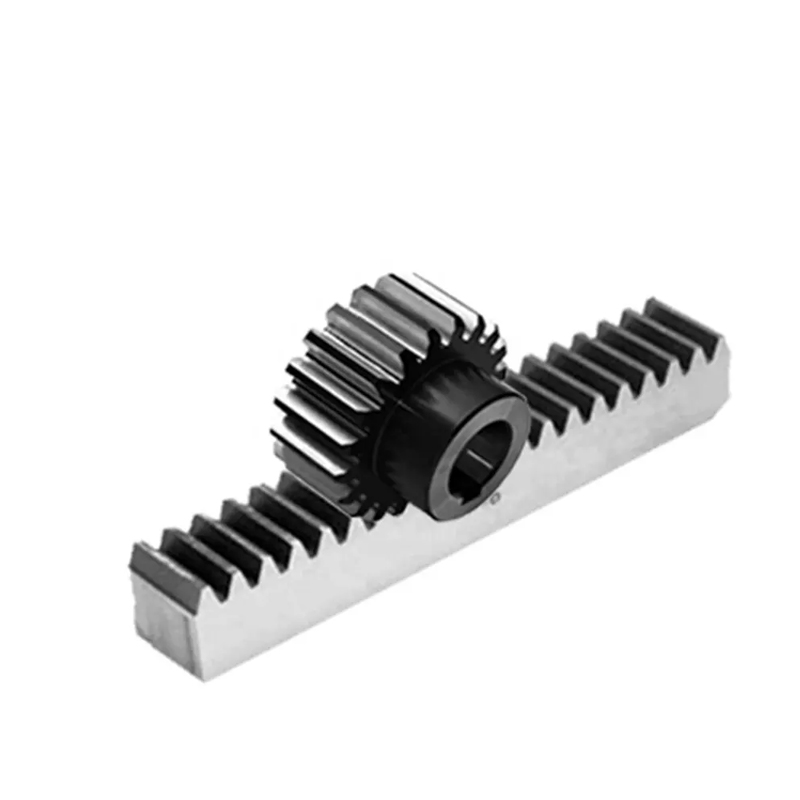
The Rack Pinion Gear for automatic door openers is a crucial component...
See Details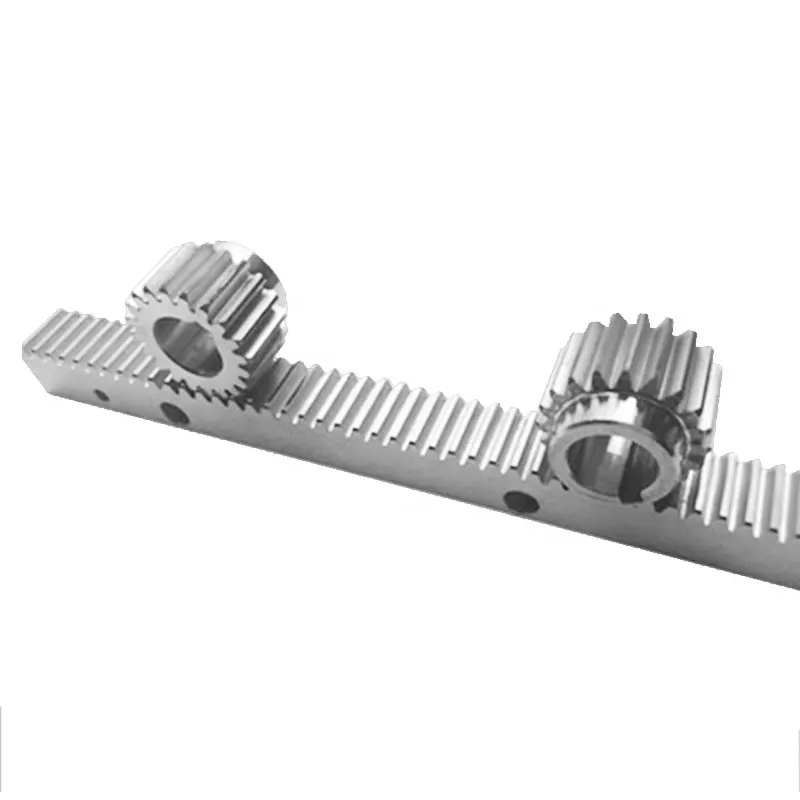
The Multiple Specifications Rack Pinion Gear is a versatile mechanical...
See Details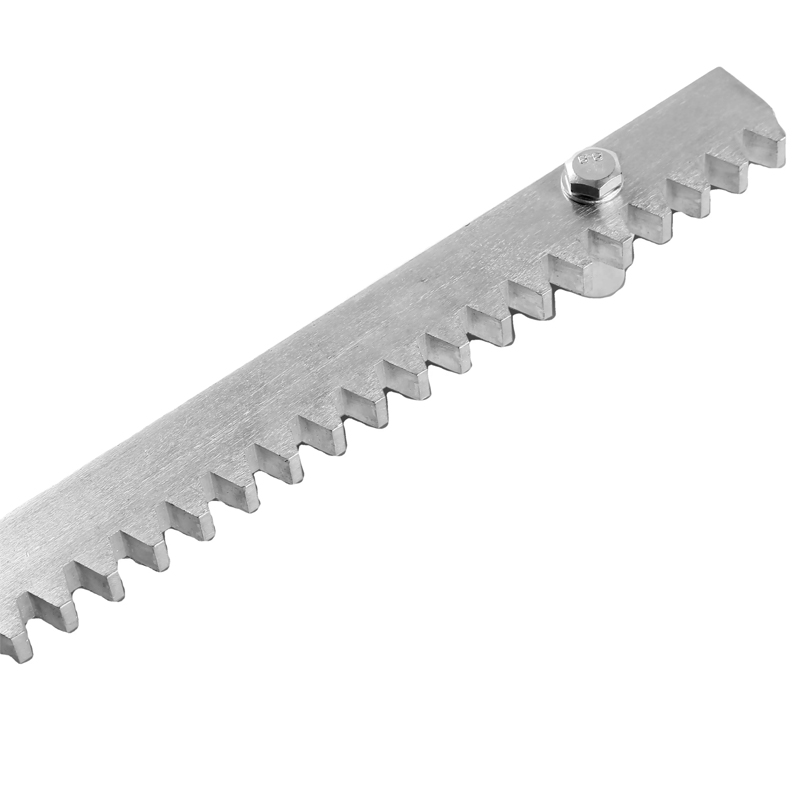
The Mounting Holes Sliding Door Steel Gear Rack is a critical componen...
See Details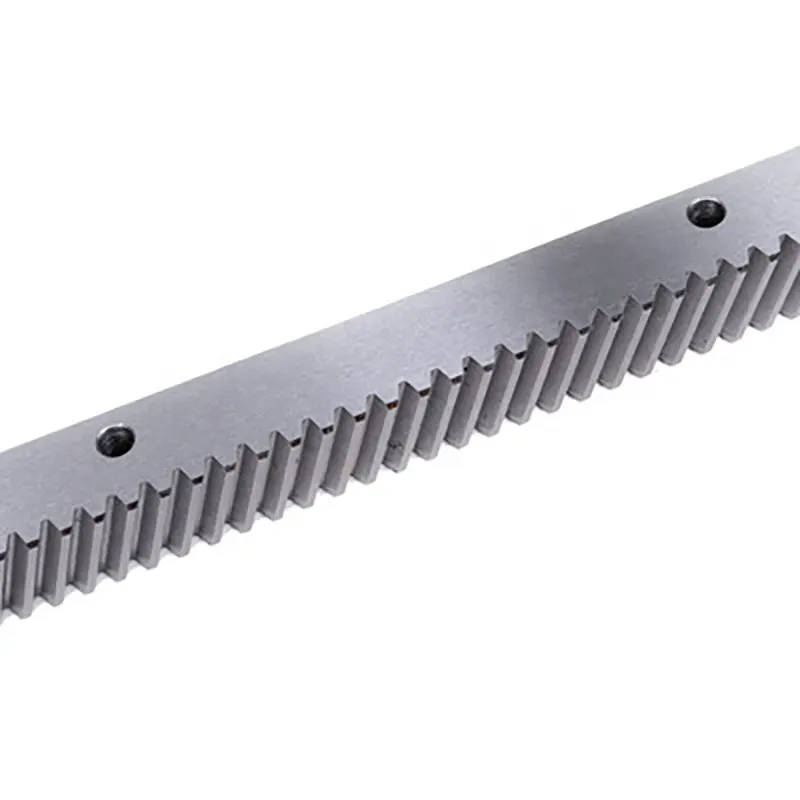
The Durable Accessories Helical Gear Rack is a critical component desi...
See Details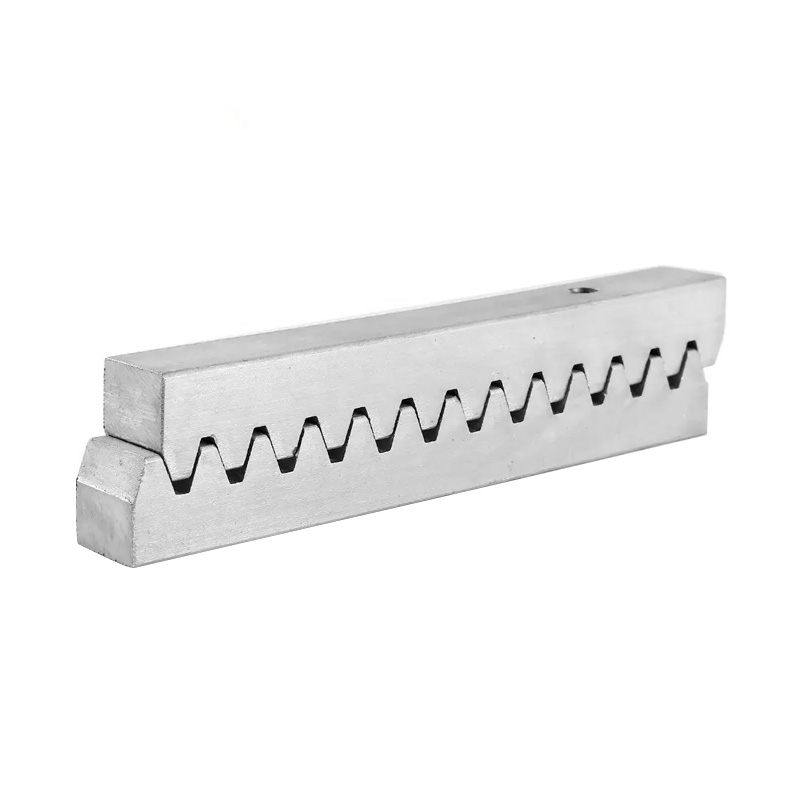
The Square Evenly Distributed Straight Gear Rack is a precision mechan...
See Details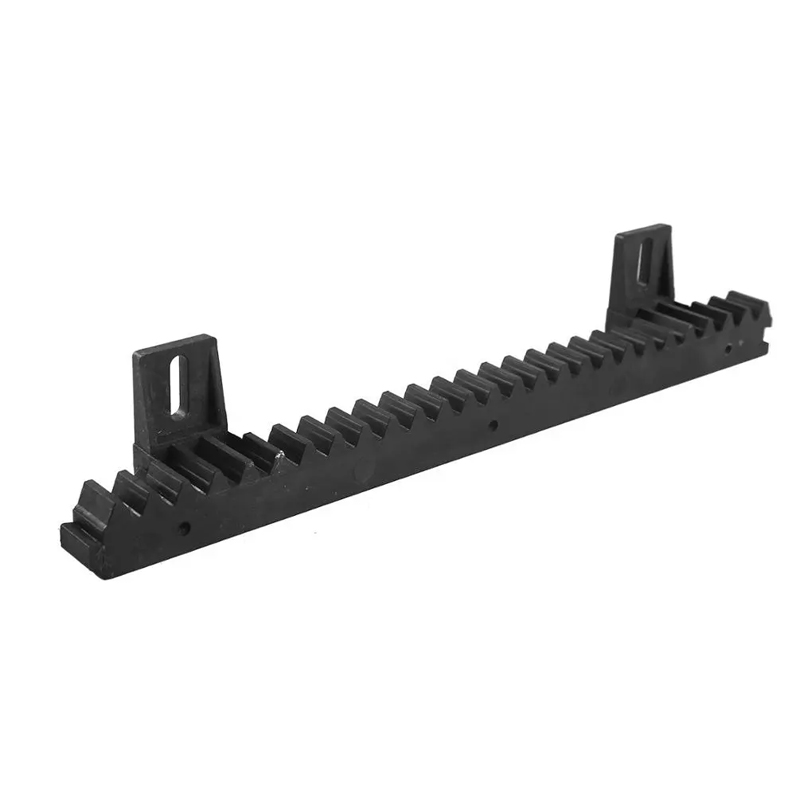
The Two-Hole Track Sliding Door Nylon Gear Rack is a mechanical compon...
See Details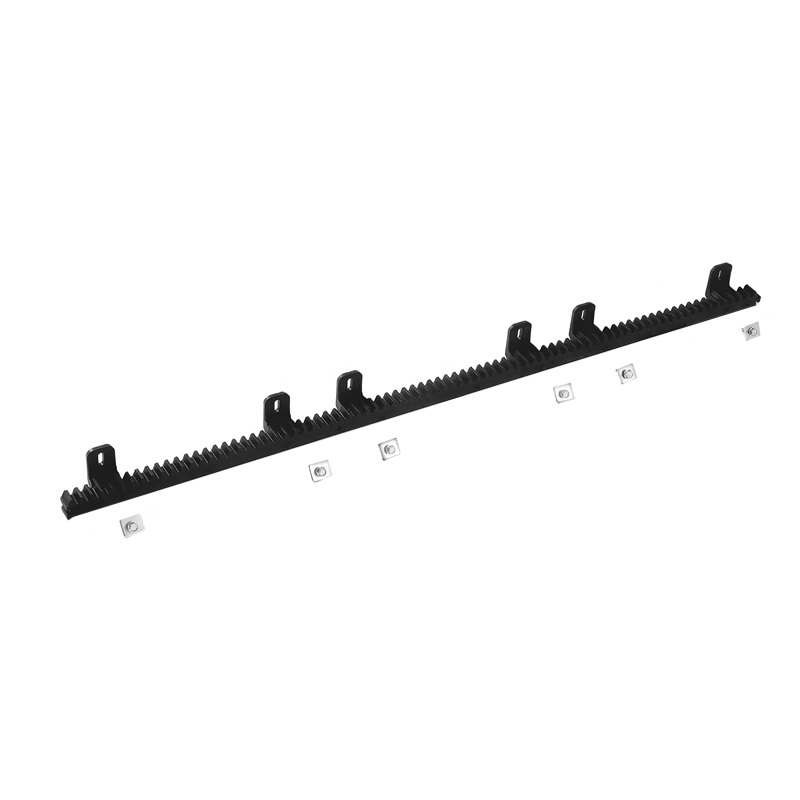
The Black Six Eyes Sliding Door Nylon Gear Rack is a versatile and pra...
See Details
