
 English
 русский
 Español
No. 200 Gaoxin RD, Shanghua St, Lanxi, Zhejiang, P. R China
The Stainless Steel Stepped Rack Pinion Gear is a highly versatile and...
See DetailsWalk through nearly any factory floor and you'll see stuff sliding back and forth — conveyor arms shifting product, packaging machines nudging boxes into position, automated equipment inching a part exactly where it needs to be. Behind much of this straight-line motion is a mechanism that transforms rotational movement into back-and-forth travel. The Nylon Gear Rack has become a pretty common answer to that particular engineering problem.
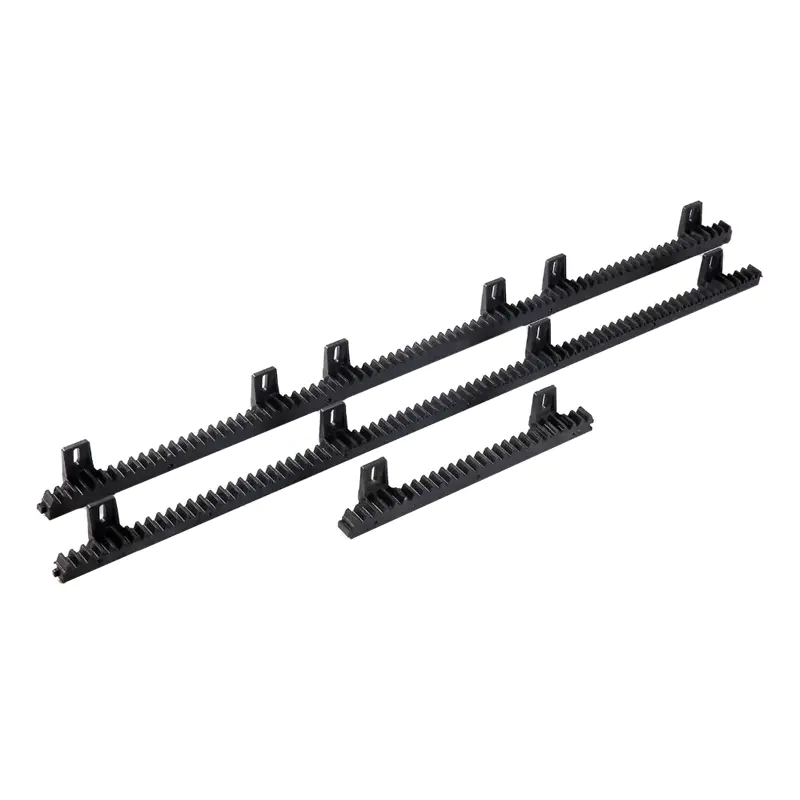
When people come across this component, they often see a plastic strip with teeth along its surface and may not look beyond its simple appearance. What they're missing is how much that unassuming piece actually does — guiding movement, holding position, quietly making sure other parts of the machine end up where they're supposed to. Getting a handle on how it actually works makes comparing products and figuring out what fits a given machine a lot less confusing.
Boiled down, it's a transmission part that turns rotary motion — a spinning gear — into straight-line movement. Instead of spinning itself, the rack slides along a track while gear teeth mesh with the teeth cut into its surface.
Simple concept, but it ends up underneath a huge chunk of machinery across different industries:
It's not generating motion on its own, really. It's more of a translator — taking rotation from somewhere else in the system and turning it into movement along a straight path.
Nothing complicated mechanically. A gear spins, its teeth catch on the teeth along the rack, and that engagement pushes the rack forward in a straight line. Reverse the gear's spin, and the rack slides back the other way.
That interaction — gear turning, rack sliding — is the whole trick. Repeat it enough times in a controlled way and you've got a system capable of positioning parts precisely or moving product along a line without much drama.
| Part | What It Does |
|---|---|
| Gear | Provides the rotational motion that drives the mechanism. |
| Nylon Gear Rack | Converts the gear's rotational motion into precise linear motion. |
| Combined Gear and Rack Assembly | Produces smooth, controlled mechanical motion by transforming rotary movement into straight-line travel. |
This basic gear-and-rack relationship is really why the setup shows up so consistently across so many different machines.
Material choice isn't just a cosmetic decision — it shapes how the whole system behaves once it's actually running.
Nylon tends to get picked because it works well in a lot of motion systems where smooth operation and manageable upkeep matter to whoever's designing the equipment.
Engineers usually weigh things like:
None of these get decided in isolation. Material selection is really just one thread woven into the bigger system design conversation.
Controlled linear movement shows up across a surprisingly wide stretch of industrial work, which is exactly why Nylon Gear Racks keep turning up in so many different machines.
Common spots include:
Different industries chase different production goals, sure, but underneath all that variation sits the same basic need — something has to move in a straight line, reliably, over and over. The rack ends up as one piece within a much larger transmission puzzle.
Picking a transmission part usually comes down to how well it fits the machine it's going into. A few practical traits explain why nylon racks keep getting selected.
Movement that stays consistent. A properly paired gear and rack keep the motion predictable — no unexpected jerking or wobble along the travel path, assuming everything's aligned right.
Room to work across different machines. The same basic principle — gear meshing with rack — supports all sorts of equipment, which is why similar components keep showing up in industries that otherwise have nothing in common.
Maintenance that doesn't become a nightmare. Designers usually think about future servicing while picking components, not just how things look brand new. Parts that fit into a routine inspection schedule tend to save headaches later.
Playing nicely with the rest of the system. Most machines aren't built around one single moving part — they're assemblies of several motion components working together. A nylon rack slots into these setups without demanding the whole design get rethought.
Whether any of this actually matters comes down to the full mechanical system, not just this one piece sitting by itself.
Both nylon and metal versions are doing the exact same basic job — turning rotation into straight-line movement by meshing with a gear. Where they split apart is material behavior and which environments tend to favor one over the other.
| What's Compared | Nylon Gear Rack | Metal Gear Rack |
|---|---|---|
| Material | Nylon | Metal |
| Common Use | Various mechanical systems and applications | Various mechanical systems and applications |
| Basic Function | Transmits linear motion by engaging with a gear | Transmits linear motion by engaging with a gear |
| Selection Criterion | Chosen based on specific application requirements | Chosen based on specific application requirements |
Neither one wins across every situation. What the machine's actually being asked to do usually settles the question, more than any inherent advantage one material claims over the other.
Picking a transmission part involves more than skimming a spec sheet. A few grounded questions tend to help.
What machine is this actually going into? Different equipment demands different kinds of movement — figuring that out narrows the field pretty quickly.
Is the system running constantly, or in bursts? Continuous operation and intermittent use pull component selection in slightly different directions.
Can maintenance actually happen without a struggle? Parts tucked somewhere hard to reach turn routine checks into a bigger job than they need to be. Worth thinking about before, not after, installation.
Does the rack actually fit the rest of the transmission setup? It has to work as part of a whole assembly, not sit there as some isolated piece bolted on separately.
Working through these before buying tends to save a fair bit of frustration once the machine's actually running.
Even a well-matched rack underperforms if it's thrown into place carelessly. Installation planning genuinely matters here.
Things worth paying attention to:
Skipping this step tends to cause small annoyances that snowball later — a bit of wobble here, a maintenance headache there. The surrounding mechanical setup ends up mattering just as much as the rack itself.
Every industry approaches movement a little differently. Automation lines care a lot about positioning accuracy — getting a part exactly where it needs to be, repeatedly. Packaging equipment worries more about keeping product moving consistently without jams. Material handling systems focus on shuttling things around a facility efficiently. Assembly machinery has to juggle several moving parts working in sync.
Different goals, sure, but they all boil down to needing controlled straight-line motion somewhere in the process. The Nylon Gear Rack slots into that need across all of them, working alongside gears and whatever else the transmission system requires.
That's really why the same basic component keeps showing up in industries that otherwise look nothing alike.
Knowing how a Nylon Gear Rack works isn't just trivia for engineers. It shapes how buyers, designers, and equipment users think through whether a specific rack actually fits their machine. Instead of judging purely on appearance or material alone, practical decisions usually circle back to the intended application, the operating environment, realistic maintenance expectations, and how well the rack meshes — literally and figuratively — with the rest of the transmission system. Getting that working principle straight in your head makes comparing options a lot less overwhelming, and helps land on a rack that actually supports whatever movement the machine's built to handle.
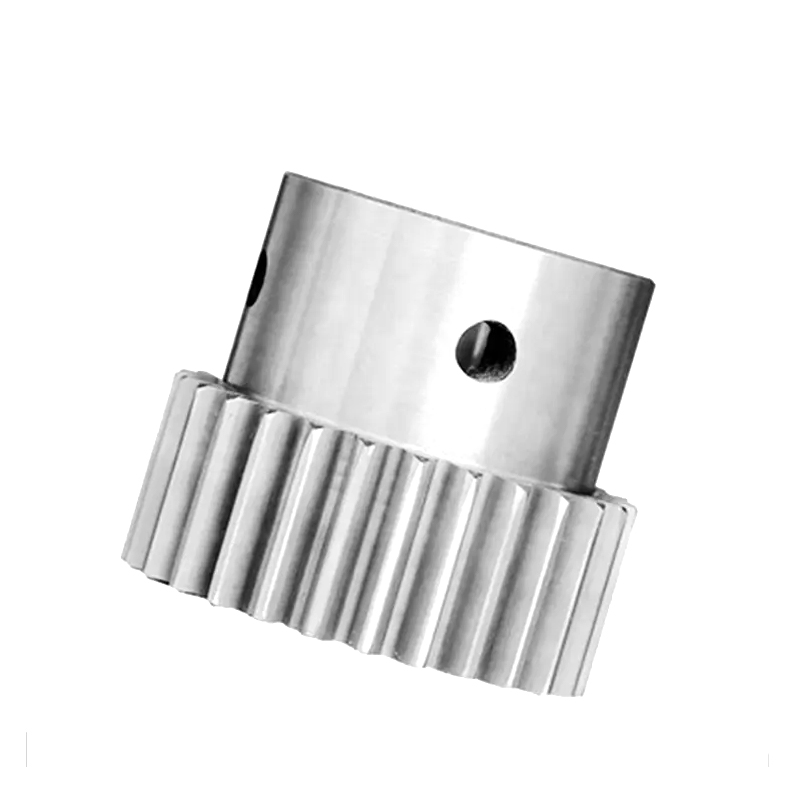
The Stainless Steel Stepped Rack Pinion Gear is a highly versatile and...
See Details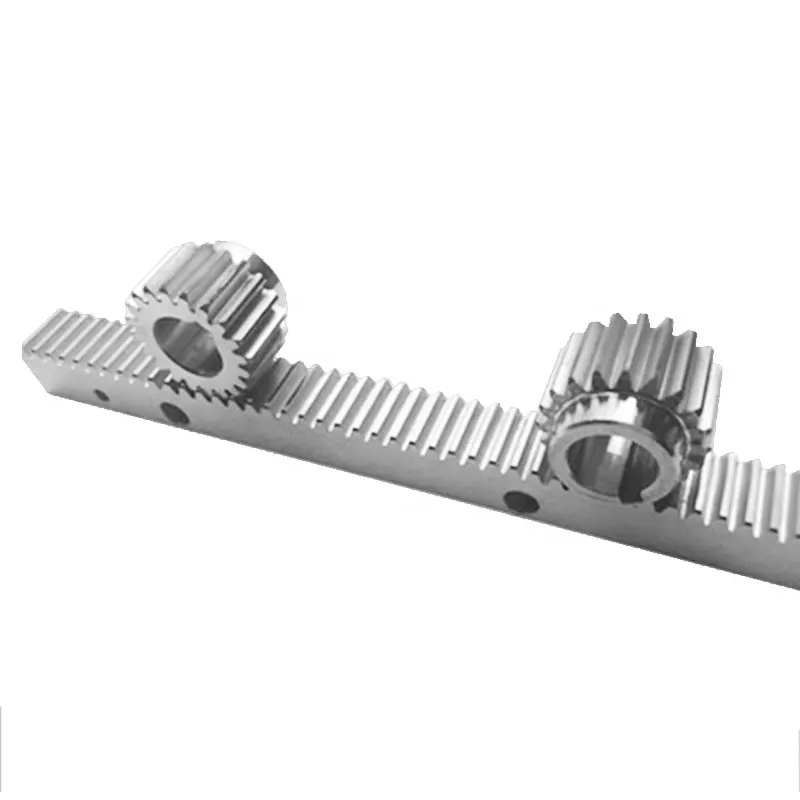
The Multiple Specifications Rack Pinion Gear is a versatile mechanical...
See Details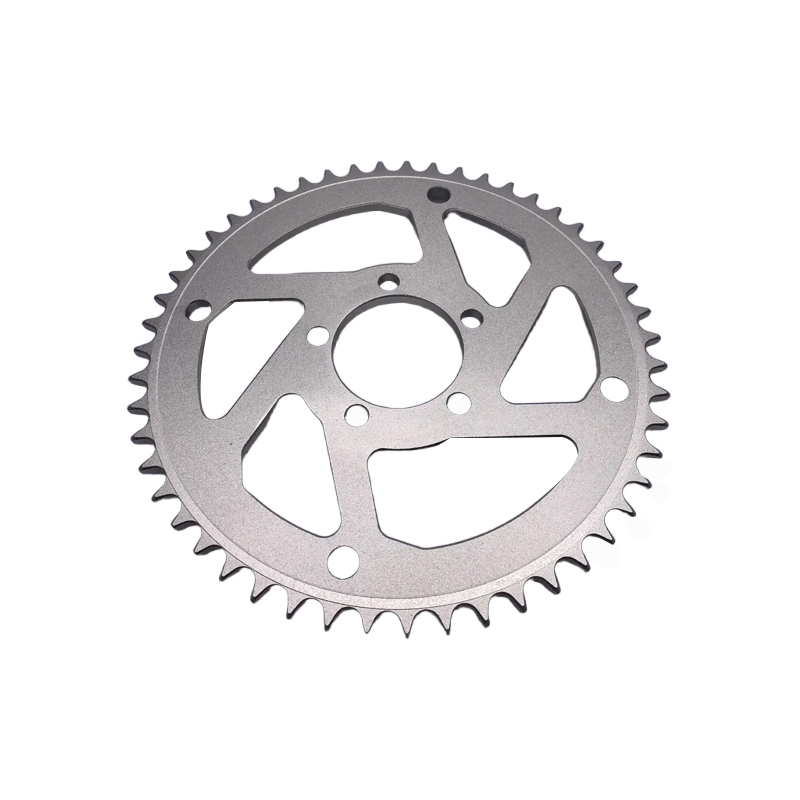
The sprocket drive wheel rack pinion gear is a critical component in v...
See Details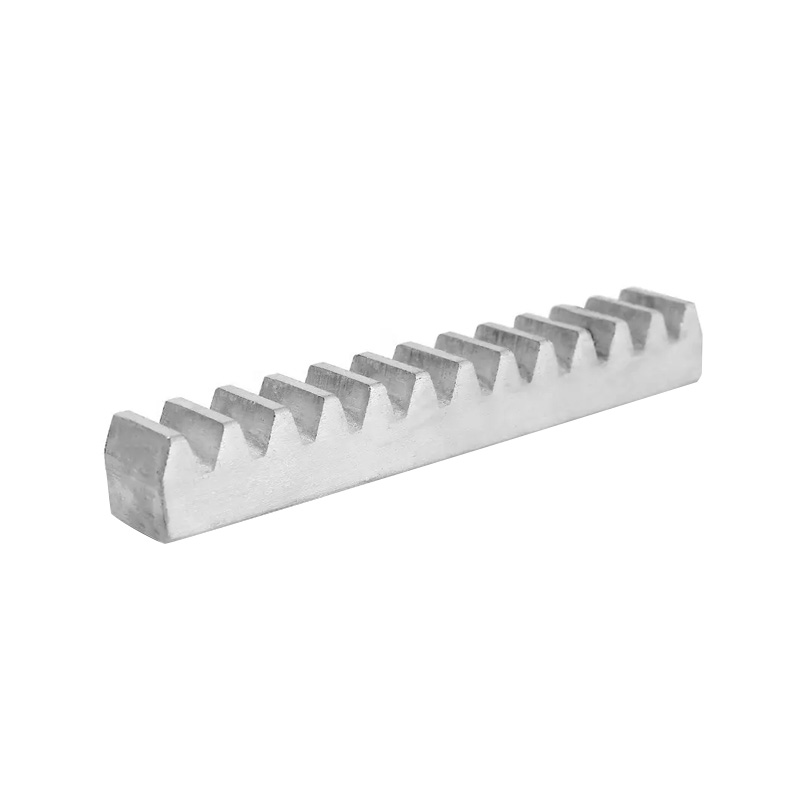
The Drive Durable Sliding Door Steel Gear Rack is a critical component...
See Details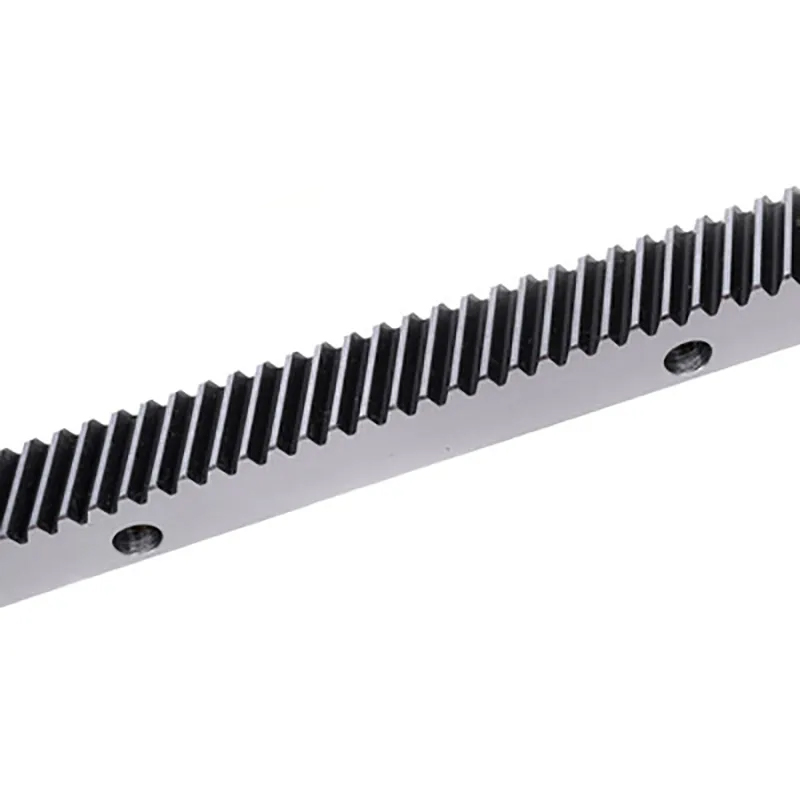
The CNC machining helical gear rack is a critical component in various...
See Details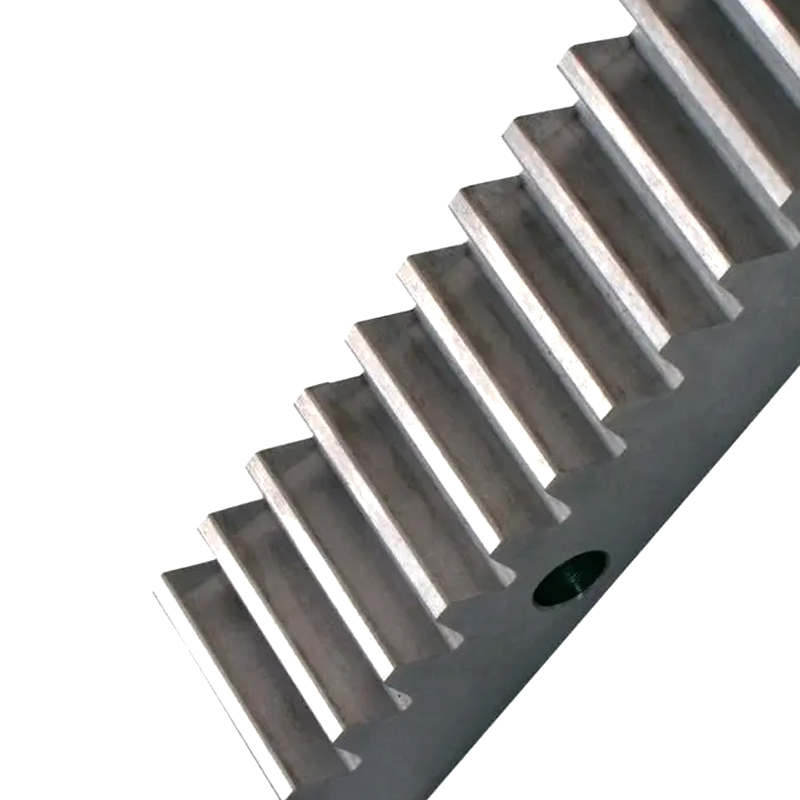
Lifts transmission systems helical gear rack is a key compo...
See Details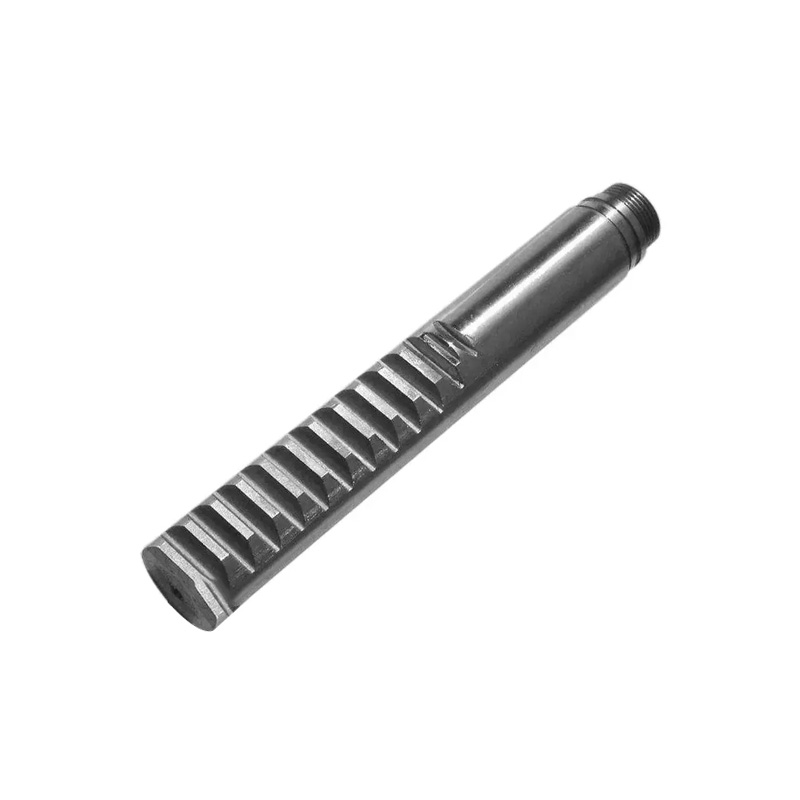
The Cylindrical Black Stainless Steel Straight Gear Rack is a durable ...
See Details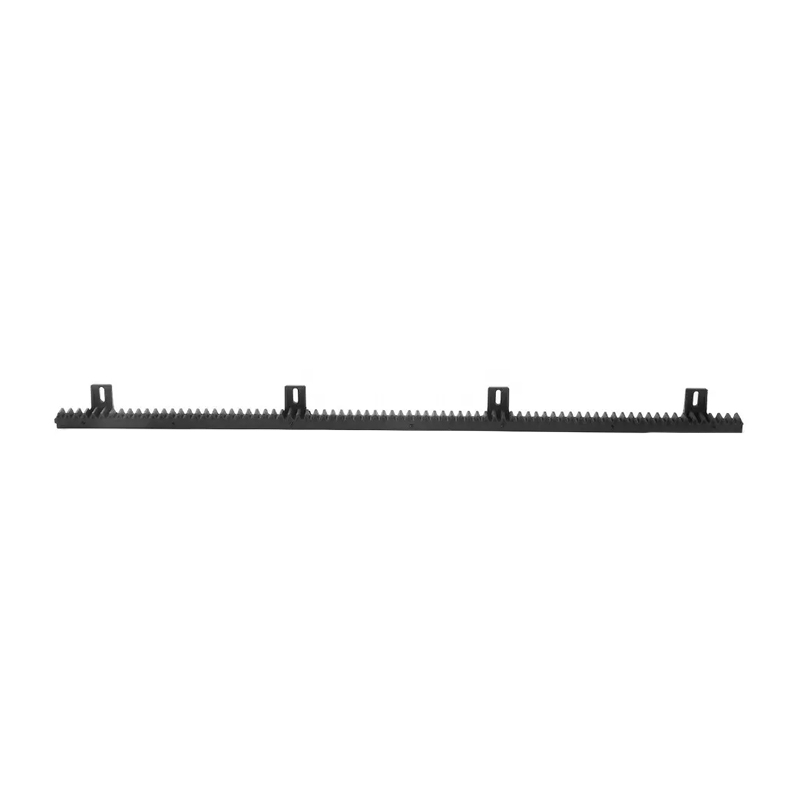
The Enhancement Sliding Door Nylon Gear Rack is designed for smooth, q...
See Details
