
 English
 русский
 Español
No. 200 Gaoxin RD, Shanghua St, Lanxi, Zhejiang, P. R China
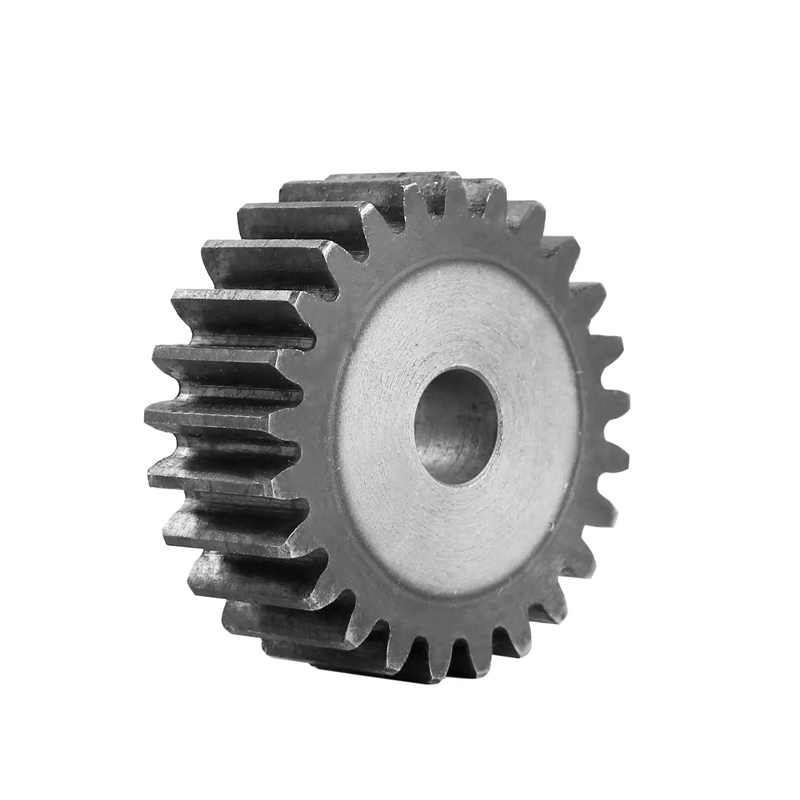
Surface heat treatment rack pinion gear is a mechanical transmission c...
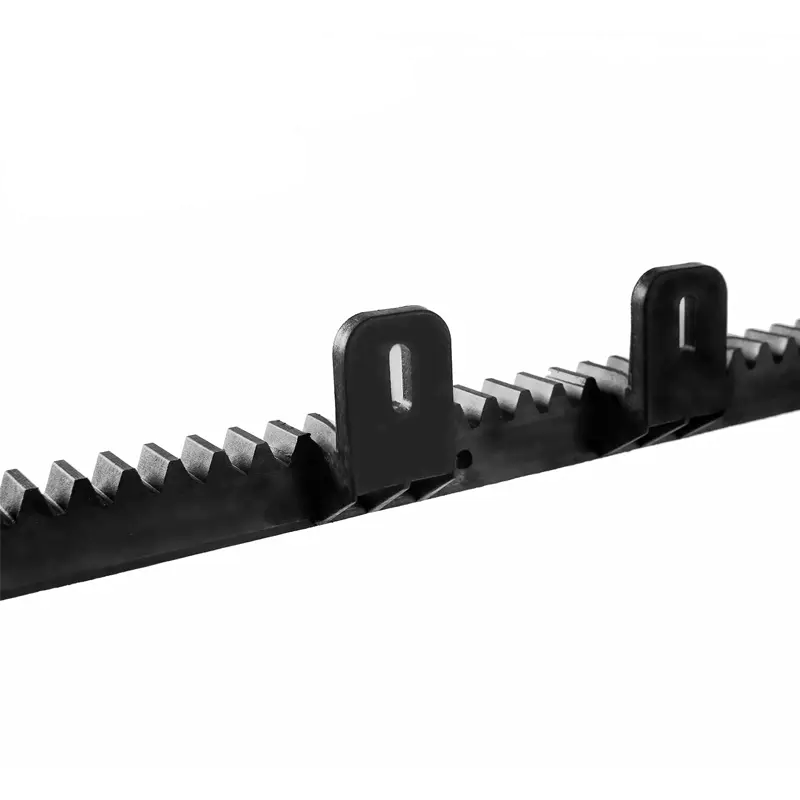
See DetailsEvery machine is really just a stack of decisions someone made about individual parts — this one handles power, that one guides movement, another one transfers force from one section to the next. None of these parts look particularly impressive sitting on a shelf. What actually matters is the material they're made from, and how that choice ripples through the whole system once things start running. Take a Nylon Gear Rack. Most people glance at it, notice the shape and size, maybe check whether it'll physically fit into the installation space, and move on. What they're skipping past is the material itself, which turns out to matter just as much as the dimensions — sometimes more. Getting a handle on how material choice actually shapes performance helps designers, manufacturers, and whoever's signing off on purchase orders make decisions based on what the machine's actually going to face, rather than guessing based on appearance or habit.
Machines don't all live in the same world. Some sit inside a climate-controlled facility running the same cycle all day. Others get bolted onto equipment sitting outdoors, dealing with humidity, dust, temperature swings that shift by the season.
Because these conditions vary so much, material selection stops being some afterthought tacked onto the design process — it becomes part of the design process itself from the start. What the rack's made of changes how it interacts with the parts around it and how reliably it handles the linear motion it's actually there to produce.
Instead of searching for one material that suits every situation, engineers usually focus on a more specific question: which material matches the needs of this particular application.
A Nylon Gear Rack takes rotary motion from a gear and turns it into straight-line movement. That job stays the same no matter which industry it's working in.
Shows up in places like:
Different machines, obviously, doing pretty different jobs. But underneath all that variety, the rack's contributing the same basic thing — controlled linear motion within whatever transmission system it's bolted into. Material choice is what helps that contribution actually hold up once the machine's running day after day.
Mechanical systems rarely deal with just one set of conditions over their whole working life. Because of that, engineers end up juggling more than a single variable when picking materials.
How it plays with what's around it. Any transmission system involves several moving parts working together. The material chosen for the rack needs to mesh naturally with those neighboring components — not just physically, but in how it wears and responds to stress over time.
What environment it's actually sitting in. A rack running indoors in a controlled facility faces a pretty different reality than one exposed outdoors, dealing with moisture or temperature extremes. Picking material without accounting for that tends to backfire eventually.
How maintenance is going to work. Nobody wants to design a system that's a nightmare to service later. Choosing a material that fits comfortably into whatever inspection schedule's realistic helps keep long-term operation from turning into a headache.
None of these get weighed by themselves. Designers tend to look at how material choice ripples through the whole system, not just one isolated trait.
Plenty of materials could theoretically do this job. Nylon tends to come up often because it works across a genuinely wide spread of applications, spanning quite a few industries without needing much rethinking each time.
Picking it usually reflects broader design goals rather than one single standout trait. Design teams tend to weigh things like:
Material choice ends up being one thread in a much bigger engineering conversation, not a standalone decision made in isolation.
Every material brings its own set of tradeoffs to the table. Rather than crowning one option as universally correct, engineers weigh materials against whatever the project actually needs.
| What Gets Compared | Nylon | Other Materials |
|---|---|---|
| Flexibility across applications | fits a wide range of systems | depends heavily on design goals |
| Compatibility with surrounding parts | judged case by case | judged case by case |
| Fit with maintenance planning | factored in during design | factored in during design |
| Suitability for installation conditions | matched to the environment | matched to the environment |
This isn't really about finding some default answer that works everywhere. It's about lining the material up with the actual mechanical system it's going into.
Material selection matters wherever motion transmission is doing real work, and that turns out to be a lot of places.
| Industry | How the Rack Gets Used |
|---|---|
| Automation | linear positioning tasks |
| Packaging | moving product along a line |
| Material handling | conveyor-based movement |
| Manufacturing | mechanical transmission work |
| Assembly | guiding motion between stations |
| General machinery | controlled linear movement |
Every one of these industries has its own quirks, sure. But they all lean on transmission parts that actually suit the conditions they're operating under — and material choice is where that alignment either happens or doesn't.
Choosing a Nylon Gear Rack usually involves more than just skimming a catalog page. A handful of grounded questions help narrow things down.
What's this rack actually going into? Understanding the full machine gives useful context — the rack has to work as part of that system, not float independently of it.
Where's the equipment going to run? Indoor and outdoor setups create different installation realities, and that shapes which material actually makes sense.
How often is this thing moving? Some machines run nonstop through a shift. Others only kick into motion occasionally. That difference changes what actually matters in a material choice.
Is maintenance going to be manageable? Routine checks support long-term reliability. Picking something that fits realistically into a maintenance schedule tends to simplify life down the road quite a bit.
Working through these before buying usually beats guessing based on a spec sheet alone.
Picking the right material only gets you partway there — installation planning matters just as much for how the thing actually performs once it's running.
Worth paying attention to:
Skip this step and even a well-chosen material can underperform simply because it wasn't set up properly. The surrounding system matters just as much as the material itself, honestly.
No two mechanical setups are really the same underneath. A conveyor line moves differently than an assembly machine. Packaging equipment runs on different rhythms than a dedicated positioning system.
Because every application carries its own quirks, material selection needs to reflect what's actually happening on the ground rather than some general rule of thumb. Design teams tend to look at the whole operating picture — environment, motion pattern, maintenance realities — before settling on a transmission component.
That broader view is really what makes sure the gear rack ends up doing its job well within whatever machine it's built into.
Getting a sense of how material choice shapes a Nylon Gear Rack's performance gives buyers and designers something more useful than just eyeballing the part. Instead of judging purely by how something looks, thinking through how the material connects to the application, the installation conditions, realistic maintenance expectations, and the surrounding system design paints a much fuller picture. Mechanical transmission only works when a bunch of different parts cooperate well together. A Nylon Gear Rack is one piece of that puzzle, and the material chosen for it quietly determines how naturally it settles into different industries, environments, and motion demands across the wide range of machines depending on it.
Surface heat treatment rack pinion gear is a mechanical transmission c...
See Details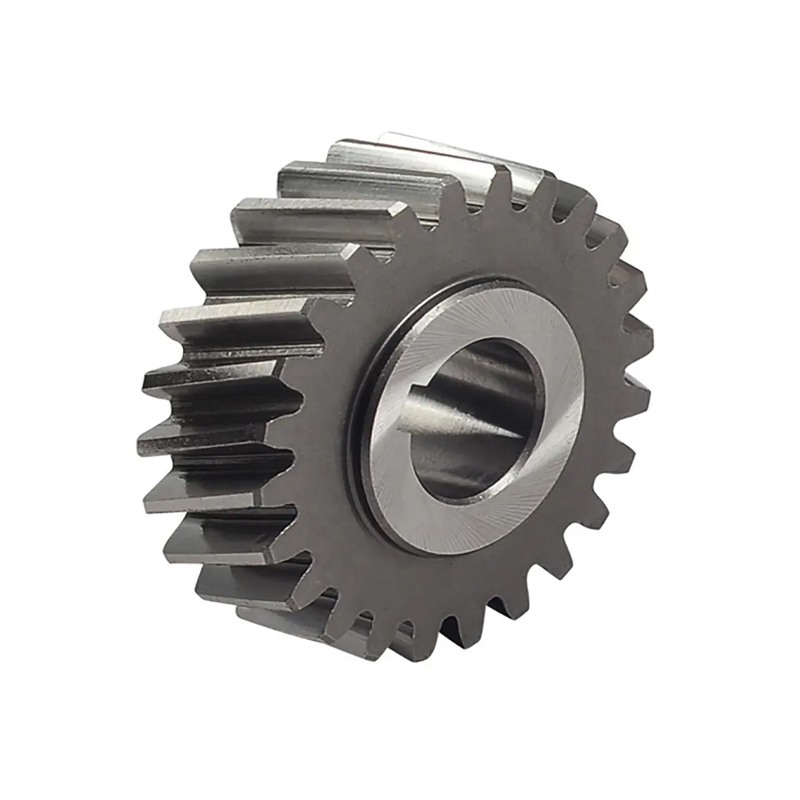
CNC machine tools sliding doors rack pinion gear is a mechanical trans...
See Details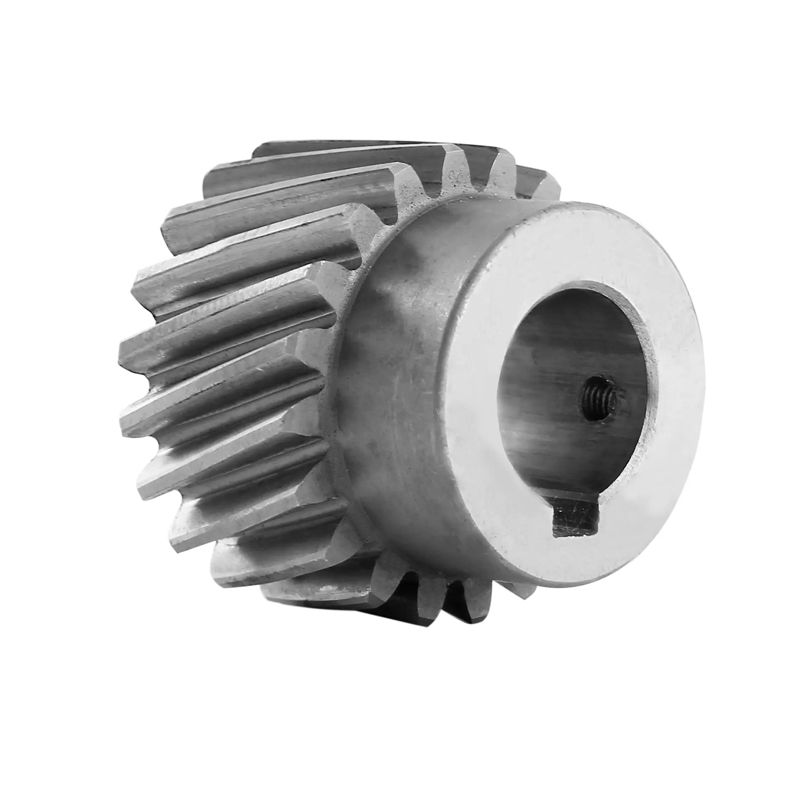
The multiple sizes high precision rack pinion gear system is an essent...
See Details
The Gearbox Transmission Rack Pinion Gear system is a critical mechani...
See Details
Sliding doors are a popular choice for both residential and commercial...
See Details
The Widely Used Operational Sliding Door Steel Gear Rack is a critical...
See Details
In the world of mechanical engineering, the performance and longevity ...
See Details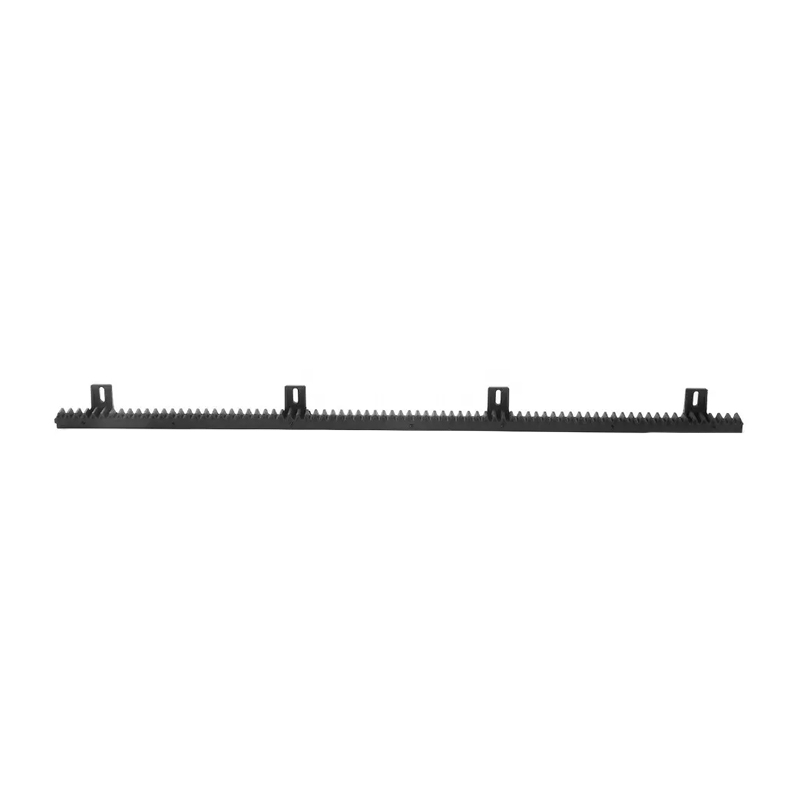
The Enhancement Sliding Door Nylon Gear Rack is designed for smooth, q...
See Details
