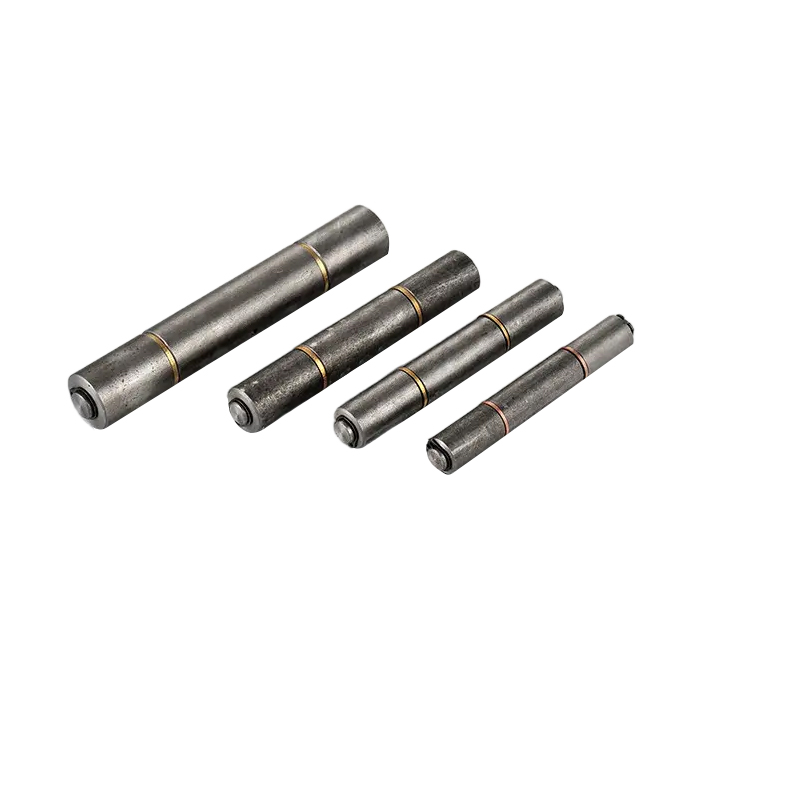
What Is a Square Sliding Door Welded Bearing Hinge?
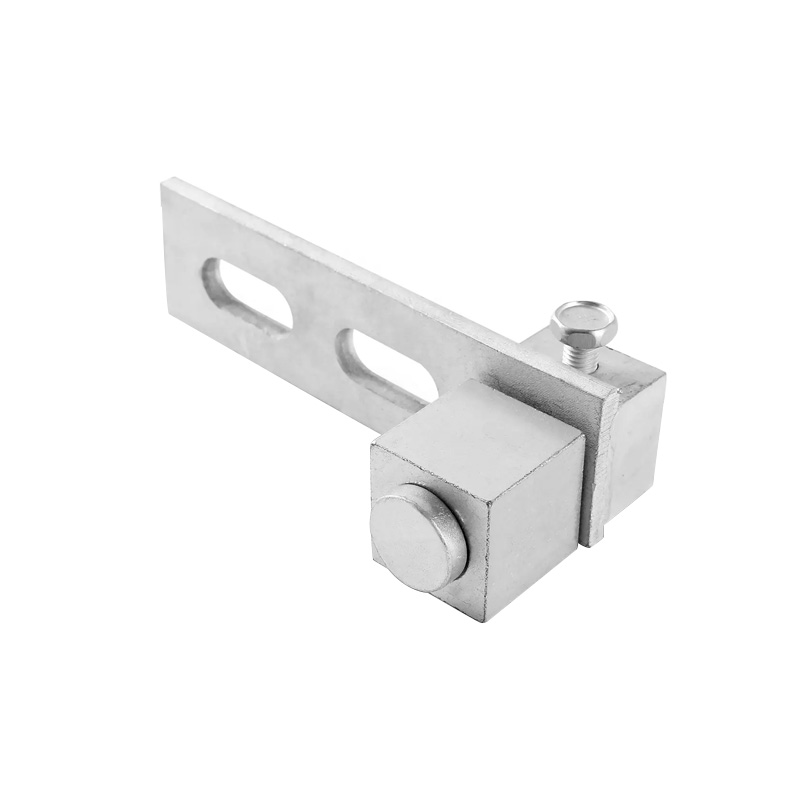
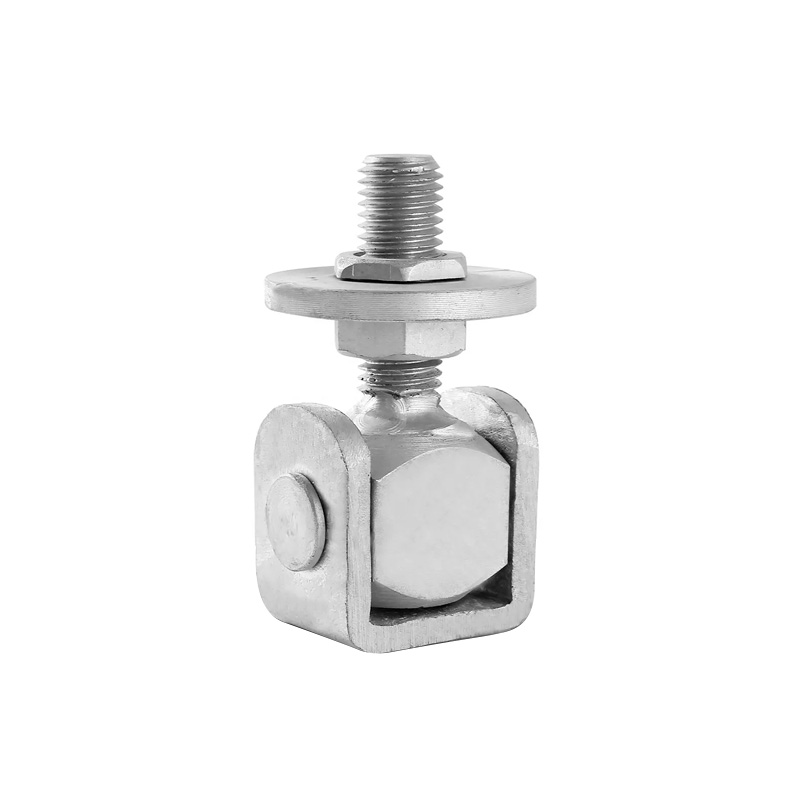
A square sliding door welded bearing hinge is used when a sliding door system still needs a bit of controlled rotation or adjustment while moving. It has a square mounting base and a welded structure with a bearing inside, so the door doesn't just scrape or drag during operation.
In real projects, it usually shows up in heavier sliding setups—industrial doors, equipment covers, workshop partitions. It's not a “visible” part people talk about much, but once you're involved in manufacturing or installation, it becomes one of those components that quietly decides how smooth the system feels.
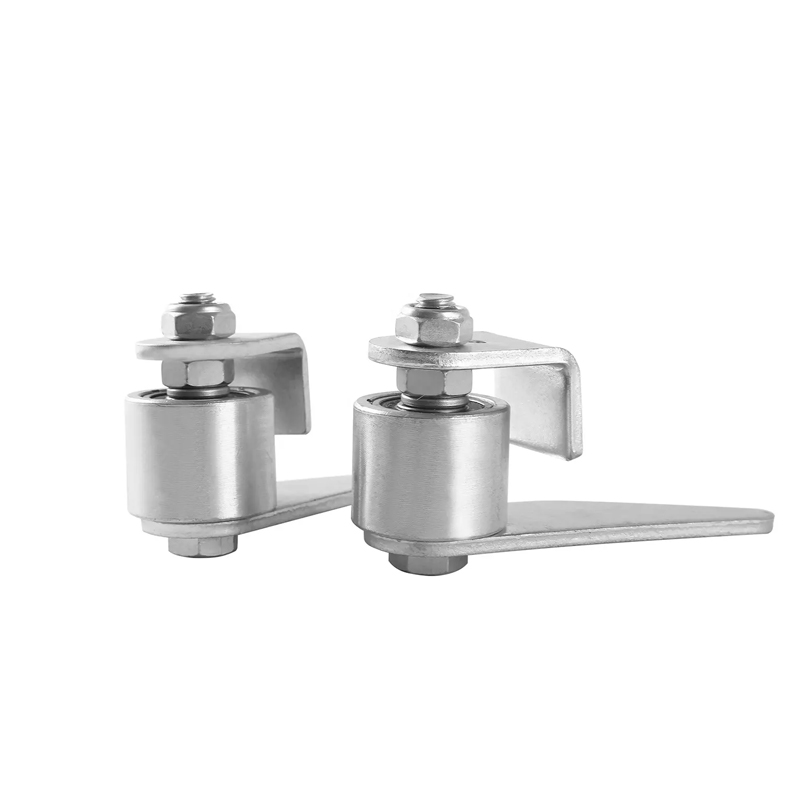
You'll often see it grouped under Bearing Type Hinges, especially when the structure involves repeated motion. In heavier setups, it also falls into the broader category of Load Bearing Hinges, since it's expected to carry both movement and weight at the same time.
Material and Where It Comes From
Most of these hinges are made from carbon steel or stainless steel. Carbon steel is usually chosen when the system is indoors or cost-sensitive. Stainless steel shows up more when the environment is less predictable—humidity, rain exposure, or places where cleaning chemicals are used.
The steel itself usually comes from standard industrial mills. Buyers don't always ask for brand names of raw material, but consistency is what they care about. If one batch of steel behaves differently from the next, you'll see it later in welding quality or how the bearing rotates after installation.
In practice, distributors and importers tend to prefer suppliers who stick with stable material sources. It's less about “premium marketing” and more about avoiding surprises in production.
How It's Made
The process is fairly straightforward, but small details matter more than the steps themselves.
It starts with cutting steel plates into square base shapes. These become the mounting points for the hinge.
Then the main structure is formed and welded. This is the part where alignment matters most. If the welding angle is slightly off, the door won't feel smooth when it moves—it might drag or shift under load.
After welding, the surface is cleaned up. Sometimes it's ground down to remove rough edges, sometimes coated depending on the order requirements.
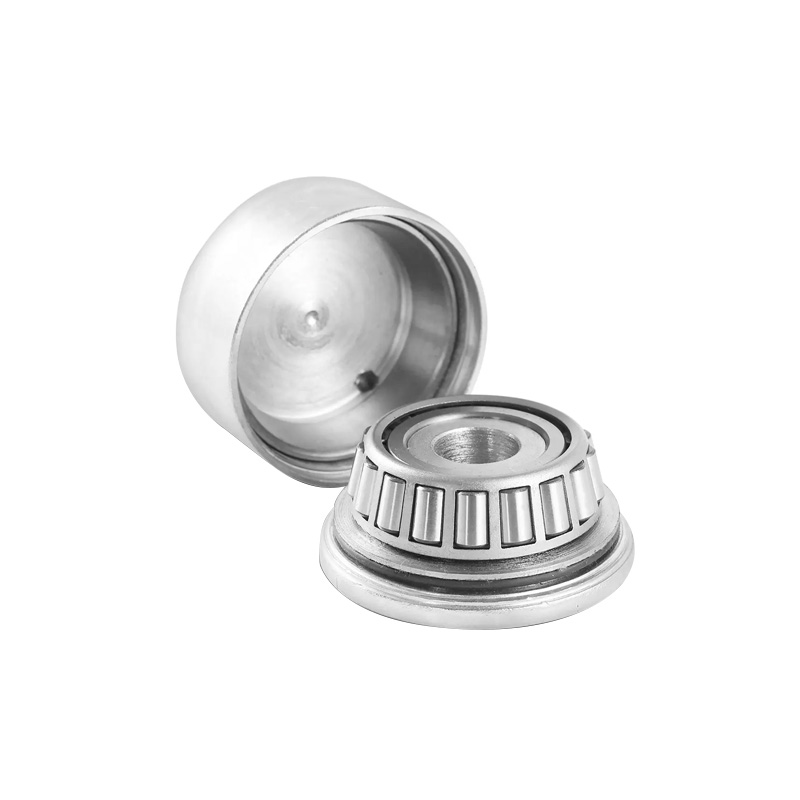
The bearing is installed next. This is the piece that actually controls the movement. If it's not seated properly, you'll feel it immediately during operation—either stiffness or uneven rotation.
Before packing, basic checks are done. Not lab-level testing, just practical things: does it rotate smoothly, is the structure straight, are dimensions consistent.
Where It Gets Used
This hinge is mostly used in sliding door systems that deal with real weight and frequent use.
You'll find it in warehouse sliding doors, industrial workshop entrances, machine enclosures, and custom-built sliding partitions. In these environments, the door is rarely lightweight, so standard hinges alone usually aren't enough.
In some systems, it works together with rails or rollers. The hinge handles the structural movement while other parts manage sliding direction. That combination is common in larger industrial setups.
It's also frequently used in repair work. A lot of orders are not for new installations—they're for replacing worn-out hinges so the existing door system can keep running without rebuilding everything.
What Buyers Usually Pay Attention To
Most buyers don't overcomplicate this product. Their concerns are pretty grounded in real usage.
Price is always part of the conversation, especially for wholesale sourcing. But in practice, most buyers won't choose purely on cost because hinge failure affects the whole door system.
Load handling is a big one. These hinges are expected to support repeated movement plus weight. If they're under-specified, wear shows up quickly.
Environment is another factor. Indoor systems are easier. Outdoor or semi-outdoor setups bring in moisture, dust, and temperature changes, which is where stainless steel options become more relevant.
Packaging also matters more than people expect. Since these are welded steel parts, a slight bend during transport can already affect installation fit.
And then there's customization. This is actually very common. Different door systems require different square base sizes, plate thickness, bearing types, and hole positions. Rarely does one standard model fit everything.
Wholesale and Custom Supply
In real B2B supply chains, this product is usually handled in batches rather than single pieces. That makes flexibility from the factory side quite important.
Typical options include:
- Different square base dimensions and thicknesses
- Carbon steel or stainless steel versions
- Various bearing configurations depending on load
- Welded or semi-assembled structures
- Surface finishing like galvanizing or coating
- OEM / ODM production based on drawings
- Logo marking or private labeling if needed
- Export packaging tailored for bulk shipping
Some buyers also care about how the goods are packed per carton or pallet. It sounds minor, but it affects handling speed and damage risk during long-distance transport.
For distributors, this flexibility is often what makes long-term sourcing workable. It's not just about the hinge itself, but how easily it fits into different markets and customers.
Conclusion
A square sliding door welded bearing hinge is not a complex part, but it plays a very real role in how sliding door systems behave over time. When it's made properly, the door moves with less effort and fewer adjustments. When it's not, the issues usually show up quickly in daily use.
For buyers, the priorities stay practical: stable material, solid welding, smooth bearing movement, and reliable repeat supply. In many cases, choosing Bearing Type Hinges or Load Bearing Hinges is less about technical wording and more about keeping systems running without unnecessary maintenance.
It's one of those components that doesn't get attention—but quietly affects everything around it.

 English
 русский
 Español