
 English
 русский
 Español
No. 200 Gaoxin RD, Shanghua St, Lanxi, Zhejiang, P. R China
Surface heat treatment rack pinion gear is a mechanical transmission c...
See DetailsYour outdoor gate isn't opening and closing like it should anymore. There was a time when that gate glided smoothly. Now it sticks. Makes grinding sounds. Every time someone uses it, you hear the struggle from the motor working harder than necessary. You put some lubricant in, thinks will improve briefly, and then the problem resurfaces within a couple weeks. Sound familiar? That's rust. It creeps into every metal surface exposed to the weather—the rain, the humidity, the salt air if you're near a coast. Metal components start oxidizing and before long your gate becomes a maintenance headache nobody wanted. But here's the thing: you don't actually have to keep fighting this battle. Nylon Rack for Sliding Gate systems address this problem differently. Instead of trying to protect metal from rust, they use a material that doesn't rust at all. That fundamentally changes the equation.
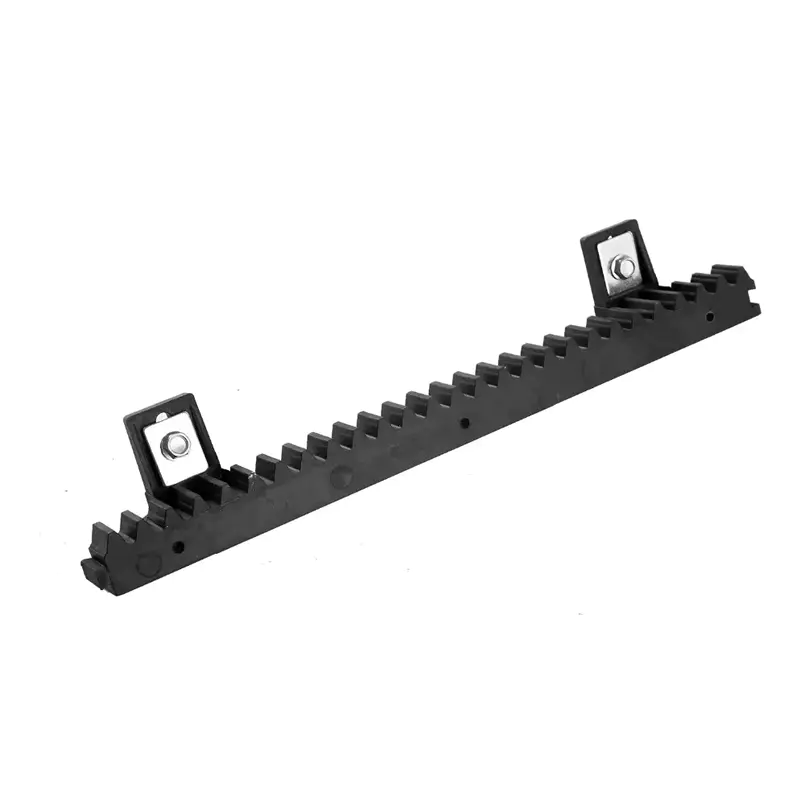
When you put metal outside, it's constantly under assault. This isn't pessimism—it's just material science:
Your gate sits in this environment twenty-four hours a day. Unlike a car you can park in a garage, a gate just endures whatever weather comes. The metal components start oxidizing. Some people think painting solves this. Paint does help temporarily. Eventually though, moisture finds its way underneath the paint. Tiny cracks develop. Water infiltrates behind the protective coating. Then rust spreads underneath where you can't see it.
Rust isn't just a surface issue. It creates consequences that compound:
You address one aspect of it through maintenance and the problem comes back because you're not stopping the underlying cause. The metal continues corroding. Friction keeps increasing. Eventually the gate becomes difficult to operate at all. Service calls become more frequent. Components wear out faster. The whole situation spirals until you're tempted to replace the entire system.
Properties with outdoor metal gate systems spend considerable time managing rust:
This creates a constant maintenance burden. You're not adding value—you're preventing problems that wouldn't exist with different materials. Time gets consumed on reactionary maintenance instead of proactive system improvements. When the gate fails in front of guests, that reflects poorly on property management generally.
Some people figure paint or protective coatings will prevent the problem. The reality is more complicated:
You can spend money on fancy protective systems. Given enough time and weather exposure, rust finds a way. It's not a matter of if the coating will fail, it's when. That's why some operators eventually give up on the maintenance game entirely and look for different solutions.
Nylon doesn't corrode. That's not marketing speak. It's chemistry:
This isn't coating something and hoping it sticks. It's using a fundamentally different material that handles outdoor exposure without deteriorating. That's a genuine difference from traditional approaches.
Nylon has inherent properties that reduce friction naturally:
When a gate system works smoothly, the motor uses less power. Components experience less stress. Wear rates decrease. The whole mechanism functions in a more relaxed state rather than constantly struggling.
Properties running nylon rack systems report consistent experiences:
You install the system and then largely forget about it. That's fundamentally different from metal systems where you're always managing something.
Most properties underestimate what metal gate systems actually cost:
When you track what you're actually spending over five or ten years, the number grows substantially. Properties with heavy gate traffic see even higher costs. Each failure creates operational problems and staff has to manage guest complaints.
Converting to nylon racks involves different economics:
Calculate the total cost over a decade of operation. The initial material investment gets recovered through lower maintenance, reduced downtime, and extended component life. The economics shift when you're honest about what you're actually spending managing rust problems.
| What Matters | Steel Racks | Nylon Racks | Real Impact |
|---|---|---|---|
| Corrosion risk | Significant problem | Essentially eliminated | How often maintenance happens |
| Friction characteristics | Increases as rust builds | Stays consistent | Motor workload |
| Maintenance demands | Regular ongoing attention | Practically none | Labor costs |
| Coating renewal | Periodic repainting needed | Not applicable | Paint and labor expenses |
| Component lifespan | Shortened by corrosion stress | Extended naturally | How often replacement occurs |
| Operational smoothness | Degrades over time | Stays consistent | User experience |
| Environmental resistance | Requires active management | Inherent material property | How weather affects it |
| Lubrication requirements | Continuous application | Self-lubricating | Maintenance labor |
Watch for indicators that corrosion is becoming a real problem:
When you notice these things, the rust problem has already progressed. Early intervention prevents cascading failures. Ignore these signs and operational problems multiply until the gate becomes unreliable.
Rust doesn't stay isolated. It creates a chain reaction:
This pattern repeats in properties with traditional metal systems. Understanding the progression helps justify upgrading before failure occurs. Preventive material conversion avoids the deterioration pattern entirely.
Converting from metal to nylon racks doesn't require rebuilding everything:
This means you're not replacing the entire gate system. You're upgrading the corrosion-prone component specifically. The infrastructure stays the same.
Not every gate application works identically with nylon racks:
Professional installation evaluates your particular gate system. Engineers determine appropriate nylon specifications for your situation. This prevents installation problems and ensures reliable performance afterward.
Switching to nylon racks eliminates certain maintenance tasks entirely:
The corrosion-specific maintenance work disappears. You still need standard mechanical maintenance—occasional lubrication, component inspection, control system checks. But the constant rust prevention battle ends.
Systems running nylon racks demonstrate consistent patterns:
This consistency matters enormously. You know what to expect. Performance doesn't gradually degrade. Component lifespan extends beyond comparable metal systems. Properties maintain higher uptime with fewer unplanned maintenance situations.
Salt-bearing air creates particularly harsh corrosion conditions:
Property managers at coastal locations recognize this immediately. Their metal systems deteriorate rapidly. Coastal salt air transforms maintenance from occasional to relentless. Nylon solutions address this specific environmental challenge effectively.
Extreme temperature variations stress mechanical systems:
Regions with significant seasonal temperature changes experience this challenge directly. Metal racks suffer continuously from expansion and contraction. Nylon racks adapt without developing stress fractures.
Constantly wet conditions accelerate corrosion:
Properties in tropical regions benefit significantly from material conversion. The humidity that would require constant metal maintenance becomes irrelevant with nylon systems.
Honestly assess whether conversion makes financial sense for your situation:
Properties experiencing frequent corrosion problems gain immediate benefit from conversion. Properties with minimal rust issues might find the investment less compelling. The calculation depends on your specific circumstances.
These secondary benefits compound across years of operation. A gate system running for ten years experiences cumulative advantages. Lower operational stress means components last longer. Reduced power consumption lowers utility expenses. Fewer service calls reduce labor costs significantly.
Outdoor sliding gate systems inevitably face corrosion challenges because metal exposed constantly to weather oxidizes. Rust creates cascading problems that accelerate deterioration unless actively managed through ongoing maintenance. Traditional approaches delay problems but never prevent them entirely. Converting to nylon-based rack and pinion systems addresses corrosion fundamentally by removing the chemical process that produces rust. Nylon Rack and Pinion Gear systems represent genuine advancement in outdoor gate technology, providing durability and reliability that metal alternatives cannot match in harsh environmental conditions. Converting from metal to polymer racks requires careful evaluation of your specific situation—environmental conditions, current maintenance burden, operational demands, expected system lifespan, and financial considerations. The investment justifies itself through reduced maintenance, improved reliability, and extended component life across years of operation. For properties in coastal regions, tropical climates, or locations with harsh environmental conditions, the advantages become even more pronounced. Zhejiang Luxin Door Operation Equipment Co., Ltd. specializes in corrosion-resistant gate solutions designed for demanding outdoor applications, providing engineering expertise and reliable polymer rack systems addressing the specific challenges of your gate environment and climate conditions. Contact them for consultation evaluating whether nylon rack conversion suits your property's requirements, environmental exposure, and long-term operational goals.
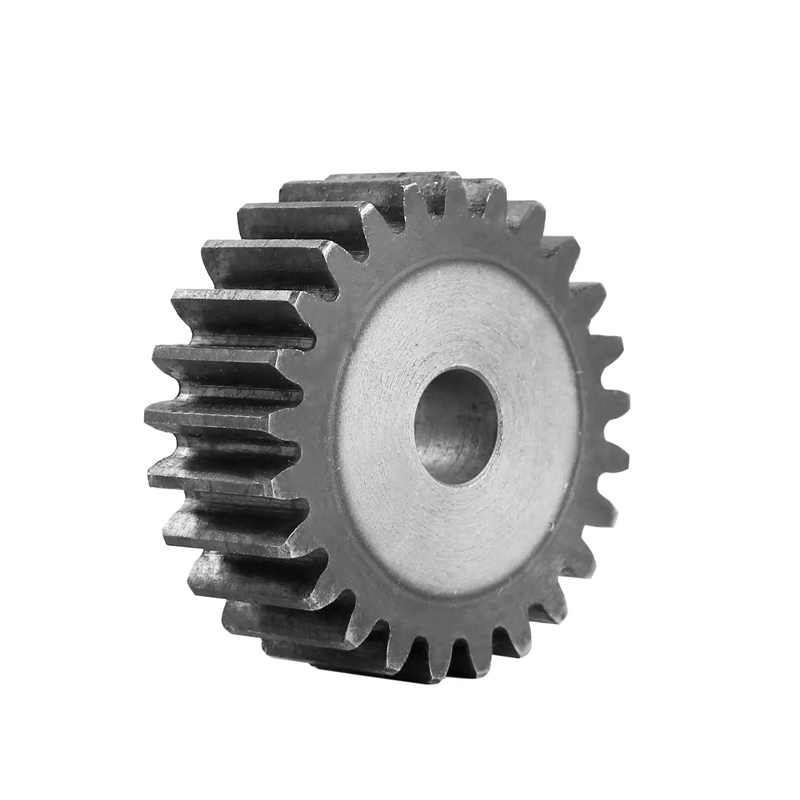
Surface heat treatment rack pinion gear is a mechanical transmission c...
See Details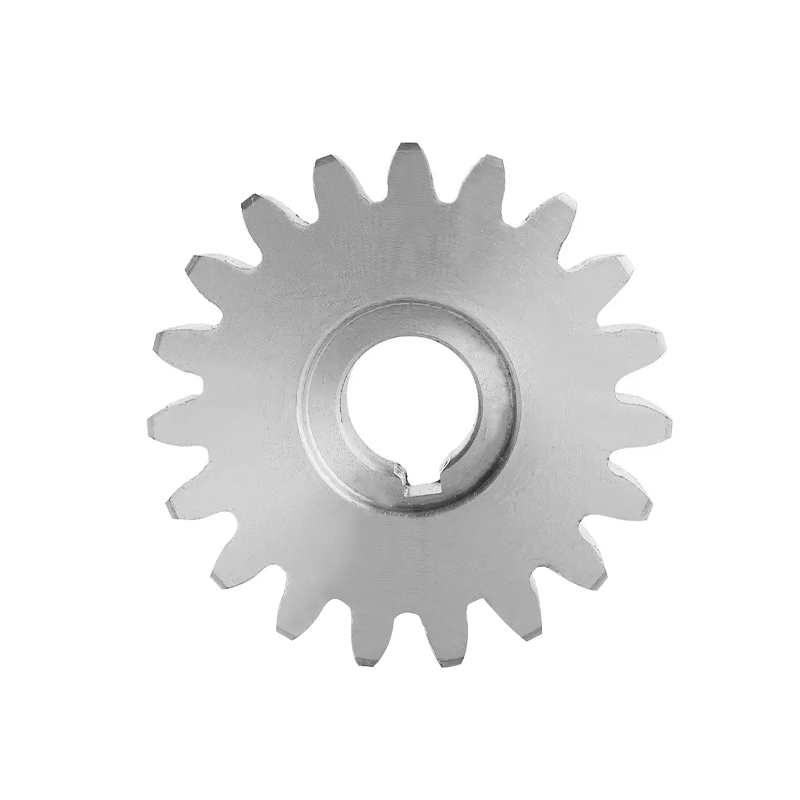
The Stainless Steel Rack Pinion Gear for Sliding Motors is a high-prec...
See Details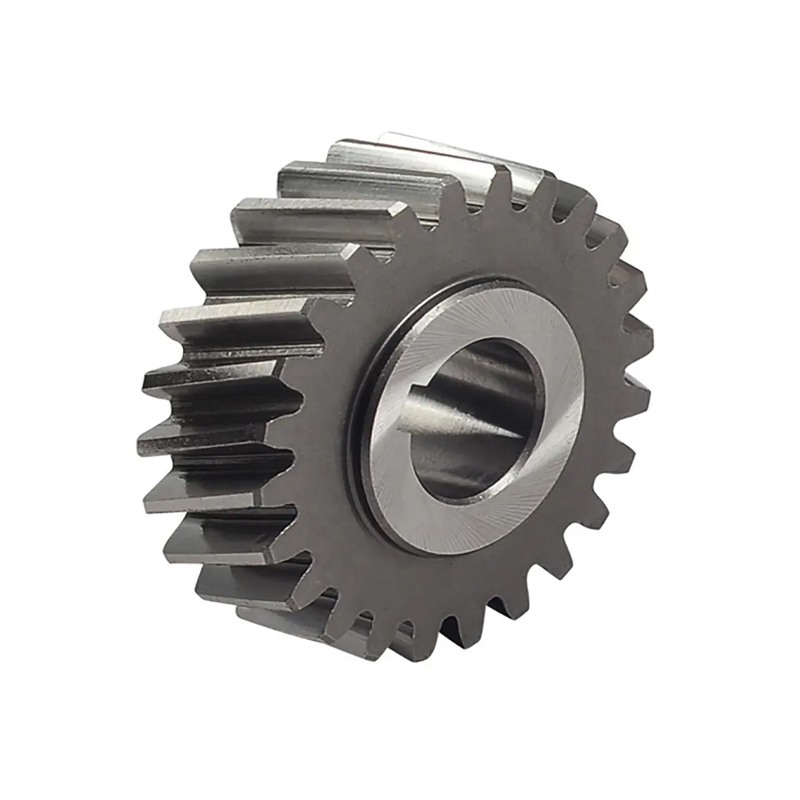
CNC machine tools sliding doors rack pinion gear is a mechanical trans...
See Details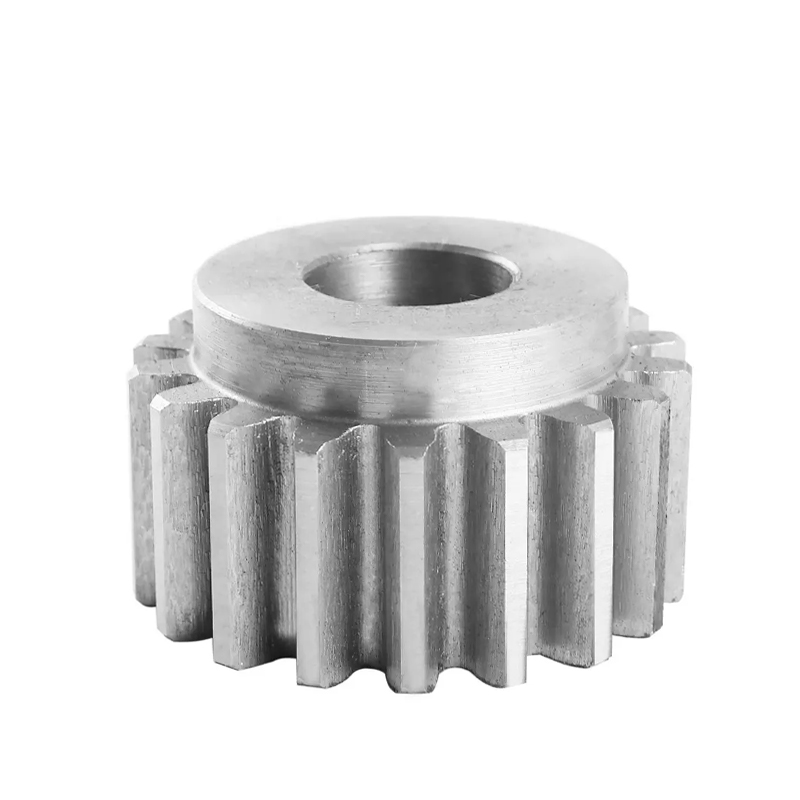
The High Precision Straight Teeth Rack Pinion Gear is a critical compo...
See Details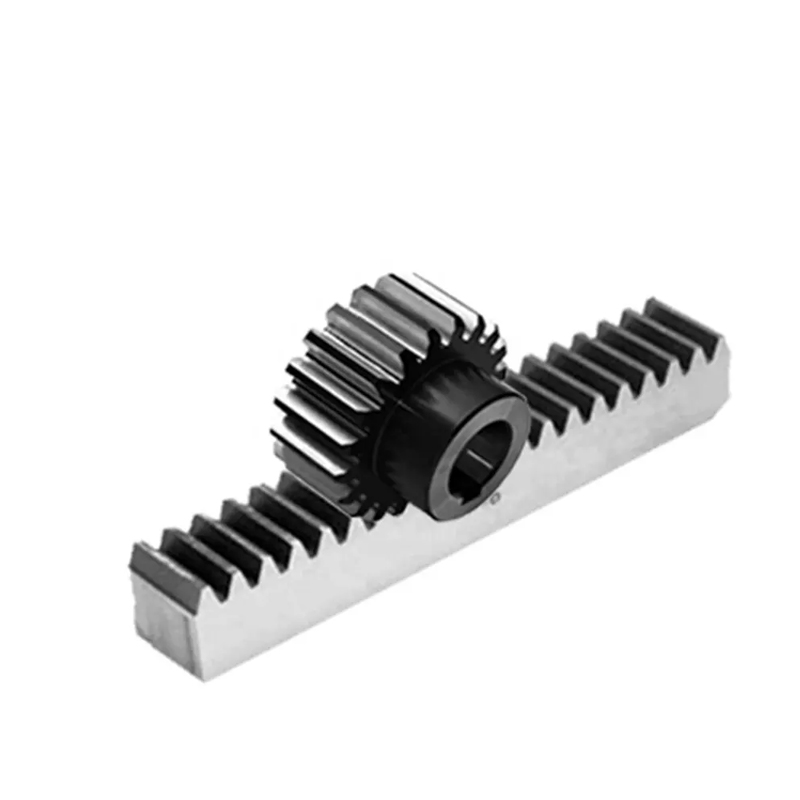
The Rack Pinion Gear for automatic door openers is a crucial component...
See Details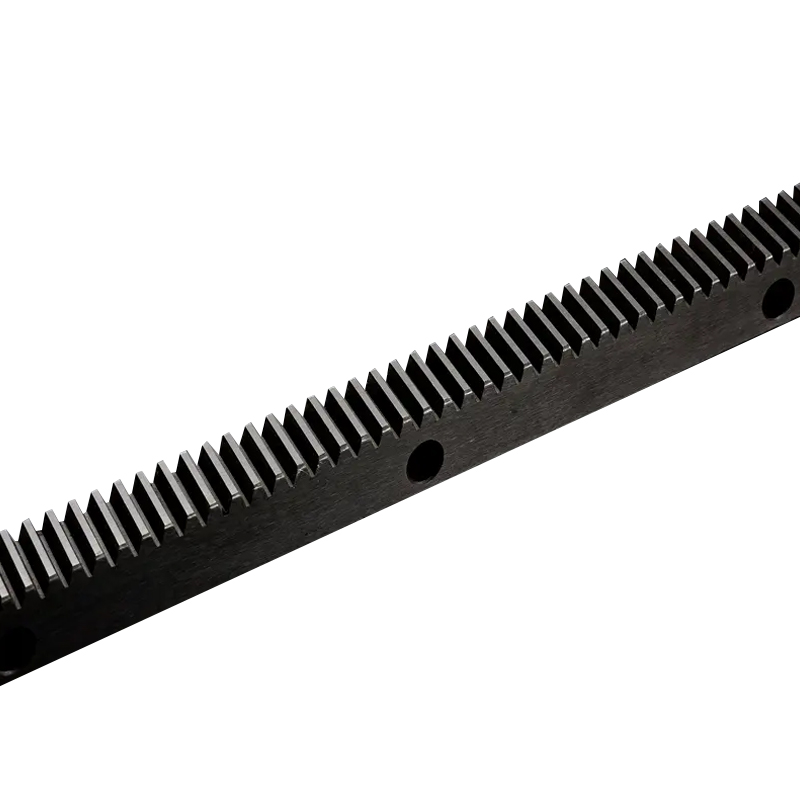
The Precision Durability Sliding Door Steel Gear Rack is a high-perfor...
See Details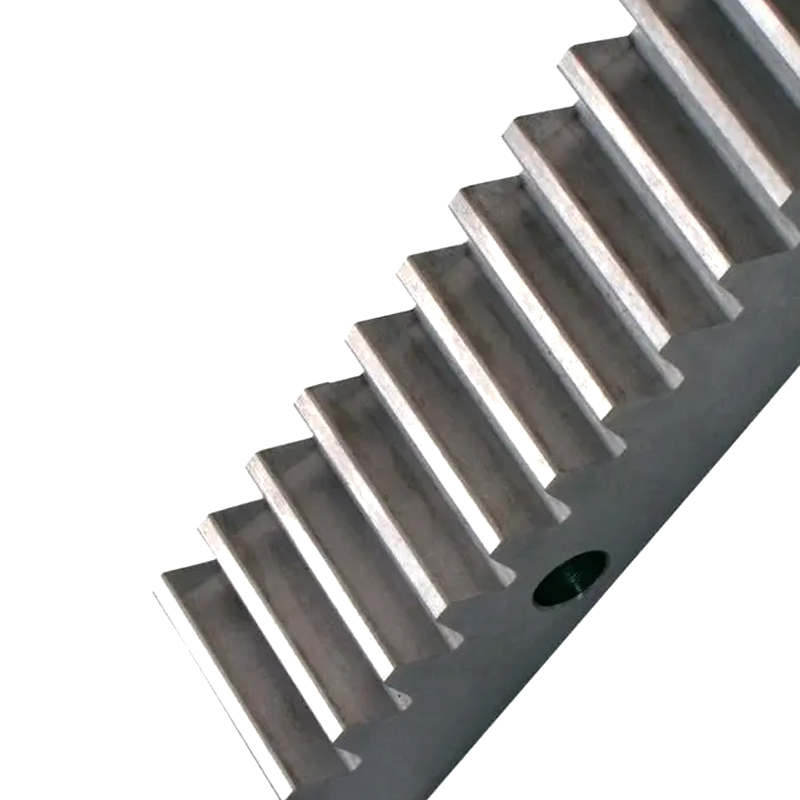
Lifts transmission systems helical gear rack is a key compo...
See Details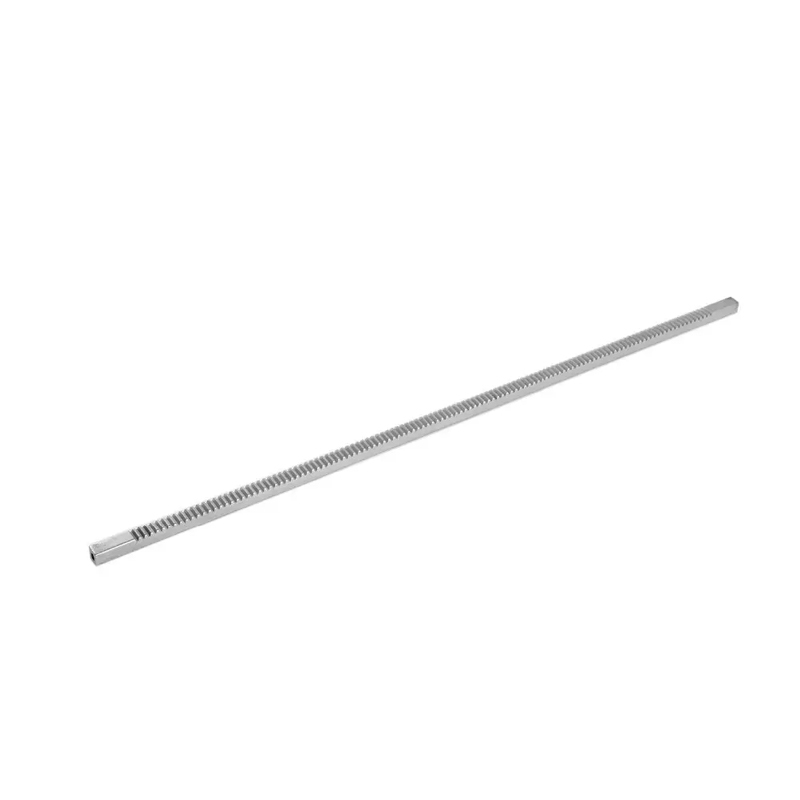
Industrial Wear-Resistant Straight Gear Rack is a linear transmission ...
See Details
