
 English
 русский
 Español
No. 200 Gaoxin RD, Shanghua St, Lanxi, Zhejiang, P. R China
Surface heat treatment rack pinion gear is a mechanical transmission c...
See DetailsChoosing between a Nylon Rack for Sliding Gate systems and a Stainless Steel Gear Rack is rarely straightforward — and getting it wrong tends to surface at the worst possible moment. A rack that corrodes under coastal humidity, wears unevenly against the pinion, or generates noise complaints in a residential complex creates problems that are expensive and time-consuming to fix after installation. The material decision carries consequences that extend well beyond the purchase price. Understanding where each option performs well, where it falls short, and what factors genuinely matter in different operating environments is what separates an informed specification from a costly assumption.
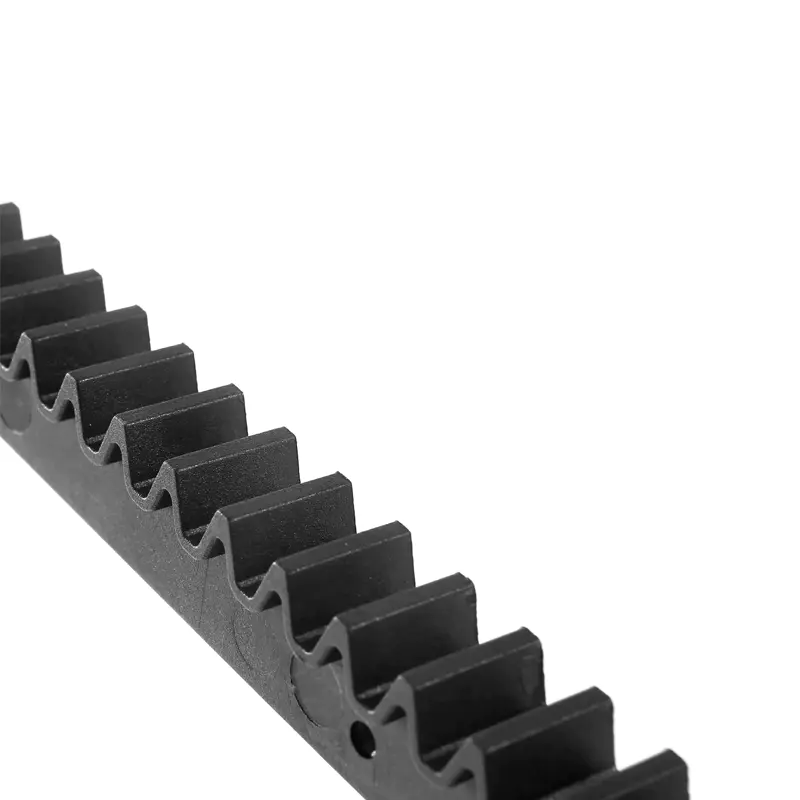
A gear rack is a linear toothed component that engages with a rotating pinion gear — typically attached to a gate motor — to convert rotational motion into linear movement. In a sliding gate system, the rack runs along the bottom or side of the gate, and the motor drives the gate open or closed through that engagement.
The mechanical relationship between the rack and pinion is continuous and repetitive. Every opening and closing cycle creates friction, load stress, and tooth engagement between the two components. Over thousands of cycles, the material properties of the rack — its hardness, flexibility, resistance to wear, and response to environmental conditions — determine how the system performs and how long it lasts.
A Nylon Rack and Pinion Gear arrangement behaves fundamentally differently from a steel rack and pinion under the same motor and gate weight. Nylon absorbs vibration and reduces noise; steel transmits force more rigidly. Nylon is unaffected by moisture; steel can corrode depending on grade and environment. These are not minor variations. They affect noise levels, motor load, maintenance requirements, and service life in ways that matter to installers, building managers, and end users.
The Nylon Rack for Sliding Gate applications has a set of properties that make it genuinely well-suited to certain operating conditions. It is not a compromise material — in the right context, it outperforms steel on several relevant criteria.
Key characteristics of nylon gear rack:
These properties combine well in Gate Rack Nylon applications where the gate weight is moderate, the cycle frequency is not extreme, and noise or corrosion is a significant concern.
Nylon is not suited to every application. Its mechanical properties — specifically its lower hardness and higher flexibility — create limitations under certain conditions:
Stainless Steel Gear Rack is the standard choice where load, durability, and mechanical precision are the primary requirements. Steel carries higher tooth loads without deformation, maintains tighter dimensional tolerances across temperature variations, and resists wear at the tooth surface under sustained high-frequency use.
For heavy industrial gates, high-traffic commercial entry systems, and any application where gate weight is significant, steel rack provides a level of mechanical reliability that nylon cannot consistently match.
Key characteristics of Stainless Steel Gear Rack:
Stainless steel is corrosion-resistant, but the degree of resistance depends on the grade. In standard environments, stainless steel performs reliably without surface treatment. In coastal settings or highly aggressive chemical environments, the grade specification matters considerably — and lower-grade stainless can still show surface oxidation over time.
This is worth noting because "stainless steel" covers a range of material compositions with different performance profiles. When specifying for harsh environments, confirming the material grade is not a minor detail.
| Performance Factor | Nylon Rack | Stainless Steel Gear Rack |
|---|---|---|
| Corrosion resistance | Naturally resistant, no treatment needed | Resistant, grade-dependent |
| Noise level | Low, absorbs vibration | Higher, transmits vibration |
| Load capacity | Suitable for light to medium gates | Suitable for heavy gates |
| Wear under high cycling | Moderate — can wear faster under load | Higher durability under sustained use |
| Weight | Light | Heavier |
| Temperature stability | Some softening at high temperatures | Stable across temperature range |
| Maintenance requirement | Low — self-lubricating | Periodic lubrication recommended |
| Installation complexity | Easier to handle and cut | Requires standard metalworking tools |
| Cost | Lower upfront cost | Higher upfront cost |
| Typical application | Residential, light commercial | Commercial, industrial |
Neither material is universally preferable. The right choice is determined by the specific combination of gate weight, cycling frequency, environment, noise tolerance, and budget that applies to each project.
In locations near the coast, near industrial water sources, or in regions with sustained high humidity, corrosion is a primary concern for any metal component. Stainless steel performs well in these conditions relative to other metals, but nylon outperforms it on this dimension without any additional specification effort.
A Gate Rack Nylon installation in a coastal residential property removes one maintenance variable entirely — there is no corrosion to monitor, no surface treatment to maintain, and no risk of rust staining on adjacent surfaces. For property managers or installers working in these environments, that simplicity has tangible value.
Industrial environments introduce different stresses. Dust, grit, and debris enter the rack-and-pinion engagement zone and act as abrasives. Under these conditions, nylon tends to wear faster than steel because its softer surface is more susceptible to abrasive damage.
Steel gear rack, properly lubricated and sealed where possible, handles abrasive environments with greater resilience. For factory entry systems, construction site gates, or agricultural facility entrances, steel is typically the more durable choice.
Noise is frequently underweighted in gear rack selection — until it becomes a complaint. In residential complexes, gated communities, and properties where the gate operates near sleeping areas or shared spaces, the noise generated by rack-and-pinion engagement is a real quality-of-life factor.
A Nylon Rack and Pinion Gear arrangement operates noticeably more quietly than a steel equivalent under the same motor and gate weight. The difference is audible and consistent. For residential applications where gate noise has been raised as a concern or where it is reasonably anticipated, nylon offers a practical acoustic advantage that steel cannot replicate without additional isolation measures.
The rack and pinion relationship is not just about the rack — it involves the motor and pinion that drives it. Some gate motors are specifically designed or calibrated for nylon rack engagement, where the tooth profile geometry and engagement force expectations are different from a steel rack system.
Before switching rack materials on an existing installation — or specifying a new system — it is worth confirming:
Mismatched rack and pinion materials or profiles can accelerate wear on both components and produce engagement issues that look like rack failures but are actually compatibility problems.
Gear racks are specified by tooth module — a measure of tooth size that determines whether a rack and pinion will engage correctly. Both nylon and steel racks are available in standard modules, and the module must match the pinion for the system to work.
When sourcing replacement racks or upgrading from one material to another, confirming the module specification before purchasing avoids a common installation problem. A nylon rack and a steel rack with the same module will both engage the same pinion — but differences in tooth profile tolerance between manufacturers can still affect engagement smoothness and wear pattern.
Nylon rack costs less per unit than stainless steel gear rack under typical market conditions. That purchase price gap is real. But it represents only one factor in the total cost over a gate system's service life.
A more complete cost comparison considers:
No single cost calculation applies universally. The relevant inputs vary by installation type, environment, and use pattern.
For gates operating in high-frequency commercial or industrial contexts, the longer tooth life and mechanical durability of stainless steel typically justify the higher purchase price. Replacing a rack on a gate that cycles dozens of times per day is a more significant maintenance event than replacing one on a gate that cycles a few times daily.
In these contexts, steel's longer service interval under load reduces the total number of replacement events over the gate's operational life — which, when labor and disruption costs are included, often makes the steel option the lower-cost choice over any meaningful time horizon.
Rather than defaulting to one material or the other, a structured set of questions tends to produce more reliable selection decisions:
Working through these questions systematically produces a specification that is grounded in the project's actual requirements rather than general material preference.
Some gate systems use nylon rack in one zone and steel in another — for example, a long gate run where corrosion exposure varies along the length, or where noise reduction is critical near one end of the gate travel but not the other. This is not typical, but it is a viable configuration where the specific conditions justify the additional complexity.
More commonly, a clear single-material specification emerges from the selection process — and that clarity is worth pursuing before installation rather than discovering material limitations after the system is in service.
Rack material selection for sliding gate systems is one of those decisions that looks straightforward until the wrong choice creates a problem in the field. A nylon rack in a heavy industrial installation, or a steel rack in a coastal residential complex specified without adequate attention to corrosion management — both are avoidable specification errors with predictable consequences. The comparison between Nylon Rack and Pinion Gear systems and steel equivalents is not a question of which material is generally better. It is a question of which material fits the specific combination of load, environment, noise tolerance, maintenance capacity, and cost structure that applies to a given project. Getting that match right requires asking the right questions at the specification stage, not making material assumptions based on price or habit. Zhejiang Luxin Door Operation Equipment Co., Ltd. supplies both nylon and Stainless Steel Gear Rack solutions across a range of module specifications and gate system configurations. Reaching out directly with project-specific requirements — gate weight, cycle frequency, environment, motor specification — is the practical path to a rack specification that performs reliably over the full service life of the installation.
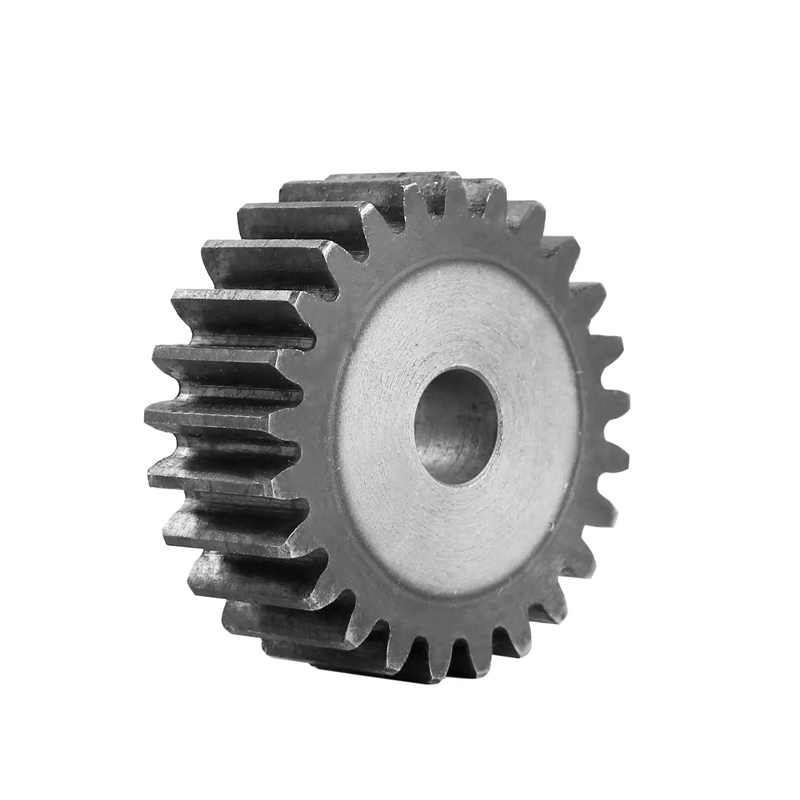
Surface heat treatment rack pinion gear is a mechanical transmission c...
See Details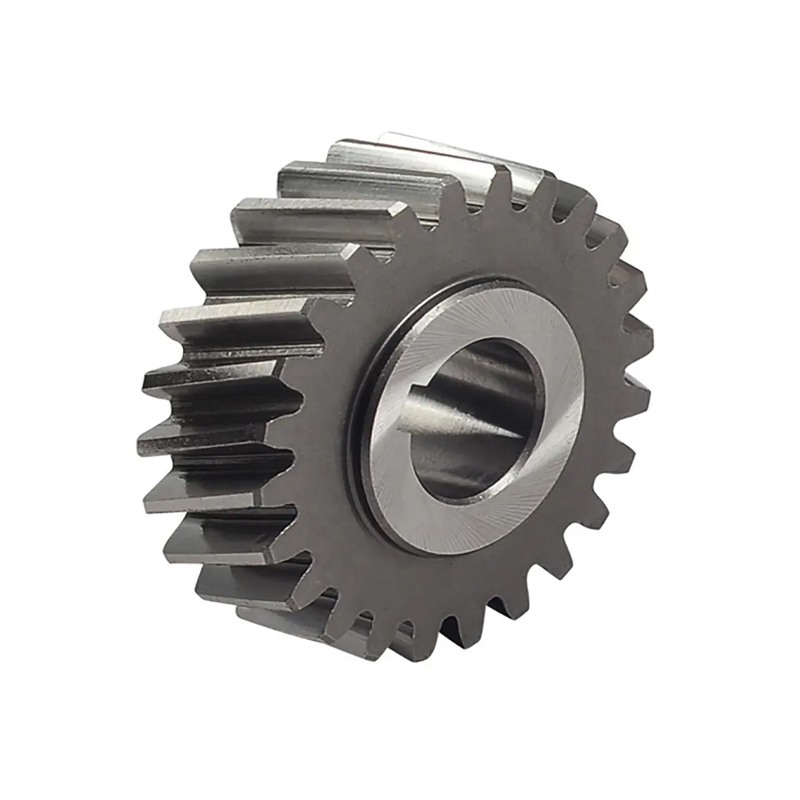
CNC machine tools sliding doors rack pinion gear is a mechanical trans...
See Details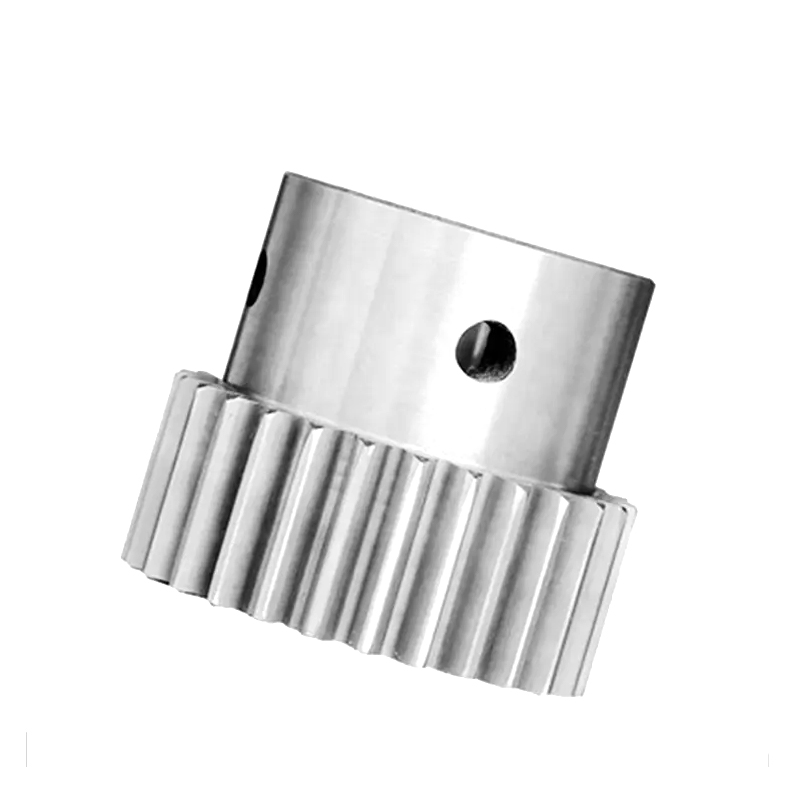
The Stainless Steel Stepped Rack Pinion Gear is a highly versatile and...
See Details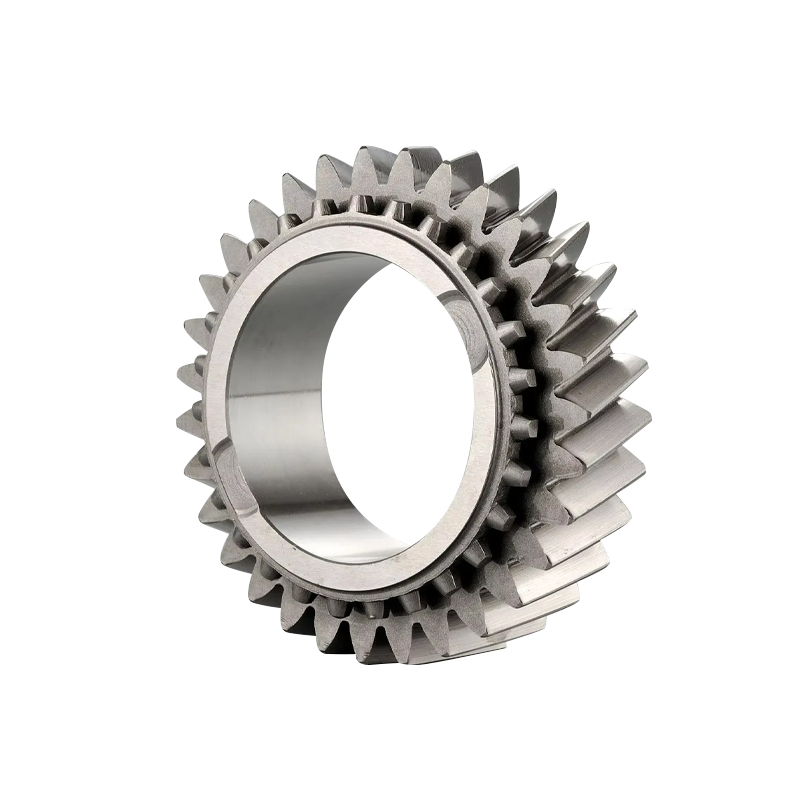
The Gearbox Transmission Rack Pinion Gear system is a critical mechani...
See Details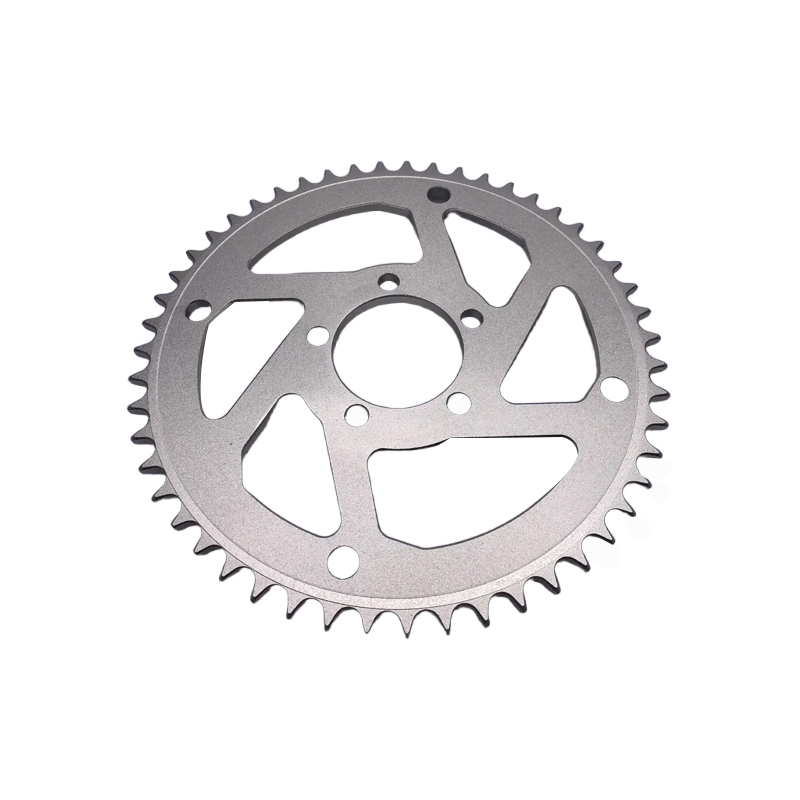
The sprocket drive wheel rack pinion gear is a critical component in v...
See Details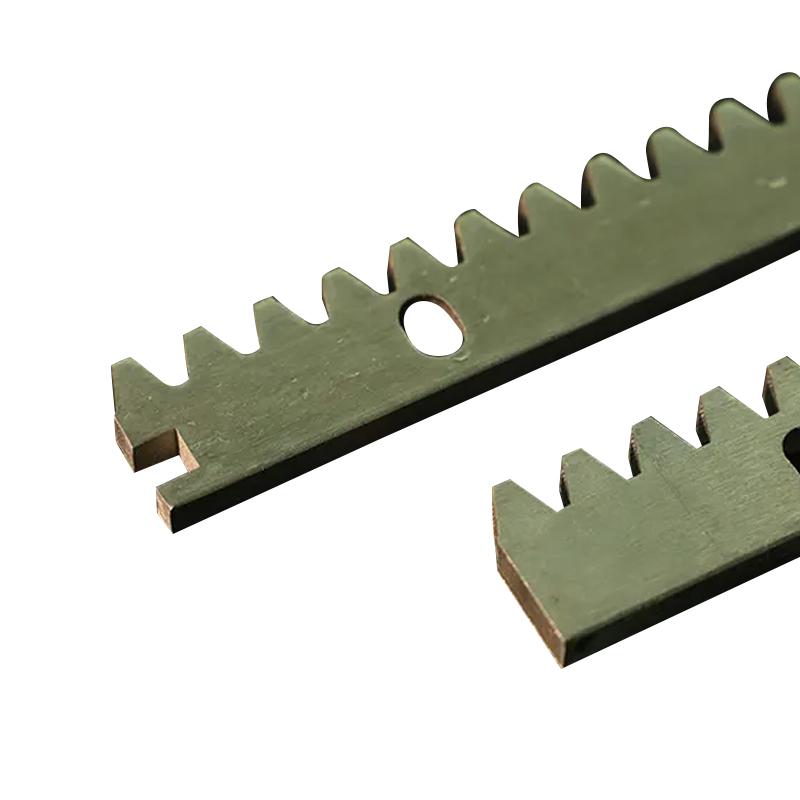
The Metal Steel Gear Rack for Sliding Door Operators is a crucial comp...
See Details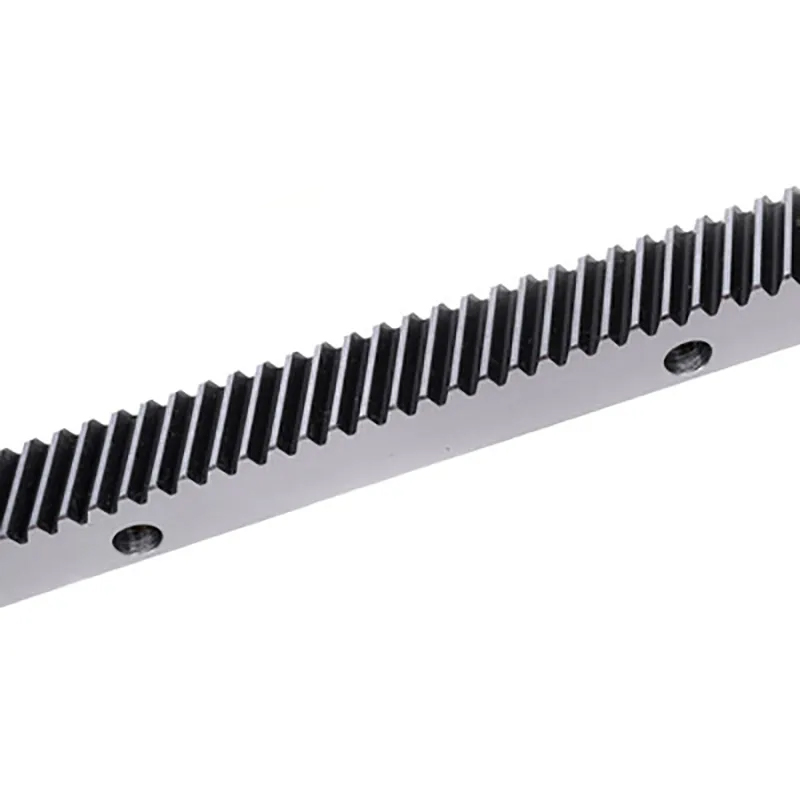
The CNC machining helical gear rack is a critical component in various...
See Details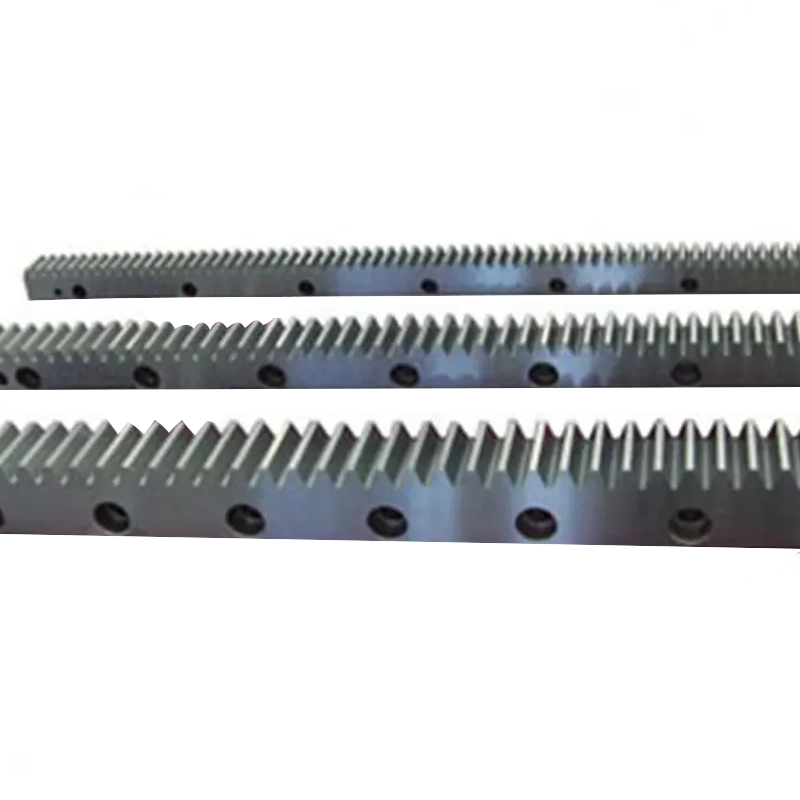
The Spiral Cone Various Specifications Helical Gear Rack is a type of ...
See Details
