
 English
 русский
 Español
No. 200 Gaoxin RD, Shanghua St, Lanxi, Zhejiang, P. R China
The Stainless Steel Rack Pinion Gear for Sliding Motors is a high-prec...
See DetailsSliding gate systems that operate without problems for years rarely do so by accident. The rack — whether nylon or steel — is a mechanical component under repeated load, exposed to outdoor conditions, debris accumulation, and the gradual wear that comes from continuous motor engagement. When maintenance is treated as a reactive activity rather than a scheduled one, small developing issues are missed until they become operational failures. A gate that skips under load, a motor that strains harder than it should, teeth that have worn unevenly without anyone noticing — these are the results of deferred attention, not of inherently short product life. A Nylon Rack for Sliding Gate system maintained with some regularity and material-specific understanding will typically outlast one that receives no attention, even if both started as identical products.
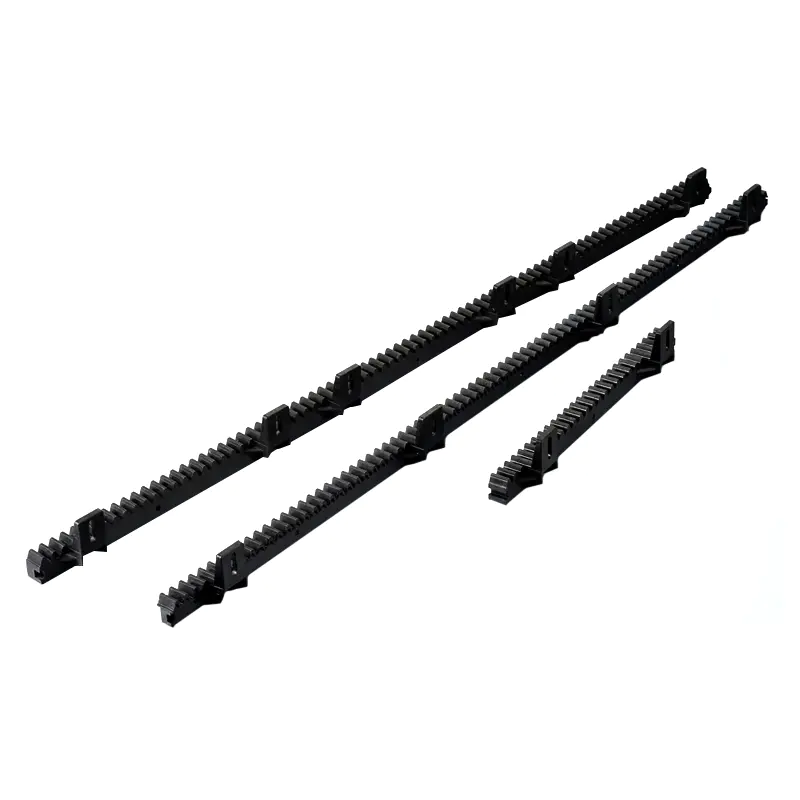
A sliding gate has many components — motors, wheels, guides, control systems, limit switches — and each has its own service requirements. The rack occupies a specific position in this system: it is the component that translates every motor rotation into gate movement, absorbing the thrust force of the pinion across the full travel distance, in both directions, every time the gate operates.
This means the rack accumulates mechanical wear in a way that structural or electronic components do not. The wear is gradual and invisible until it crosses a threshold — at which point tooth engagement becomes inconsistent, the motor works harder to compensate, and the system begins to show audible and operational signs of distress. Catching the early stages of this progression through regular inspection is what maintenance achieves.
One of the more important distinctions in rack maintenance is that nylon and steel components degrade through different mechanisms, which means their maintenance requirements differ in meaningful ways. A maintenance routine designed for a stainless steel gear rack will not be appropriate for a nylon rack and pinion system — and applying the wrong approach, particularly around lubrication, can actually accelerate failure rather than prevent it.
Understanding how each material ages, and what that means for how it should be maintained, is the starting point for any useful maintenance strategy.
Engineering nylon compounds used in gate racks — typically glass-reinforced polyamide formulations — have inherent low-friction surface properties that reduce the need for applied lubrication at the pinion contact zone. This self-lubricating characteristic is one of the practical advantages of nylon rack and pinion systems over all-steel alternatives.
However, self-lubrication means the component generates less friction on its own, not that it is impervious to wear or contamination. Abrasive debris — sand, grit, dried dirt — that accumulates in the tooth profile will increase wear at the contact surface regardless of the nylon's surface properties. The debris acts as a grinding medium between the rack tooth and the motor pinion, accelerating material loss at the points that bear heavy load.
Regular cleaning of the tooth profile removes this debris before it contributes to wear. The maintenance interval depends on the installation environment: a gate in a dusty agricultural or industrial setting requires more frequent cleaning than one in a sheltered suburban driveway.
Outdoor nylon rack installations face a degradation mechanism that steel racks do not: ultraviolet radiation gradually breaks down the polymer surface, making it more brittle over time. In compounds without UV stabilizers, this process accelerates tooth root cracking — the tooth base is the point of high stress during engagement, and embrittlement there makes the teeth progressively more vulnerable to fracture under load.
Maintenance inspection for gate rack nylon components should include a periodic surface assessment, not just a mechanical function check. Signs of UV degradation visible to the eye include:
A rack showing early UV degradation symptoms can often continue in service for a time with more frequent inspection intervals. One showing advanced cracking at tooth roots should be replaced before a tooth fractures and causes motor damage or a gate stoppage at a critical time.
Stainless steel gear rack components resist corrosion considerably better than carbon steel alternatives, but the resistance is not absolute. In coastal environments with salt air, in industrial settings with chemical exposure, or wherever the protective surface layer is mechanically damaged, corrosion can establish and progress.
Maintenance for steel racks centers on monitoring for corrosion initiation and maintaining surface conditions that prevent its progression:
Early-stage corrosion on stainless steel can often be arrested with cleaning and appropriate surface treatment. Advanced pitting that has penetrated the surface creates stress concentration points in the rack material that accelerate fatigue failure under cyclic loading.
Unlike nylon rack systems, steel-on-steel or steel rack with metal pinion engagement benefits from periodic lubrication to reduce contact friction and slow tooth wear. The lubrication approach requires some care:
Over-lubricated steel racks in outdoor settings are a common maintenance mistake. The visible accumulation of dirty grease in tooth spaces is an indicator that lubrication is being applied too frequently or in excessive quantity.
The geometric relationship between the rack and the motor pinion — the engagement depth and parallelism of the rack relative to the pinion axis — is set during installation. Over time, several factors can shift this relationship: gate wheel wear that changes the gate's running height, mounting fastener loosening that allows rack position to drift, building or post movement that shifts the gate track, and accumulated debris under the rack mounting surface that lifts sections unevenly.
Misalignment at the rack-to-pinion interface produces characteristic symptoms:
Periodic alignment checks — verifying that the rack is at the correct height relative to the pinion, that it is straight along its full length, and that mounting fasteners are secure — catch these developing conditions before they progress to component damage.
A field alignment check does not require specialist equipment. It requires methodical observation and the willingness to act on what the check reveals.
Steps for a practical alignment check:
| Operating Context | Cleaning Frequency | Inspection Frequency | Lubrication (Steel Rack) | Alignment Check |
|---|---|---|---|---|
| Residential, sheltered, low cycle | Every few months | Every six months | Once or twice per year | Annually |
| Residential, exposed, moderate cycle | Monthly | Every three months | Every two to three months | Every six months |
| Commercial, moderate traffic | Monthly | Monthly | Monthly | Every three months |
| Industrial, high cycle, dusty | Weekly or bi-weekly | Monthly | Every two to four weeks | Monthly |
| Coastal or chemical exposure | Monthly | Monthly | More frequent, with corrosion check | Every three months |
These intervals are starting points rather than fixed prescriptions. A system that shows wear indicators earlier than the schedule anticipates should be moved to a more frequent interval. One that consistently shows clean, undamaged teeth and proper alignment at inspection can reasonably extend its interval in stable conditions.
Changes in the acoustic profile of a sliding gate system are often the earliest observable indicator of a developing mechanical problem. Gate systems that have operated smoothly for years develop a recognizable sound — any deviation from that baseline is worth investigating before the next scheduled maintenance visit.
Sounds that warrant prompt inspection:
None of these sounds should be accepted as normal variation. They each point toward a specific maintenance or inspection action.
Regular inspection builds familiarity with the rack's condition, making it easier to recognize when wear has crossed a threshold that warrants planning for replacement rather than continuing routine maintenance.
Indicators that a nylon rack and pinion gear system or steel rack is approaching the end of its service life:
Planning replacement before a component fails completely avoids the scenario of an unplanned gate stoppage in a security-sensitive or operationally critical location.
The outdoor environment that many sliding gates operate in is not static. Season changes, weather patterns, and the specific characteristics of each installation site all affect how quickly a rack accumulates wear and what specific maintenance attention it needs.
High rainfall environments: water that pools in the gate track or runs along the rack body creates conditions for accelerated corrosion in steel racks and promotes debris adhesion in nylon racks. Ensuring that the rack and track have adequate drainage — and that debris is not accumulating in water-retaining configurations — is a site-specific maintenance consideration.
High UV locations: installations in regions with strong solar radiation year-round face accelerated UV degradation of nylon rack components. More frequent surface inspection and a shorter planned replacement interval are appropriate responses.
High dust or agricultural environments: dust that settles on rack tooth surfaces creates abrasive conditions at every engagement cycle. Weekly cleaning in these environments is not excessive — it directly reduces tooth wear and extends the interval before replacement is needed.
Cold climates with freeze-thaw cycles: water that penetrates into mounting surfaces or rack body cracks expands on freezing and can accelerate mechanical damage. Autumn inspections that address any developing cracks or surface penetrations before a freeze prevent this mechanism from compounding wear during winter.
The rack and pinion interaction is one element of a mechanical system. Maintaining the rack in good condition while neglecting adjacent components — the gate wheels, the motor mounting, the track surface — produces an incomplete result. A gate wheel that has worn flat changes the gate's running height, which shifts the rack-to-pinion engagement geometry. A motor mounting that has loosened allows the pinion to move laterally relative to the rack. These interactions mean that rack maintenance works effectively when it is part of a broader service visit that covers the whole system.
A practical combined service visit for a sliding gate system covers:
A service visit that covers all of these in a single scheduled call takes a fraction of the time that individual reactive responses to failures require, and it produces a more stable system over time.
The service life of a sliding gate rack — whether a gate rack nylon system or a stainless steel gear rack — is not fixed at the point of manufacture. It is significantly shaped by how the component is maintained across its operating life. Racks that are cleaned regularly, inspected for early wear and alignment drift, and given material-specific attention in terms of lubrication or UV monitoring will outlast identical products in neglected installations by a considerable margin. The costs involved in a structured maintenance program are modest compared to those of unplanned replacement and the operational disruption that accompanies it. For maintenance teams, property managers, and installation companies managing multiple gate systems, building this structured approach into a scheduled service framework — rather than responding only when gates stop working — is the operational decision with the clearest return. Zhejiang Luxin Door Operation Equipment Co., Ltd. manufactures Nylon Rack for Sliding Gate systems and related gate drive components with production specifications designed for extended outdoor service life, and their technical team can provide product-specific maintenance guidance and replacement scheduling support for installation companies and distributors managing gate system portfolios at scale.
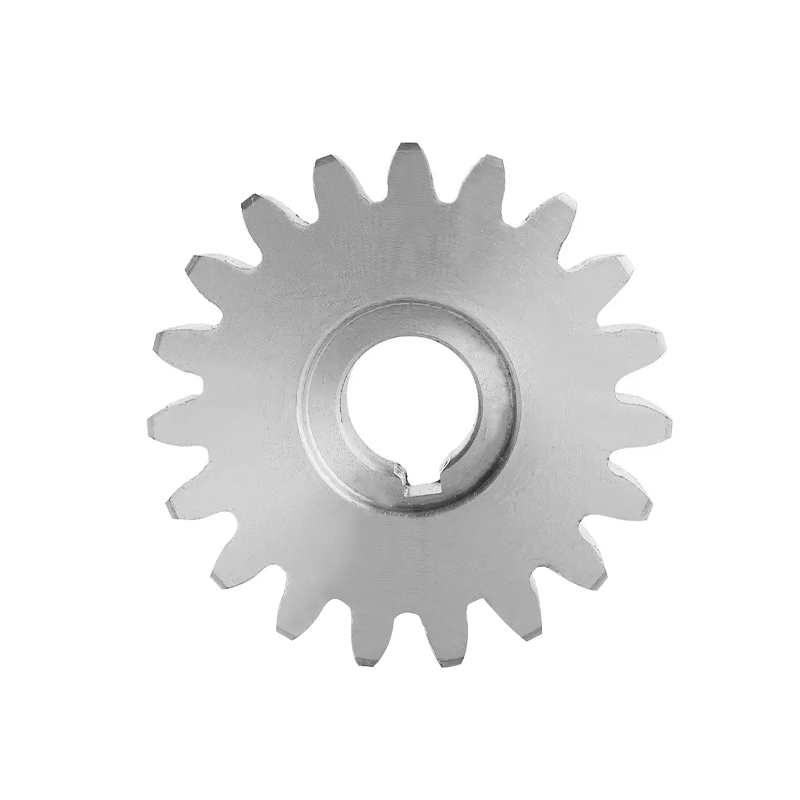
The Stainless Steel Rack Pinion Gear for Sliding Motors is a high-prec...
See Details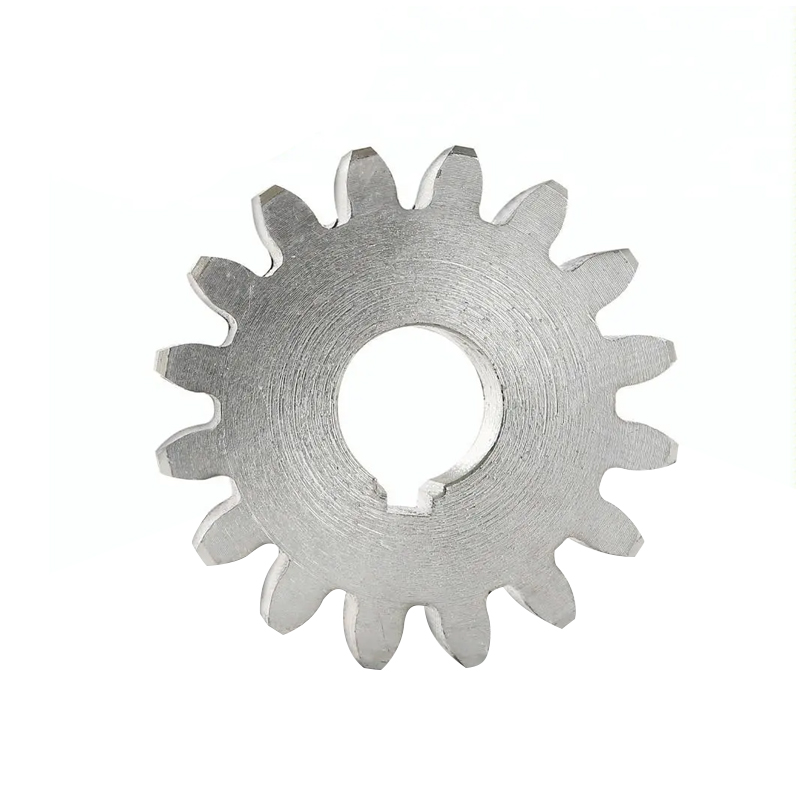
The Smooth Surface High Precision Rack Pinion Gear is a high-performan...
See Details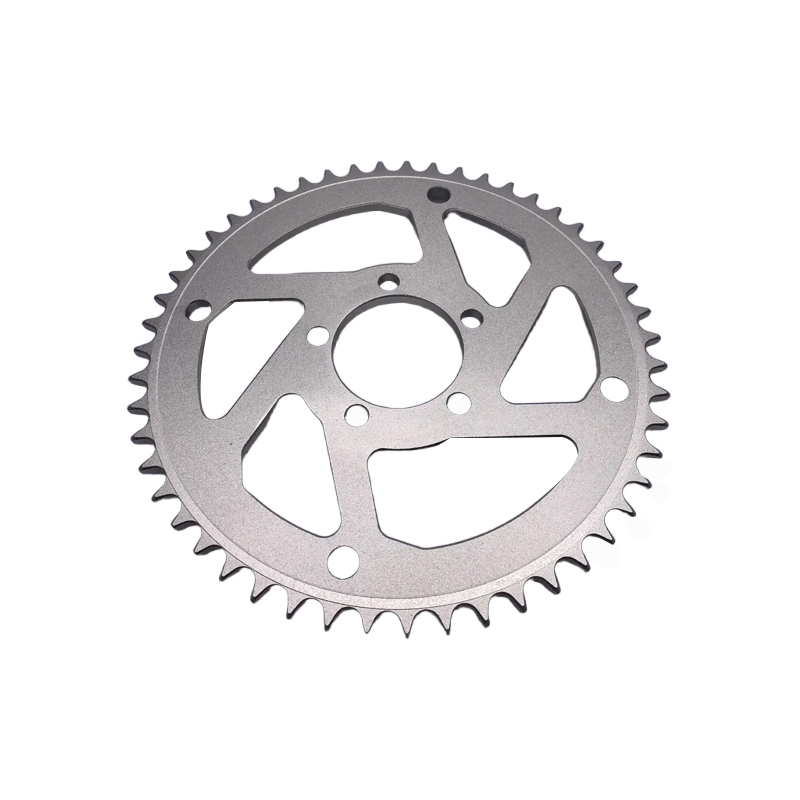
The sprocket drive wheel rack pinion gear is a critical component in v...
See Details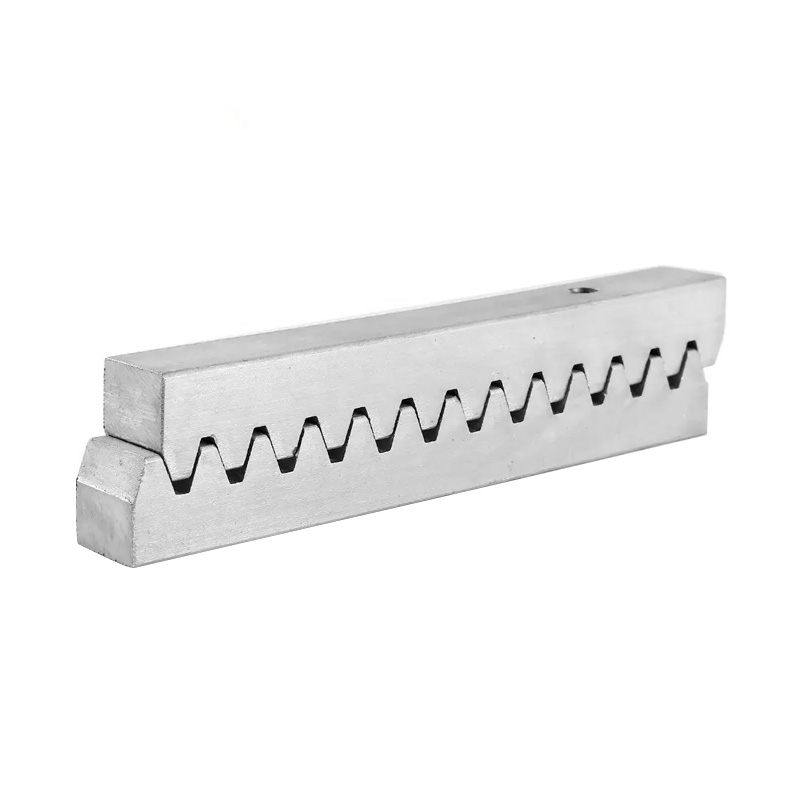
Sliding doors are a popular choice for both residential and commercial...
See Details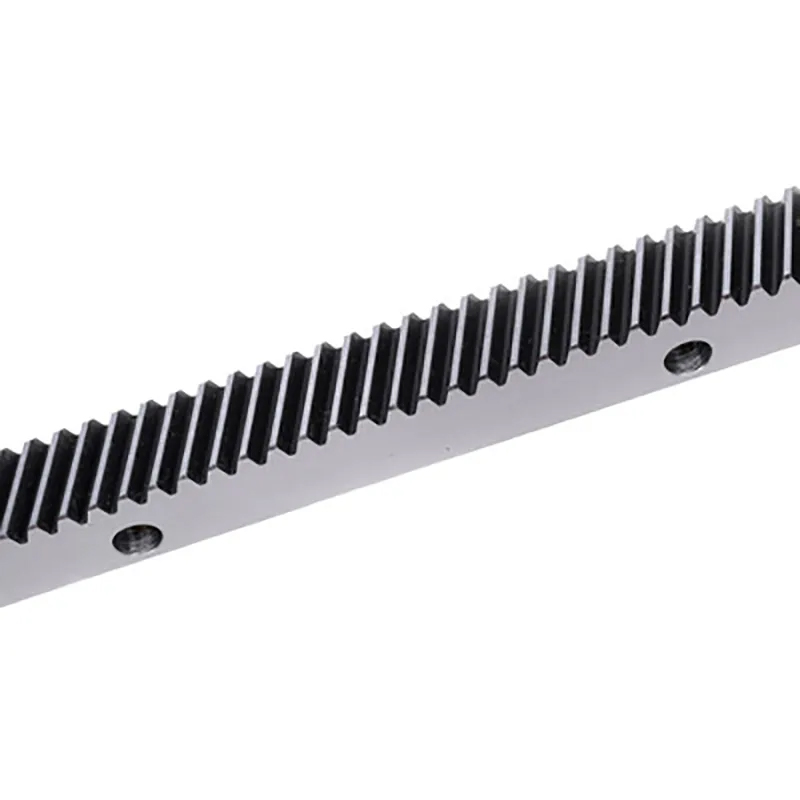
Precision and stainless steel gear racks convert rotational motion int...
See Details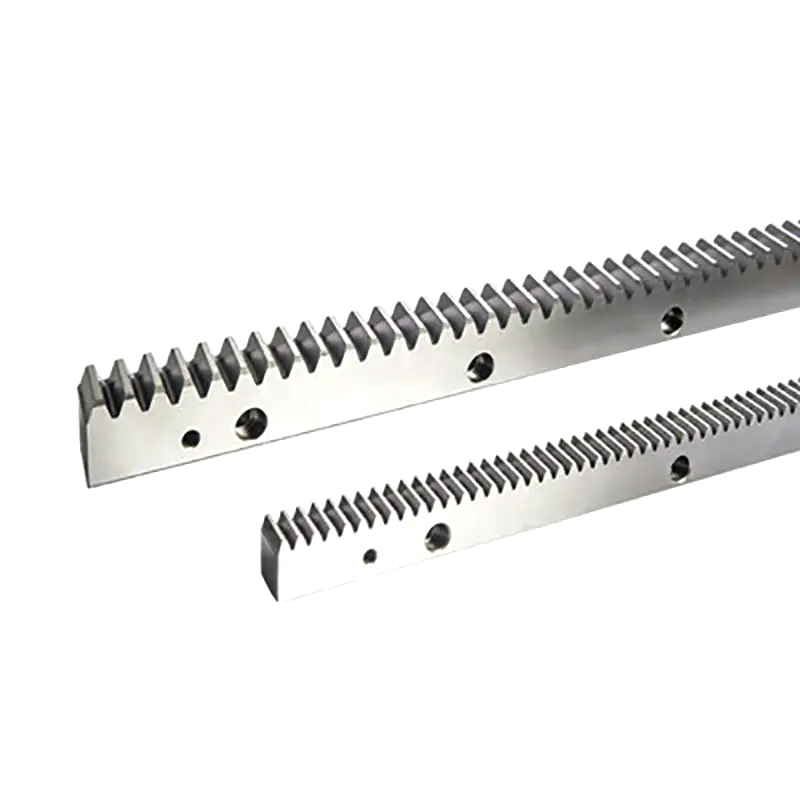
The Widely Used Operational Sliding Door Steel Gear Rack is a critical...
See Details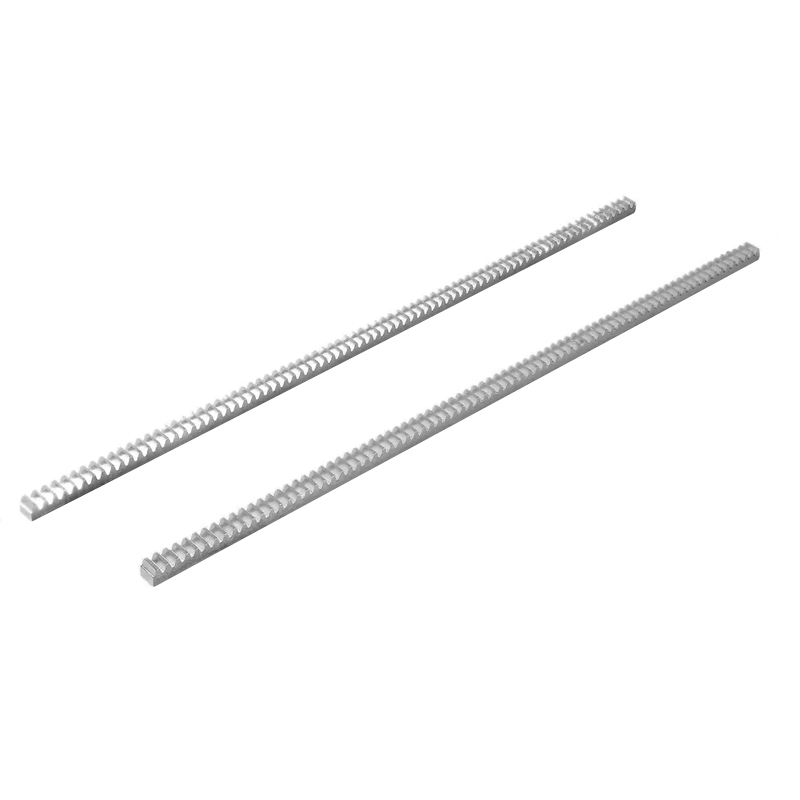
This stainless steel gear rack is the main hardware piece that makes s...
See Details
This square Linear Gear Rack has evenly spaced straight teeth down its...
See Details
