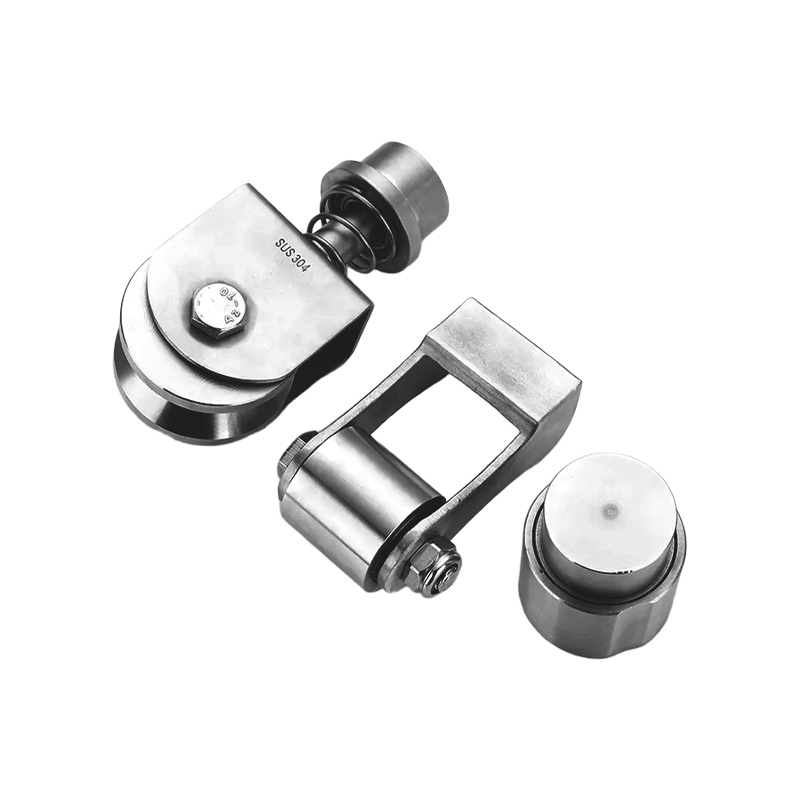
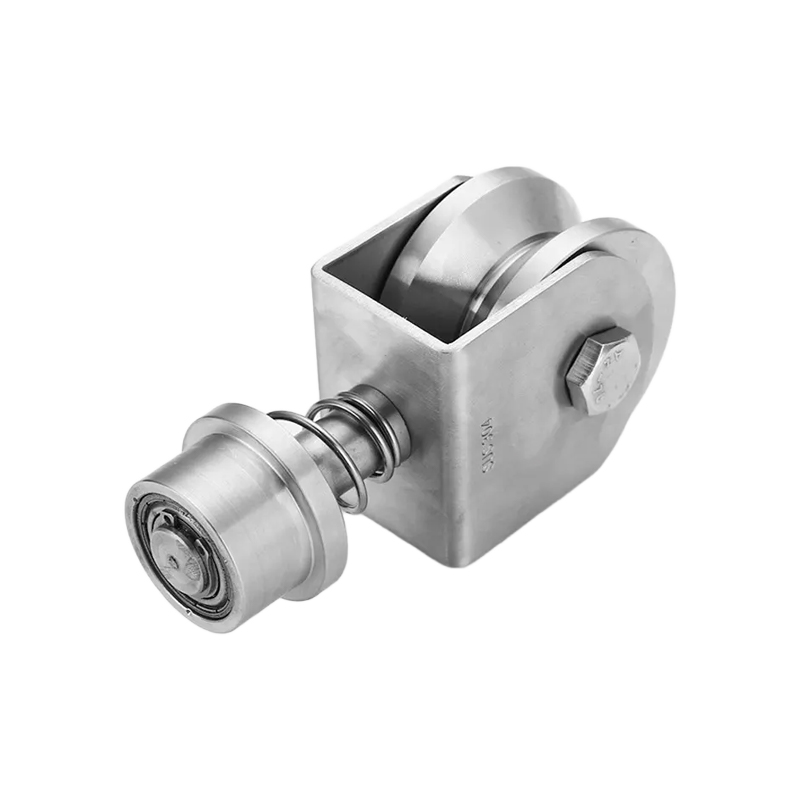
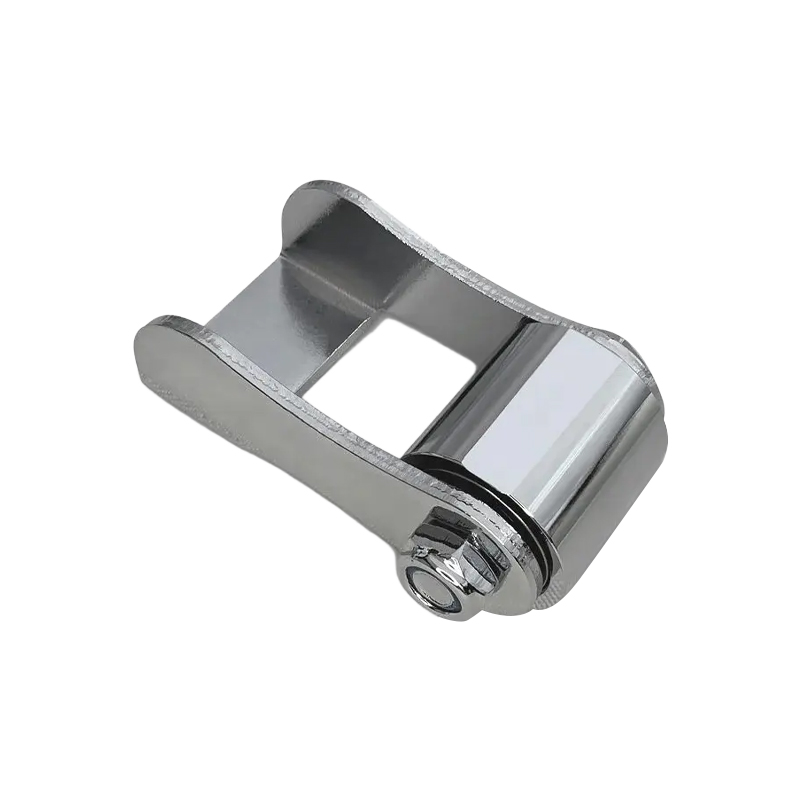
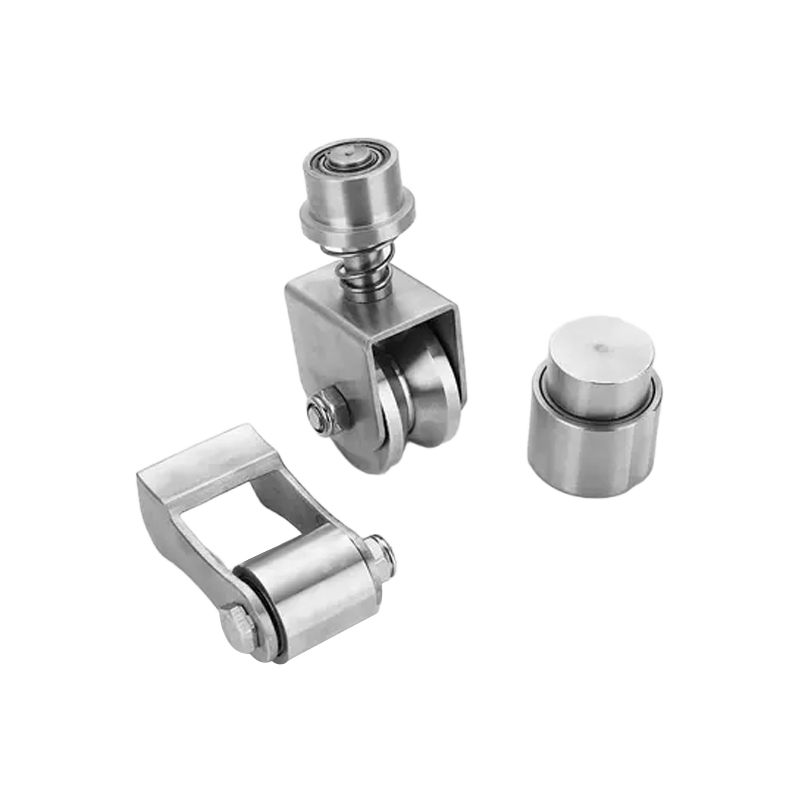
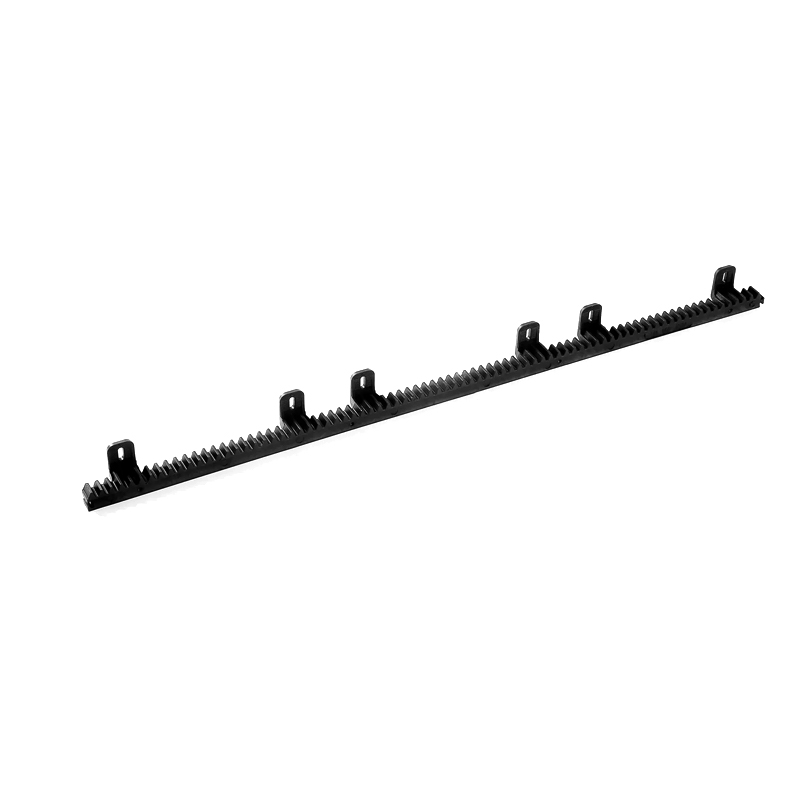
Flexible Bearings Brackets Welded Bearing Hinge
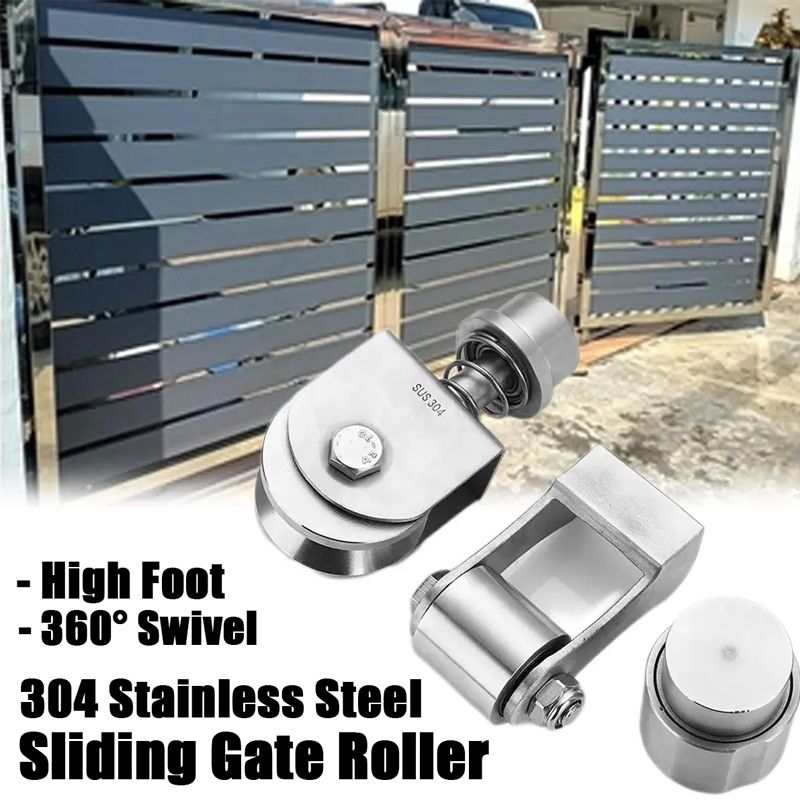
A flexible bearings brackets welded bearing hinge is basically a heavy-duty hinge setup used in equipment where parts need to swing or rotate, but still stay supported under load. It's not the kind of hinge you think about on a door at home. This one shows up more in machinery, frames, covers, and industrial assemblies where things move repeatedly and can't afford to get loose over time.In real use, it does a simple job: keeps movement controlled while taking some stress off the structure. The “flexible” part is not about being weak—it just means the hinge can tolerate slight alignment changes without jamming or cracking the system.For buyers, it's usually a practical decision. If the structure moves and carries weight, this type of hinge is often what ends up being used.
Material and Quality
Most of these hinges are made from carbon steel or stainless steel. Carbon steel is common when the environment is stable and cost matters more. But when moisture, cleaning, or outdoor exposure comes into play, Stainless Steel Bearing Hinges are usually the safer choice.
Steel quality really matters here, even if the part looks simple. If the material is inconsistent, you'll see it later in welding strength or in how smoothly the bearing turns. That's why most stable suppliers stick to known steel mills instead of switching materials too often.
In practice, buyers don't usually ask for anything fancy—they just want the hinge to hold up after repeated use without loosening or deforming.
Manufacturing Process
The process is pretty straightforward, but there are a few points where experience makes a difference.First, steel plates or cut parts are prepared based on drawings. Then the bracket shape is formed, depending on how the hinge will be mounted.After that comes welding. This is one of those steps where small mistakes show up later. If the weld isn't even, the hinge might twist slightly or feel stiff when it rotates.Once welding is done, the part is cleaned up—sometimes ground smooth if needed. Then the bearing section is assembled or fitted, depending on the design.Stainless versions usually get a bit more surface treatment to help with corrosion resistance. Nothing complicated, just enough to make them last longer in tougher environments.Before packing, basic checks are done: rotation feel, alignment, weld condition, and dimensions. It's not over-engineered inspection—just making sure everything moves the way it should.
Applications
You'll find this type of hinge in a lot of industrial equipment. Machinery doors, protective covers, machine frames, conveyor structures, and custom-built assemblies are the usual places.In some setups, it's used where standard hinges just aren't strong enough or don't give enough stability. The bracket structure helps spread the load, so the movement doesn't stress one single point too much.It's also pretty common in maintenance work. A lot of buyers aren't building new systems—they're replacing worn-out parts. In those cases, matching the old dimensions matters more than anything else.For outdoor equipment or environments with moisture, Stainless Steel Bearing Hinges tend to be used more often simply because they handle corrosion better and don't require as much upkeep.
Buyer Considerations
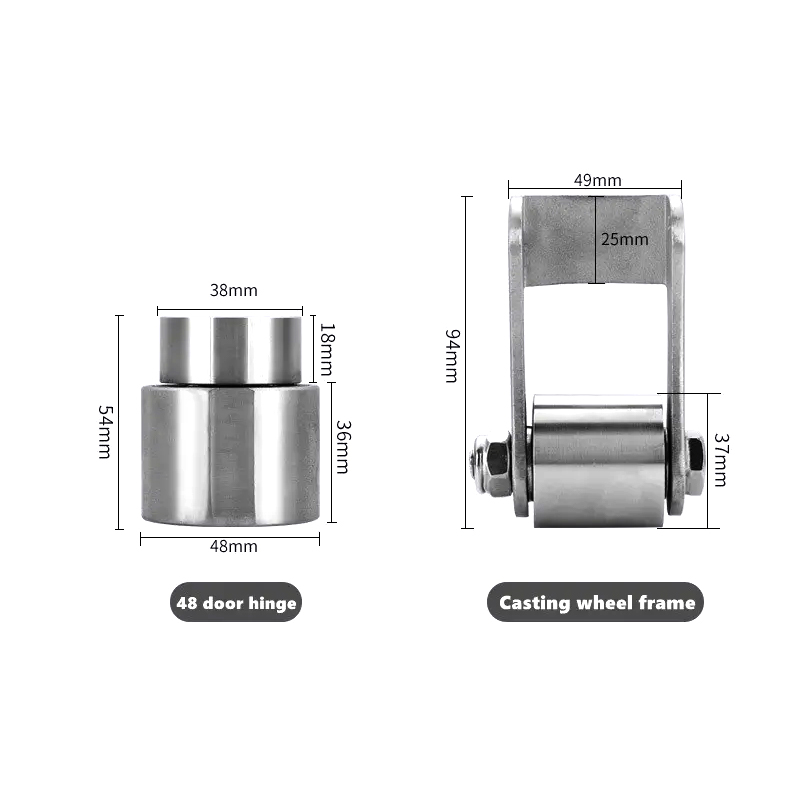
When people source this kind of hinge, the conversation is usually quite practical.Cost is always there, especially for bulk orders. But most buyers won't choose purely based on price—they're thinking about how long it will last in real operation.Load handling is another thing. Depending on the machine, the hinge might need to support repeated movement or hold weight while rotating. If it's under-designed, it usually shows up pretty quickly in the field.Environment is also worth thinking about. Heat, moisture, dust, or chemical exposure can all affect performance over time. That's where stainless steel versions make more sense.Shipping is another real-world detail. These are welded parts, so if the packaging isn't solid, they can get slightly bent during transport. That's enough to cause alignment issues during installation.And then there's customization. Not every project uses the same size or bracket shape. Some need small adjustments, others need fully custom drawings. That's very normal in this product category.
Wholesale and Custom Options
In most B2B cases, these hinges are not bought one by one—they're ordered in batches, sometimes for ongoing supply.
A supplier can usually adjust things like:
- Bracket size and thickness
- Bearing type or specification
- Carbon steel or stainless steel options
- Welded or semi-assembled structures
- Surface finishing for corrosion resistance
- OEM / ODM production based on drawings
- Logo marking or private labeling
- Custom packaging for export or resale
Some customers also care about how they're packed—how many per carton, how they're protected, and how easy they are to store or ship later. These small details can make a difference when you're handling large volumes.
For distributors and importers, this flexibility is often what makes a supplier workable long-term. Not just the product itself, but how easily it can be adjusted to different orders.
Conclusion
A flexible bearings brackets welded bearing hinge is not a complicated product, but it does a steady job in industrial systems where movement and load both exist.If it's made properly, it just works in the background without much attention. If it's not, issues show up pretty quickly in the field.For buyers, the main points stay pretty simple: stable material, solid welding, predictable performance, and the ability to customize when needed. In many cases, choosing Stainless Steel Bearing Hinges is less about specification sheets and more about avoiding maintenance trouble later.In the end, most B2B buyers just want something that fits, installs without drama, and keeps working.

 English
 русский
 Español