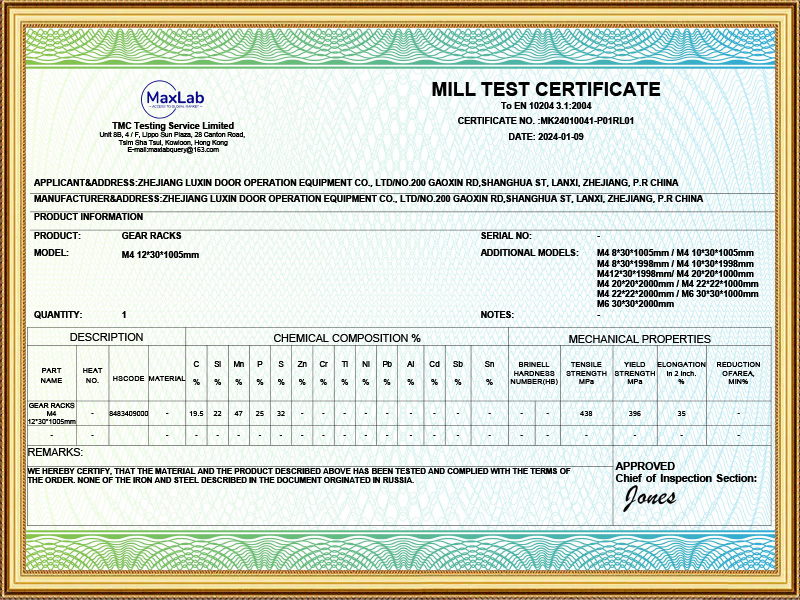
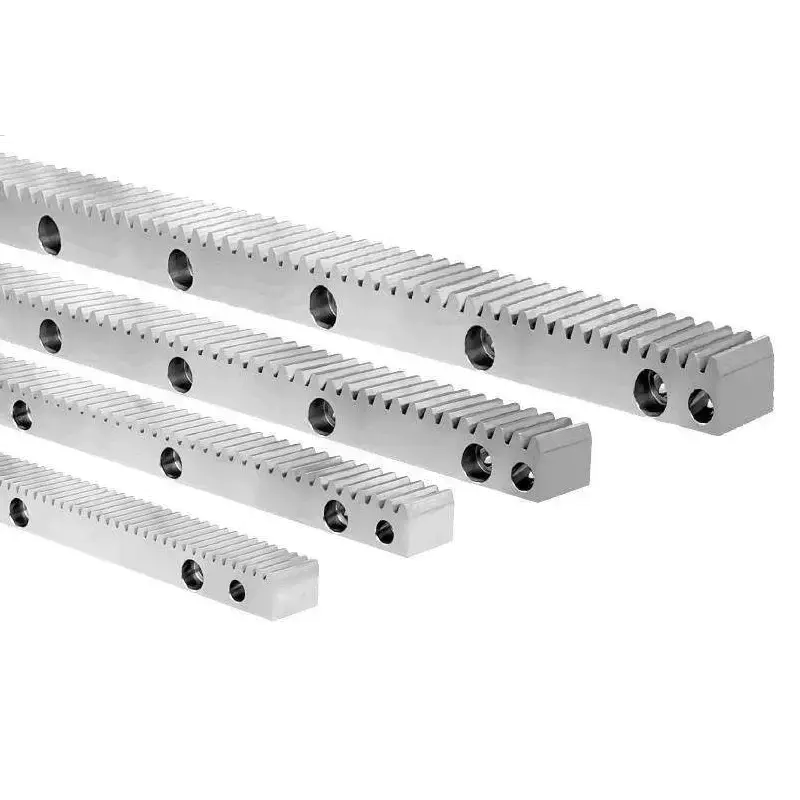
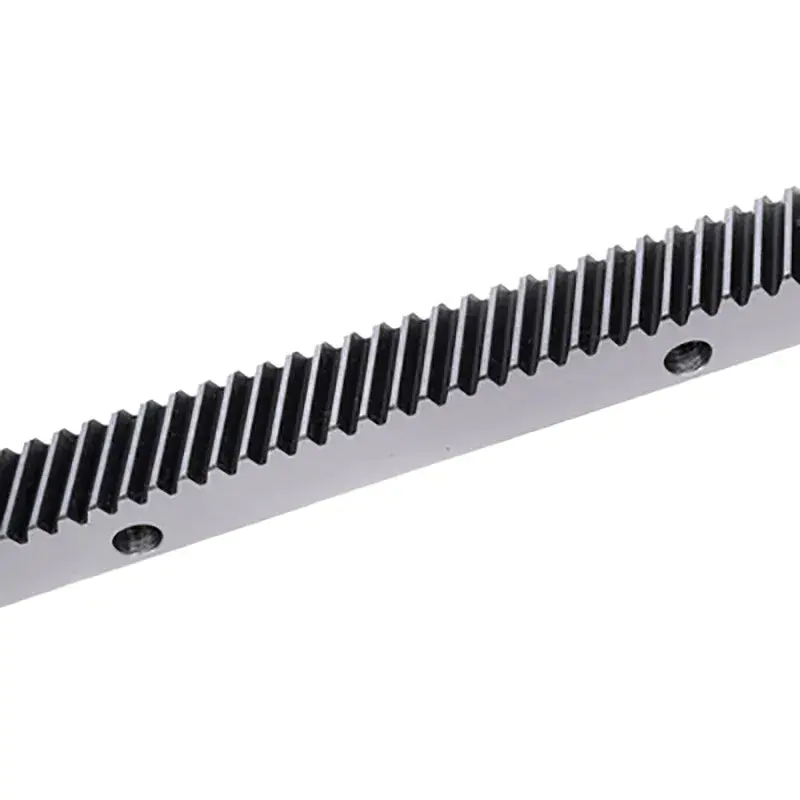
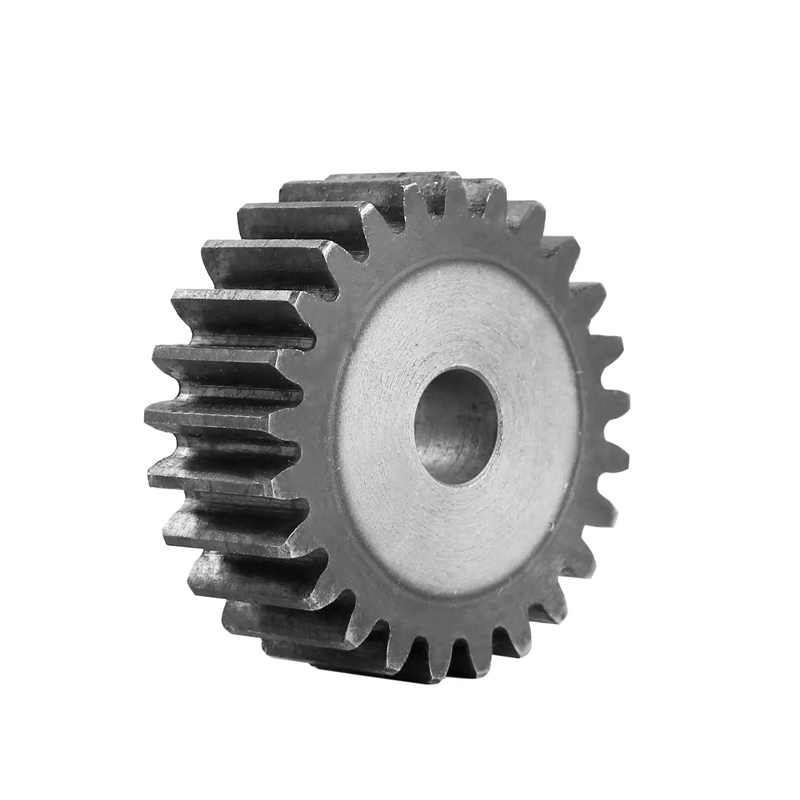
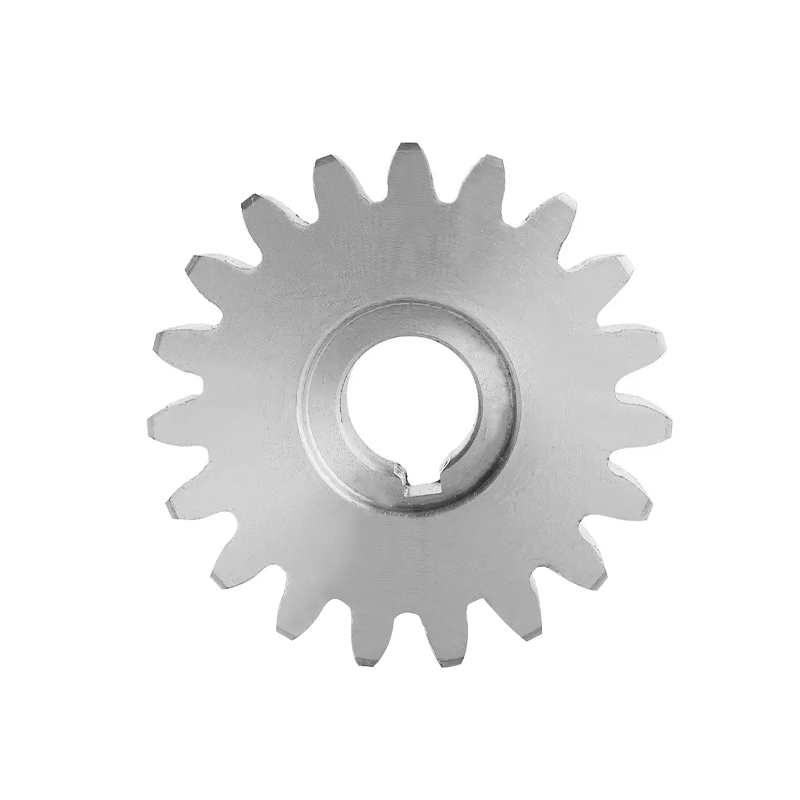
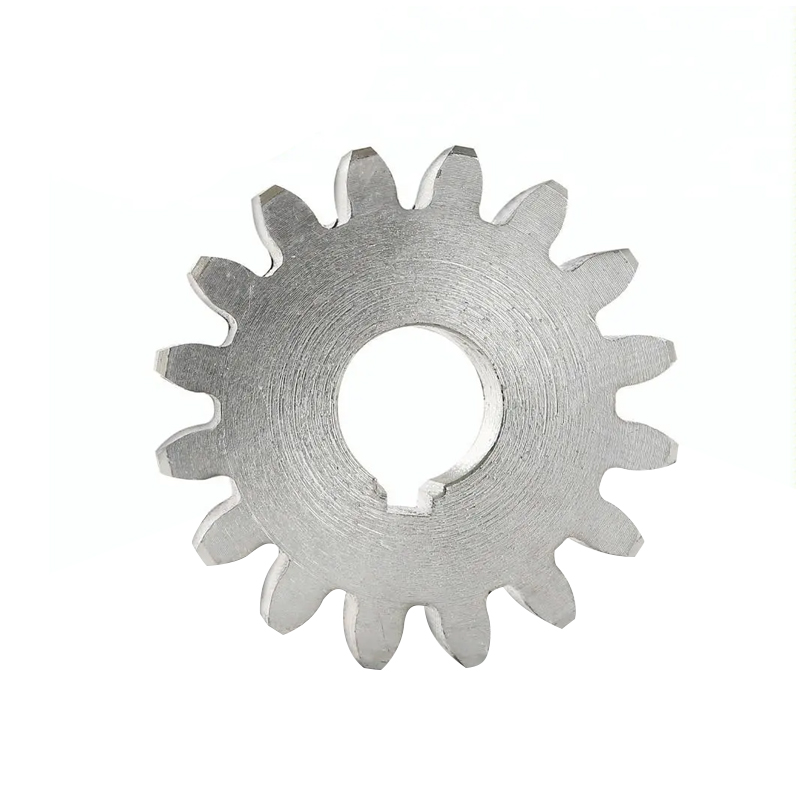
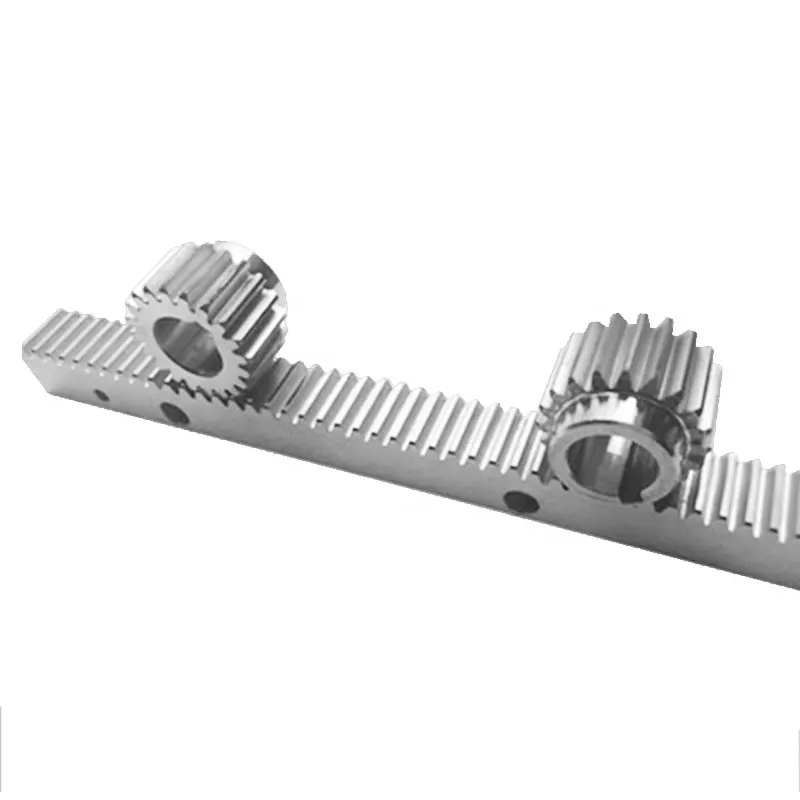
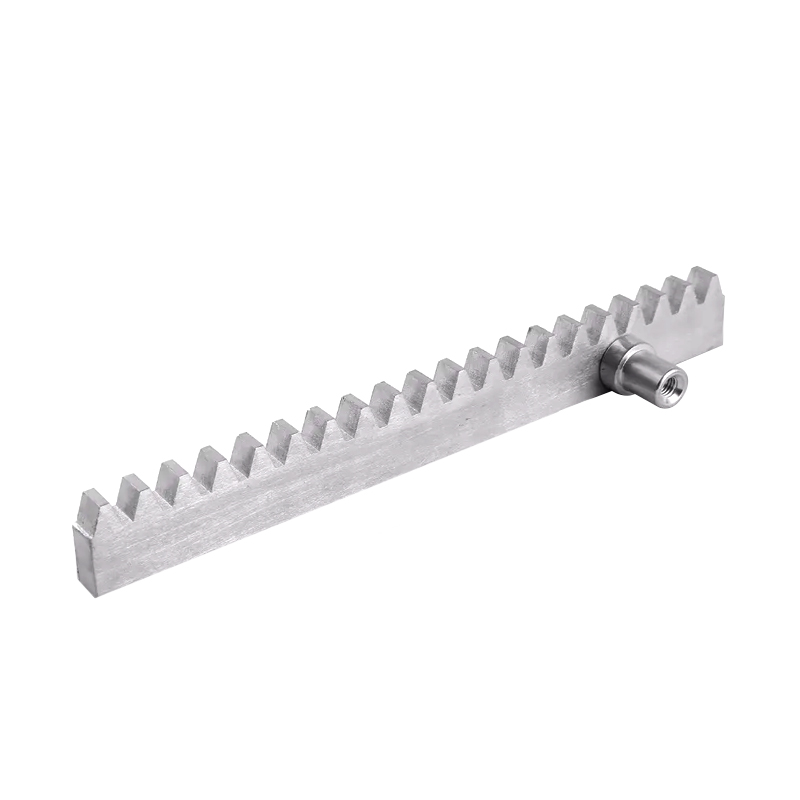
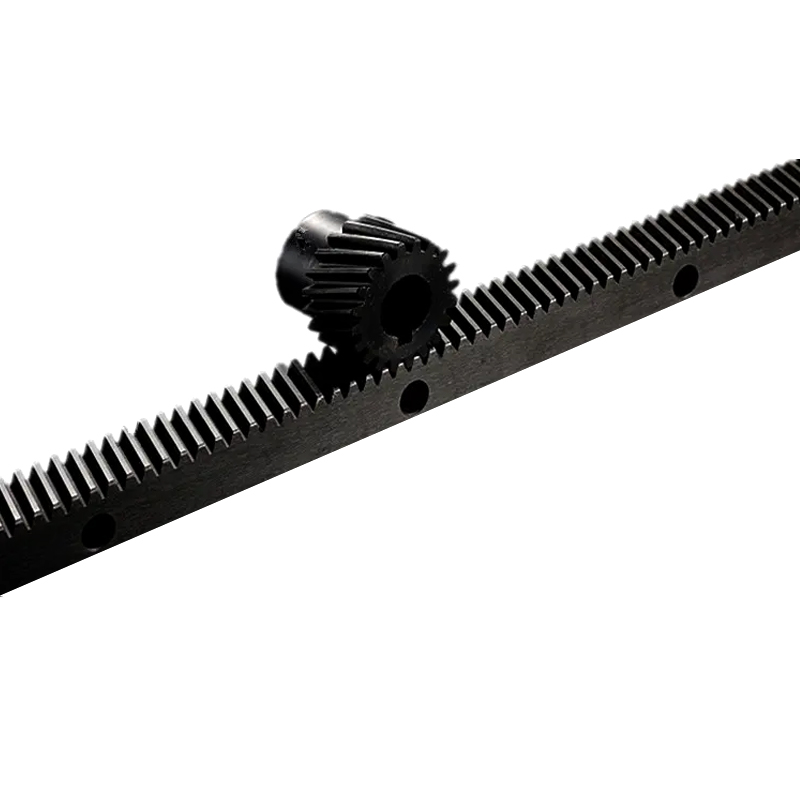
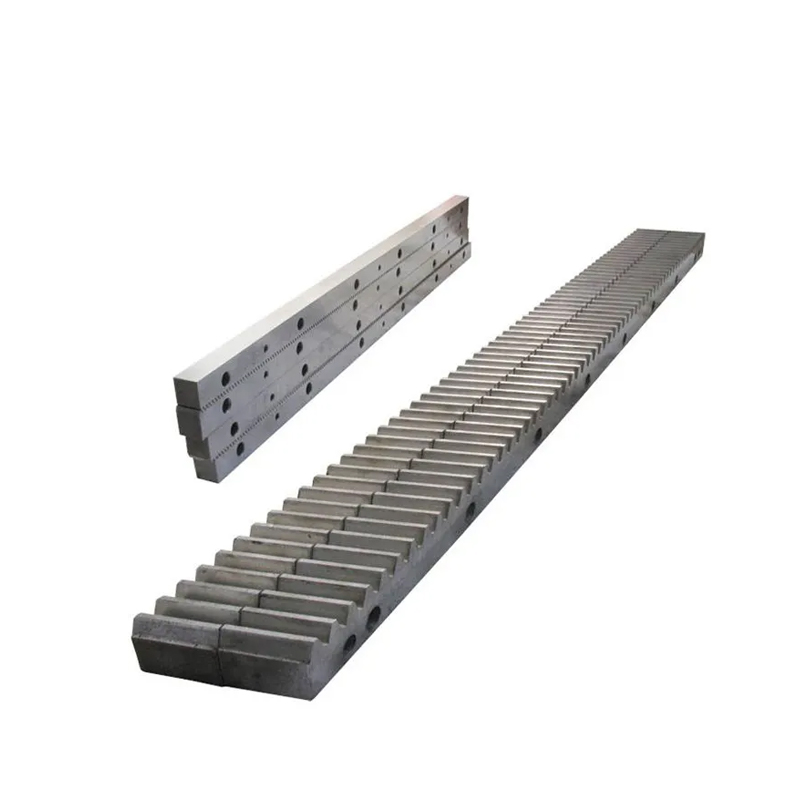
What this nylon gear rack actually is
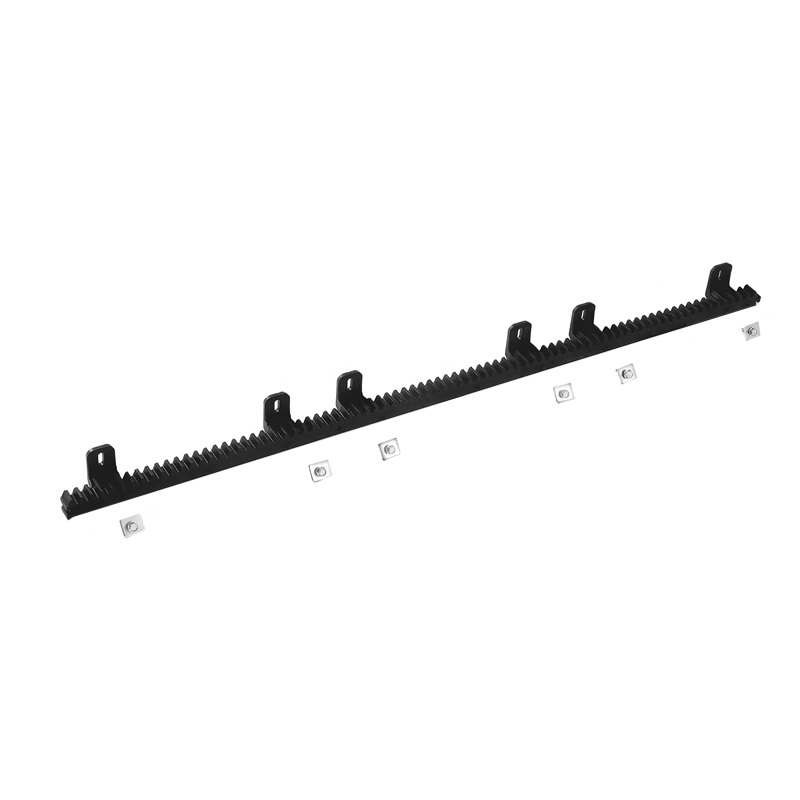
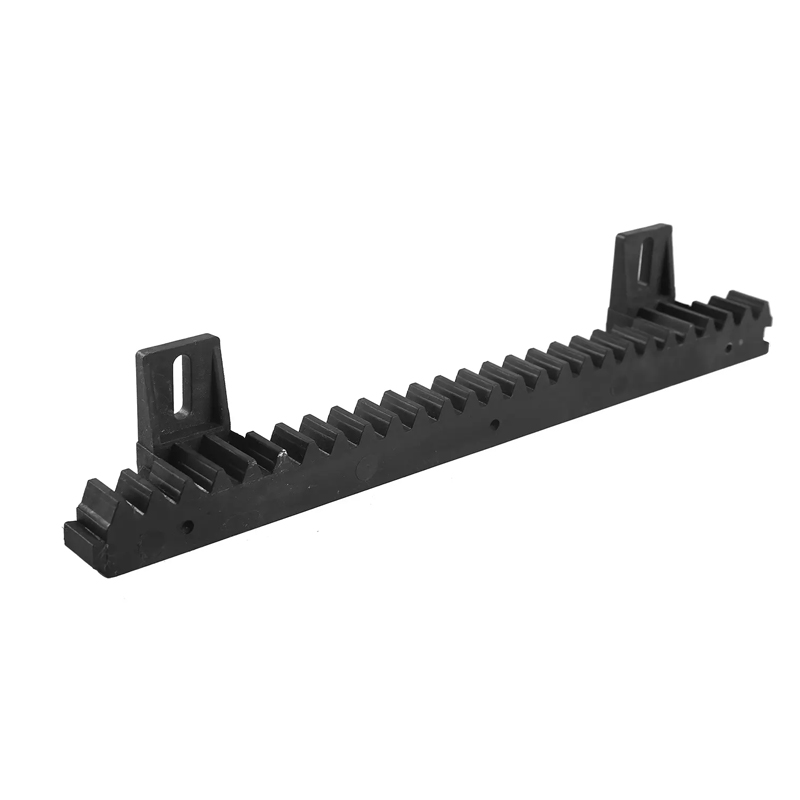
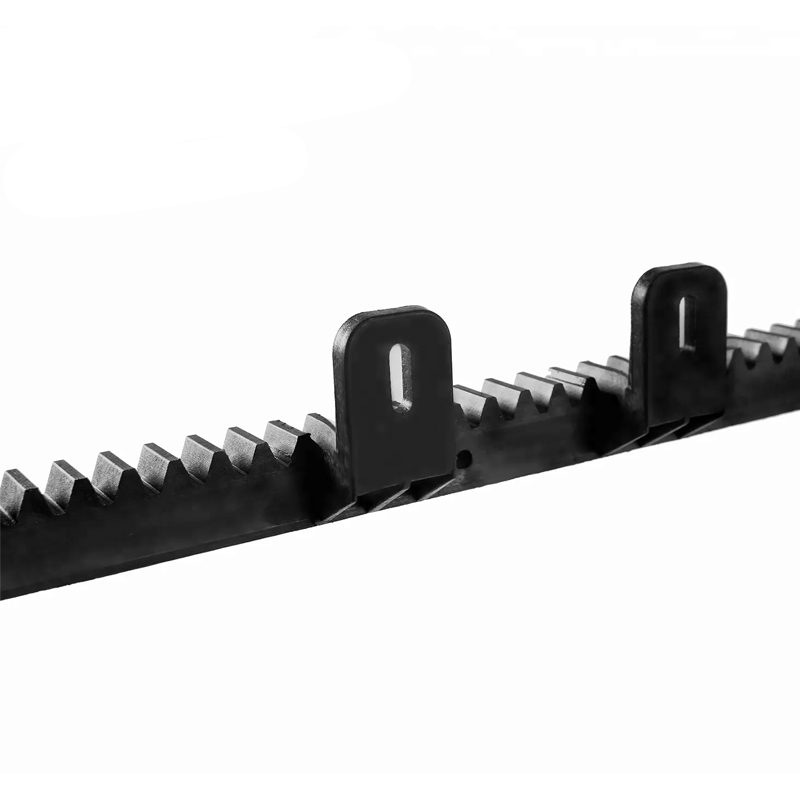
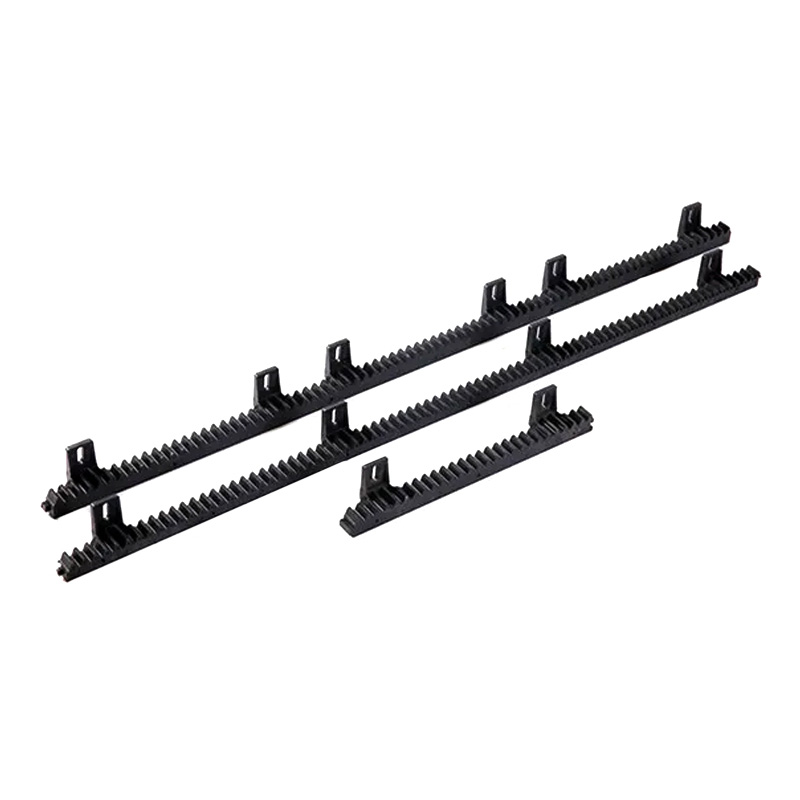
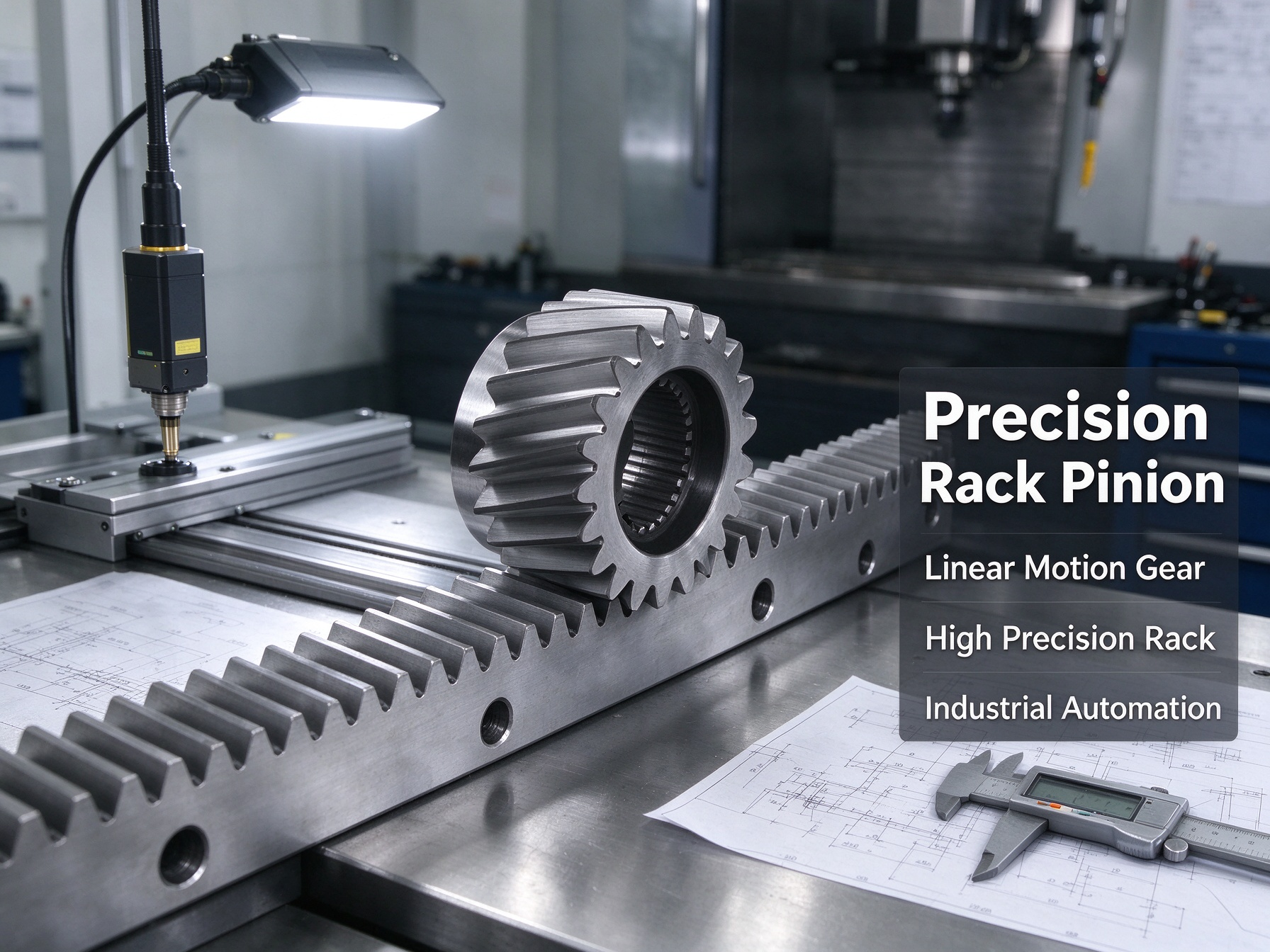
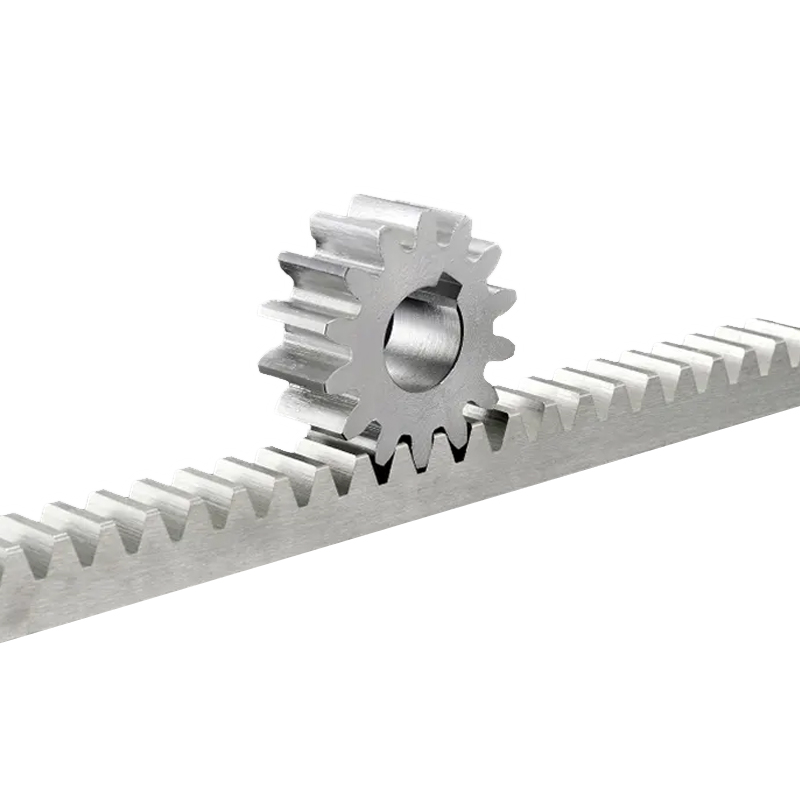
A High precision durable sliding door nylon gear rack is basically a simple but important transmission part used in sliding systems. It works together with a gear (pinion) to turn rotating movement into straight-line motion, so doors or panels can slide open and close smoothly.If you've seen an automatic sliding door or a light industrial sliding setup, there's a good chance a Nylon Gear Rack like this is working behind the scenes. Compared with metal racks, nylon versions tend to run quieter and feel smoother, which is why many engineers choose them for indoor systems or light-to-medium duty equipment.From a buyer's point of view, it's not a complicated product, but it plays a key role in keeping movement stable and consistent over time.
Materials used and where they come from
Most Nylon Gear Rack products are made from engineering plastics like PA6 or PA66. These are standard industrial nylon materials that you'll see in a lot of mechanical parts.Sometimes, glass fiber is added into the mix. It's not just for show—it actually helps the rack hold its shape better, especially when there's continuous movement or load pressure over time.The raw nylon resin usually comes from established chemical suppliers. Before it goes into production, it's checked for things like moisture level and strength consistency. These small details matter more than people think, especially when the rack is used in export machinery or long-term installations.
How it's made in simple terms
The production process is not overly complicated, but it does require control at each step.
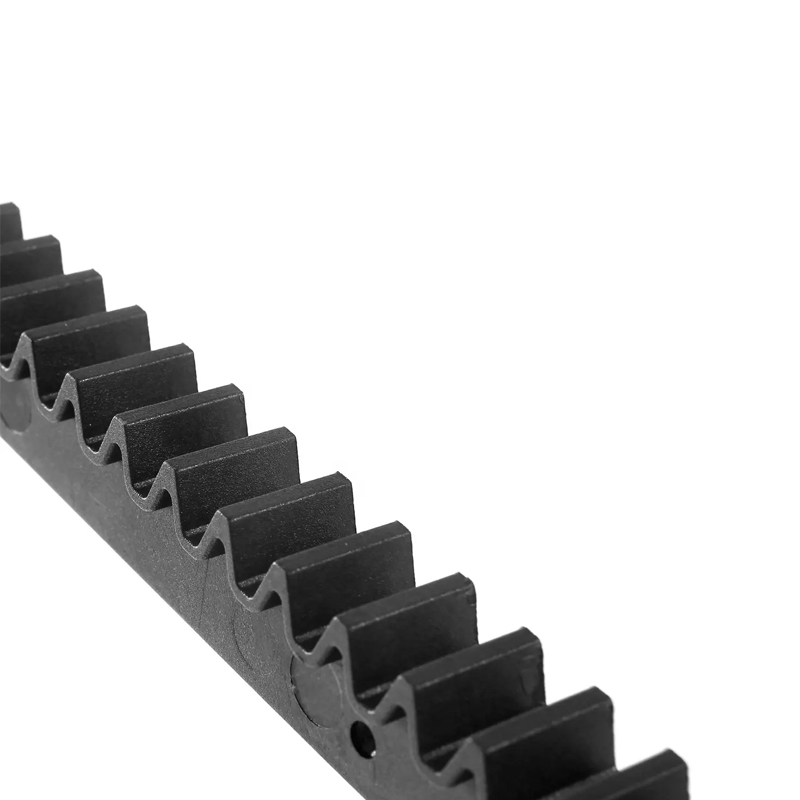
First, the nylon material is heated and formed through injection molding or extrusion, depending on the design. This gives the basic shape of the gear rack.After that, the teeth are refined to make sure the spacing and alignment are accurate. This step is important because even a small deviation can affect how smoothly the system runs.Then the parts are cooled and stabilized. Some factories will also do extra finishing work to reduce stress in the material. Finally, everything gets checked—dimensions, tooth accuracy, and basic load performance.It's not a “high drama” manufacturing process, but precision is always in the details.
Where this gear rack is actually used
In real applications, a Nylon Gear Rack shows up in quite a few places.The most common one is sliding door systems—commercial buildings, warehouses, office entrances, and even some residential setups. People like it because it runs quietly and doesn't need heavy maintenance.In industrial settings, it's also used in light automation systems, conveyor adjustments, positioning equipment, and packaging machines. Basically anywhere you need controlled straight movement without too much noise or weight.For many OEM customers, it's a practical choice when steel feels like overkill but plastic alone isn't enough—you end up right in the middle with nylon.
What buyers usually care about
When people source a High precision durable sliding door nylon gear rack, they don't just look at the product itself—they think about the whole picture.Cost is always part of the conversation, especially for bulk orders. Nylon racks usually help keep budgets under control compared to metal alternatives.Heat resistance is another point. Standard nylon works fine in normal environments, but if the system runs in higher temperatures, reinforced versions might be needed.Shipping is surprisingly important too. Nylon is much lighter than steel, which helps reduce freight costs and makes bulk export easier to handle.Then there's customization. Buyers often ask for different lengths, tooth modules, mounting styles, or even simple branding like logos and packaging changes. Nothing unusual—just practical adjustments based on real project needs.
Wholesale and custom production options
For B2B buyers, sourcing a Nylon Gear Rack usually means choosing between standard sizes and custom orders.Standard specifications are often used for wholesale distribution. These are easier to stock and work well for fast-moving supply chains or resellers.On the other hand, OEM and ODM requests are quite common. That might include changes in size, structure, mounting design, or packaging. Some clients also want private labeling so the product fits their brand in local markets.In practice, flexibility matters a lot. Different projects have different requirements, and a good supply setup is usually the one that can handle both regular orders and custom adjustments without slowing things down.

 English
 русский
 Español